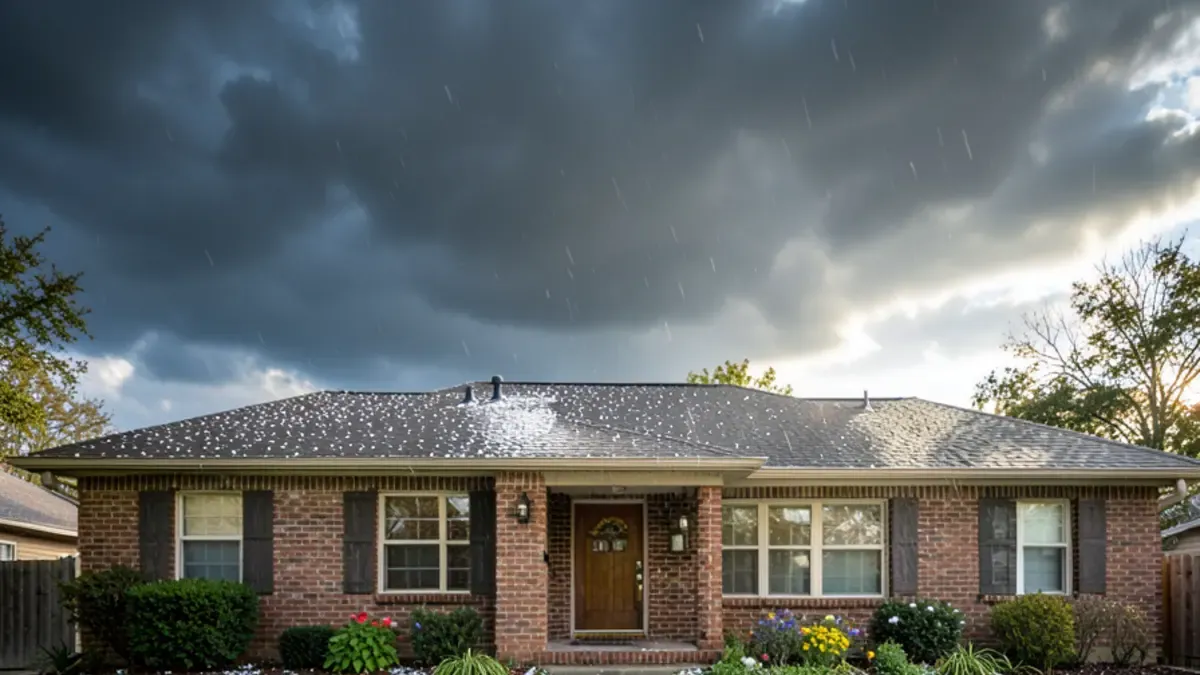
Knowing what to do after a hail storm hits your roof comes down to a short order of moves: stay off the ladder, write down the storm date, photograph what you can see from the yard, stop any active leak, and get a free roof inspection so your insurance call starts with evidence instead of guesses.
The hours after a hailstorm are loud with advice: neighbors comparing dents, door knockers with clipboards, and a phone full of weather alerts. Most of it can wait. A few things cannot, and doing them in the right order makes the rest of the process, from inspection to hail damage roof repair, much simpler.
The First Day: Safety, Leaks and the Storm Date
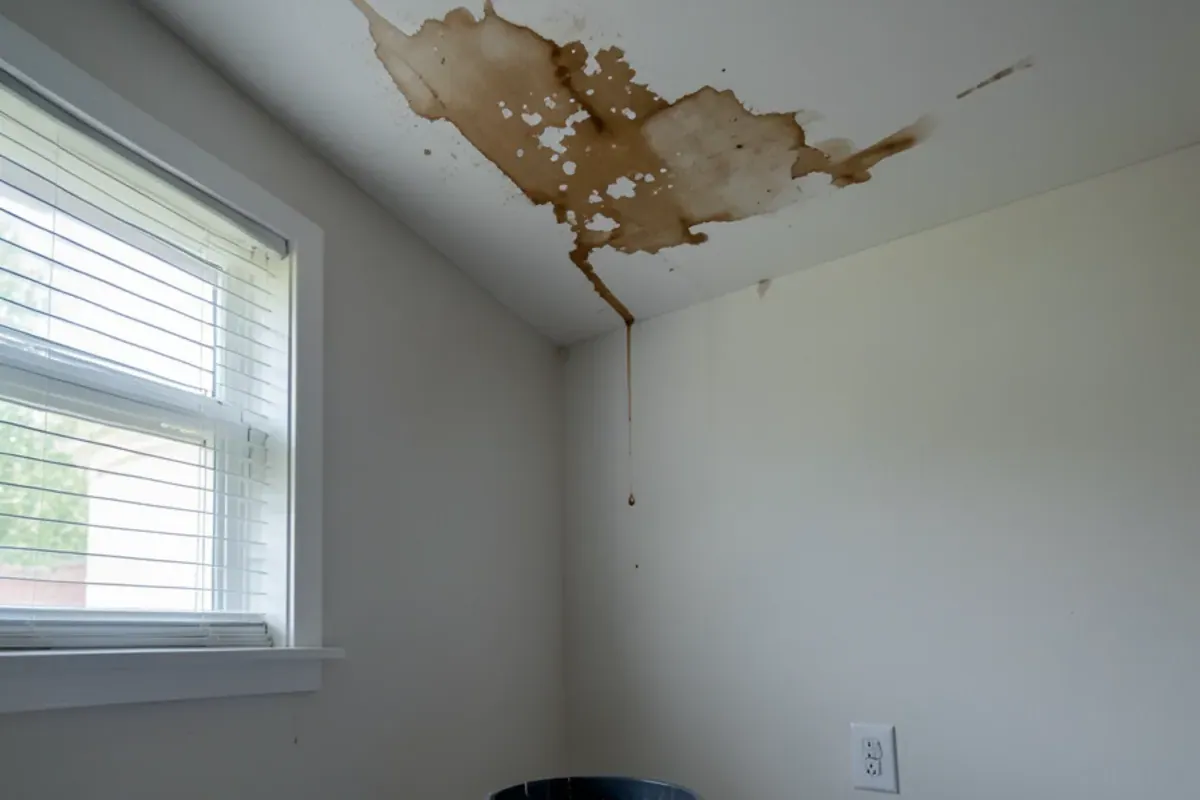
Start inside the house. Walk every room on the top floor and look at ceilings, especially around light fixtures, vent registers and the corners of exterior walls. If you find water, move furniture, set a bucket, and photograph the stain before you wipe anything. Check the attic only if you can stand on the joists safely.
Next, write the storm date and the approximate time on paper or in a phone note. Your insurer will ask for the date of loss, and in a spring when several storms roll through the metroplex in a few weeks, memories blur fast. The NOAA Storm Events Database records hail reports by county and date, so you can confirm it later.
Then step outside, but stay on the ground. Downed limbs, loose flashing and slick hail make the yard more hazardous than it looks.
Your Hail Storm Roof Checklist
Use this as a working list for the first few days. It covers what a homeowner can do safely and what to hand off.
| Task | Why it matters | Who handles it |
|---|---|---|
| Write down the storm date and time | Insurers ask for a date of loss | You |
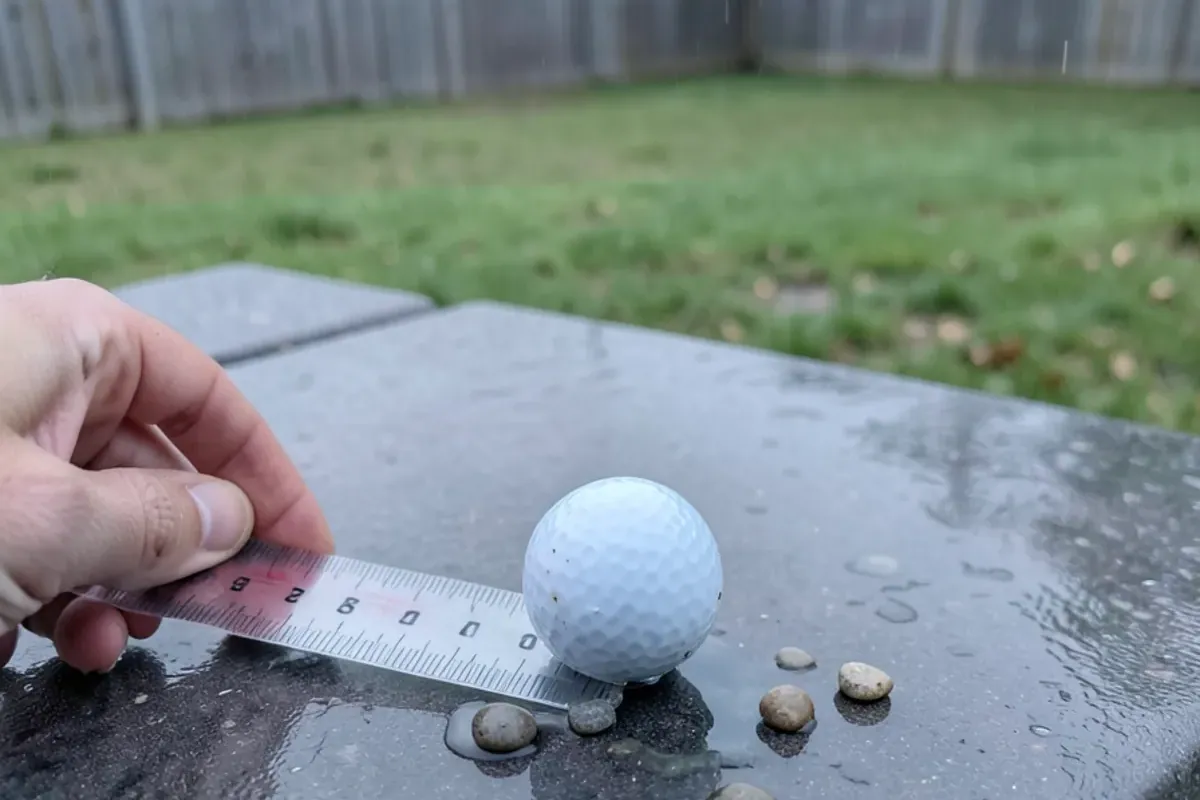
| Photograph hailstones next to a ruler or coin | Shows hail size for that storm | You |
| Photograph ceiling stains and wet insulation | Documents interior damage before it dries | You |
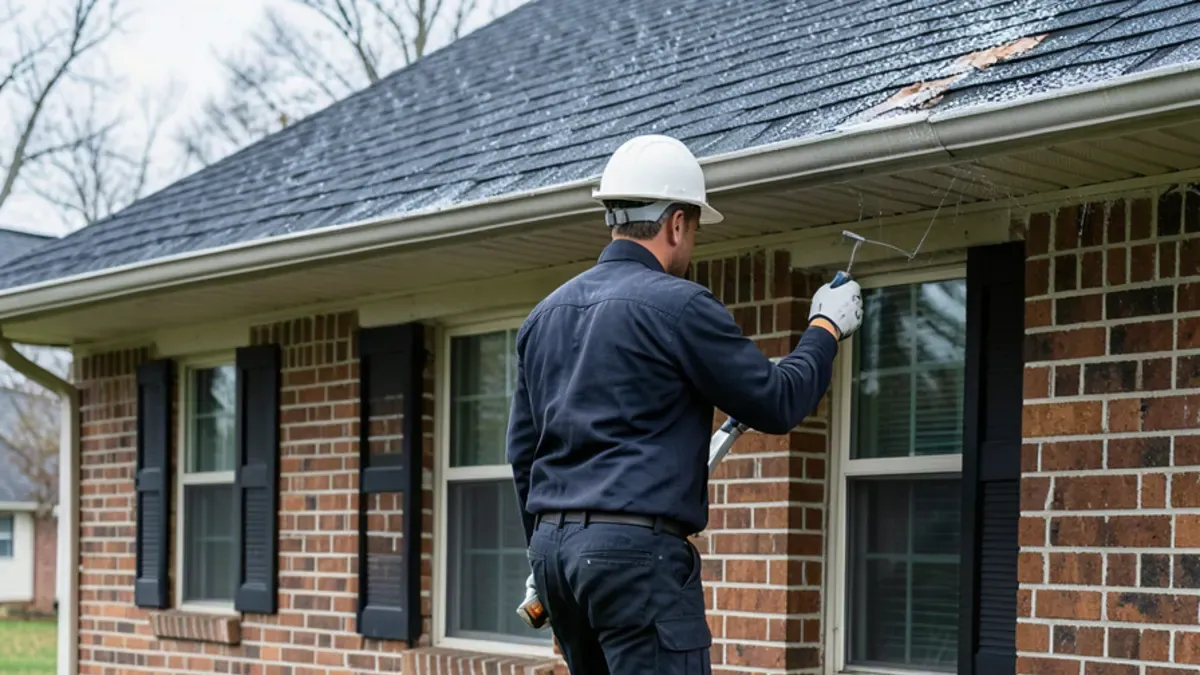
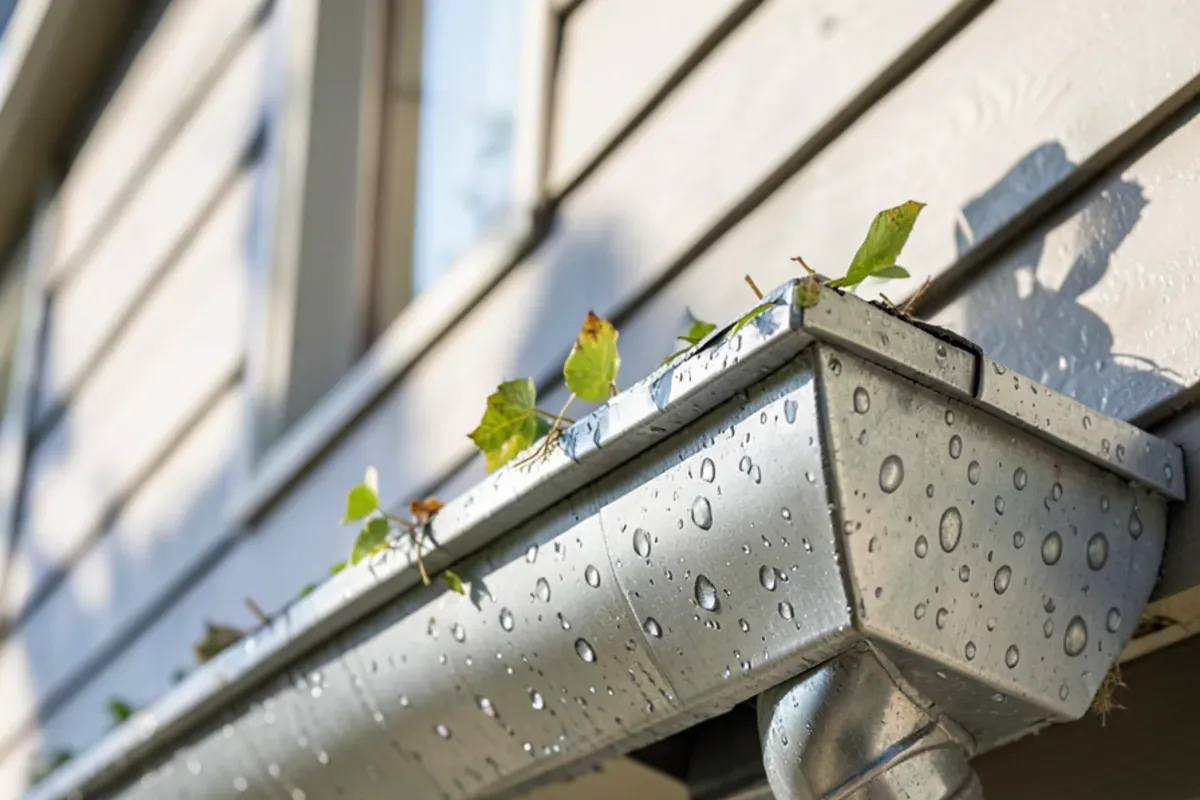
| Photograph dents on gutters, downspouts, AC fins and mailbox | Soft metal shows hail size and direction from the ground | You |
| Cover an active leak with a temporary fix | Your policy expects you to limit further damage | A roofer |
| Keep receipts for tarps or emergency work | Temporary repairs may be part of the claim | You |
| Schedule a free roof inspection | Confirms what is on the roof surface itself | A roofer |
| Report the claim and get a claim number | Starts the insurer's process | You |
Want a roofer to look at it?
Free inspection with photos. Se habla español.
- 5.0 on Google (33 reviews)
- Free inspections & estimates
- Se habla español
- Workmanship guaranteed in writing with every contract
Which Hail Damage Photos Help an Insurance Claim?
Good hail damage photos for insurance tell a simple story: this storm, this house, this damage. A few habits make them far more useful:
- Shoot wide, then close. Take one photo of the whole side of the house, then a close-up of each dent or stain. The wide shot proves where the close-up came from.
- Keep the original files. Do not crop or filter them. The timestamp and location data in the original photo help establish when it was taken.
- Show scale. A coin, tape measure or ruler beside a hailstone or dent gives the adjuster a size reference.
- Cover every side. Hail usually arrives on the wind, so the side facing the storm takes the most hits. Photograph all four elevations anyway.
- Include the small stuff. Torn window screens, chipped fence paint, cracked skylight domes and dented patio furniture all support the hail record.
When Should You Call Insurance After Hail?
There is no single right moment for everyone, but there is a wrong one: months later, after a second storm has muddied the evidence. If water is entering the house, call your insurer promptly and ask what temporary protection they expect. If the house is dry, many homeowners prefer to have the roof inspected first so they know whether the damage is real and likely above their deductible.
When you do call insurance after hail, have the storm date, your policy number and your photos ready. Write down the claim number, the adjuster's name when one is assigned, and the date of every conversation. Read the "duties after loss" section of your policy; reporting time limits differ between policies, and the Texas Department of Insurance is the place to ask if anything is unclear.
After Hail Damage: Steps for the Next Two Weeks
Once the house is dry and the date is written down, the work shifts from reacting to sorting out what the storm actually did. These after hail damage steps follow the order we see work best for Irving homeowners:
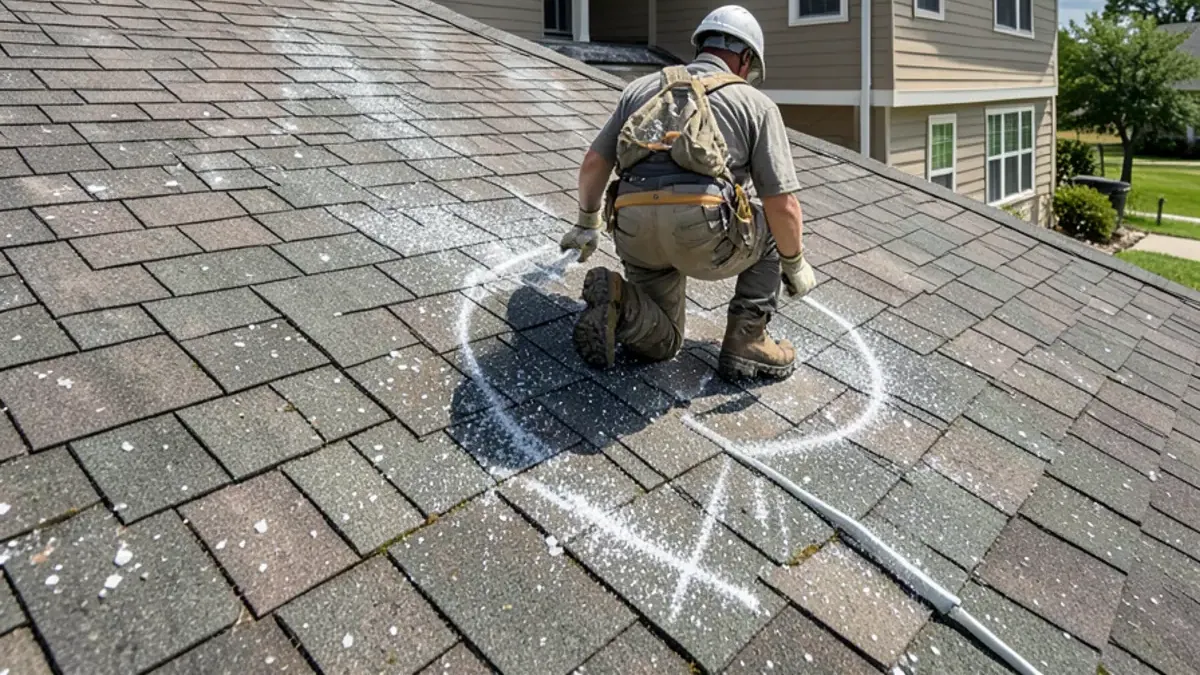
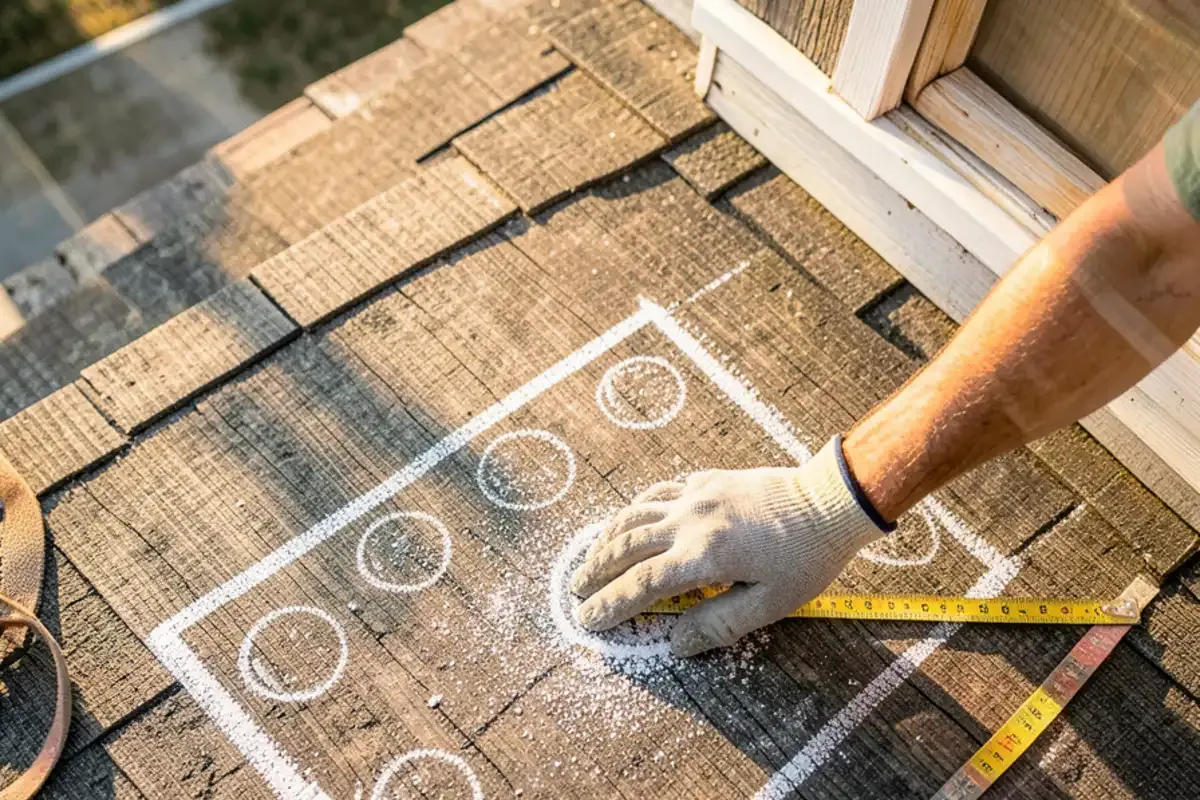
- Inspection within the first week. We walk each slope, chalk-circle hail hits inside test squares, check ridge caps, pipe boots, vents and flashing, and look at the decking from the attic side for daylight or damp spots. You get dated photos and a plain written summary.
- Decide whether to file. If the damage looks small compared with your wind/hail deductible, you may choose not to file. If it is clearly larger, report the claim and write down the claim number.
- The insurer responds. Under Texas Insurance Code Chapter 542, an insurer generally has 15 days after notice to acknowledge the claim and start its investigation, and 15 business days after it receives everything it asked for to accept or deny. When Texas regulators declare a weather catastrophe, those clocks may run longer.
- Adjuster visit. We can meet the adjuster on the roof and point out the hits and soft-metal dents we documented. The adjuster decides what the policy covers.
- Read the scope. Compare the insurer's line items with our findings. If something we photographed is missing, ask your insurer about it in writing.
- Permit and work. An Irving re-roof needs a city permit, while small fixes covering no more than 100 square feet skip it under the City of Irving's residential roof handout.
What We See on Irving Roofs After a Storm
Irving's housing stock shapes what a hailstorm does here. The median home in the city was built in 1986, and nearly a quarter of its housing units went up in the 1980s, according to Point2Homes. Many of those roofs are now on their second or third set of shingles, and older shingles lose flexibility in the Texas heat. When hail hits a brittle shingle, it tends to crack the mat instead of just denting the surface, and that damage can let water in before anyone notices a stain.
We also find that the first leak often shows up weeks after the storm, at a pipe boot or a cracked ridge cap, not in the field of the roof. That gap is why waiting is risky, and why we push owners to get the roof looked at while the storm is still fresh. Our free inspection covers the shingles, ridge, flashing, vents, pipe boots and gutters, and we photograph each finding so you have a record dated close to the storm. If you are just north of us, the same visit applies to homes in Coppell, where many two-story houses are too steep for a casual look.
There is an honest trade-off to keep in mind, too. Not every storm leaves damage that justifies a claim. Small hail often dents gutters and screens while leaving a newer architectural roof functionally sound, and when that is what we find, we say so. A claim that pays nothing still goes on your record. On the other side, a roof that looks fine from the street can hide cracked shingle mats that will fail within a year or two, and waiting until the next storm makes that harder to prove. Some policies also limit coverage for purely cosmetic dents on metal, so read your endorsements before you decide.
Moves That Can Hurt Your Claim
Some reactions feel productive but create problems later:
- Signing with the first door knocker. Read anything before you sign it. Texas law forbids a contractor from paying, waiving or rebating your deductible, so treat that offer as a warning sign.
- Throwing away damaged materials. Keep broken shingles, dented vent caps or a cracked skylight dome until the adjuster has seen them.
- Making permanent repairs right away. Temporary leak protection is expected; a full repair before the insurer inspects can leave nothing to evaluate.
- Waiting for the next storm to decide. Each new storm makes it harder to show which event caused which damage.
Get a Clear Answer About Your Roof
A calm, ordered response to hail protects your home and your claim. Document the storm, keep the house dry, and let a hail damage roof inspection tell you what is actually on the roof before you decide on next steps. As a roofing contractor in Irving, TX that works in Spanish and English, we can walk the roof, show you the photos and explain what we found. Call (725) 745-8803 to set up your free inspection. Si prefiere hablar en español sobre qué hacer después del granizo, pida atención en español cuando llame.
Questions readers ask
Should I call my insurance company or a roofer first after hail?
Is it safe to go up on my roof to look for hail damage?
What if I do not see any damage after the storm?
How long after hail can a roof start leaking?
Sources

Written by the RJ Premium Roofing team, a bilingual roofing contractor based in Irving, TX. We inspect, repair and replace roofs across Dallas–Fort Worth and document storm damage for homeowners’ insurance claims.