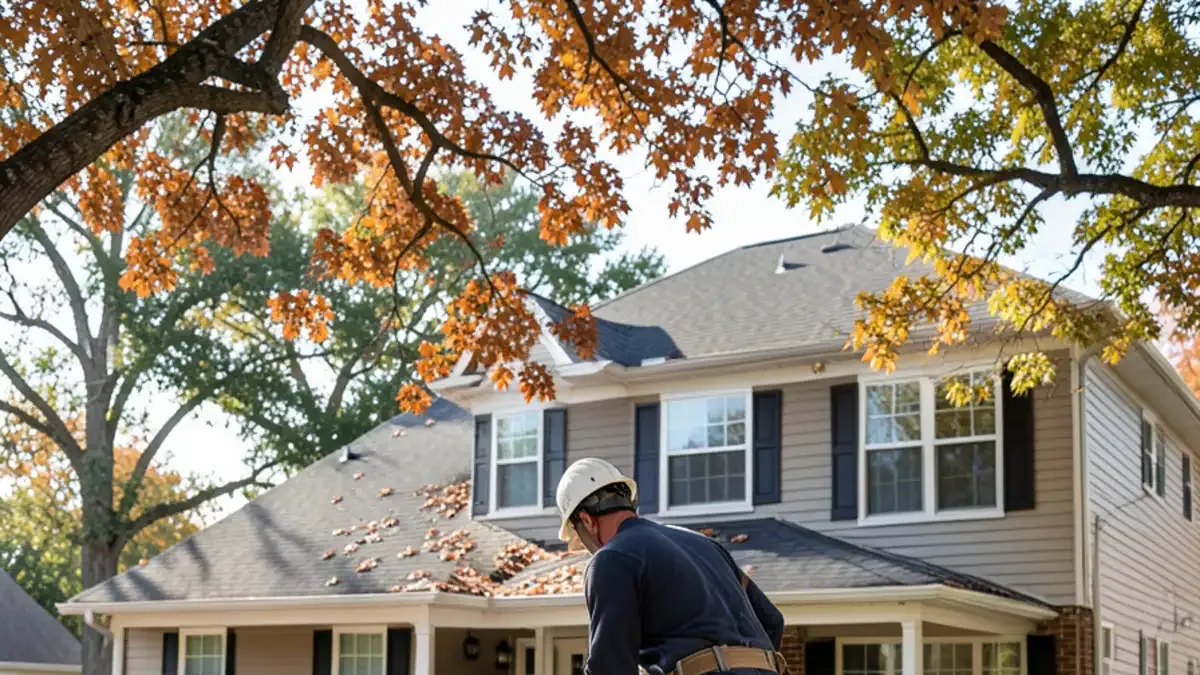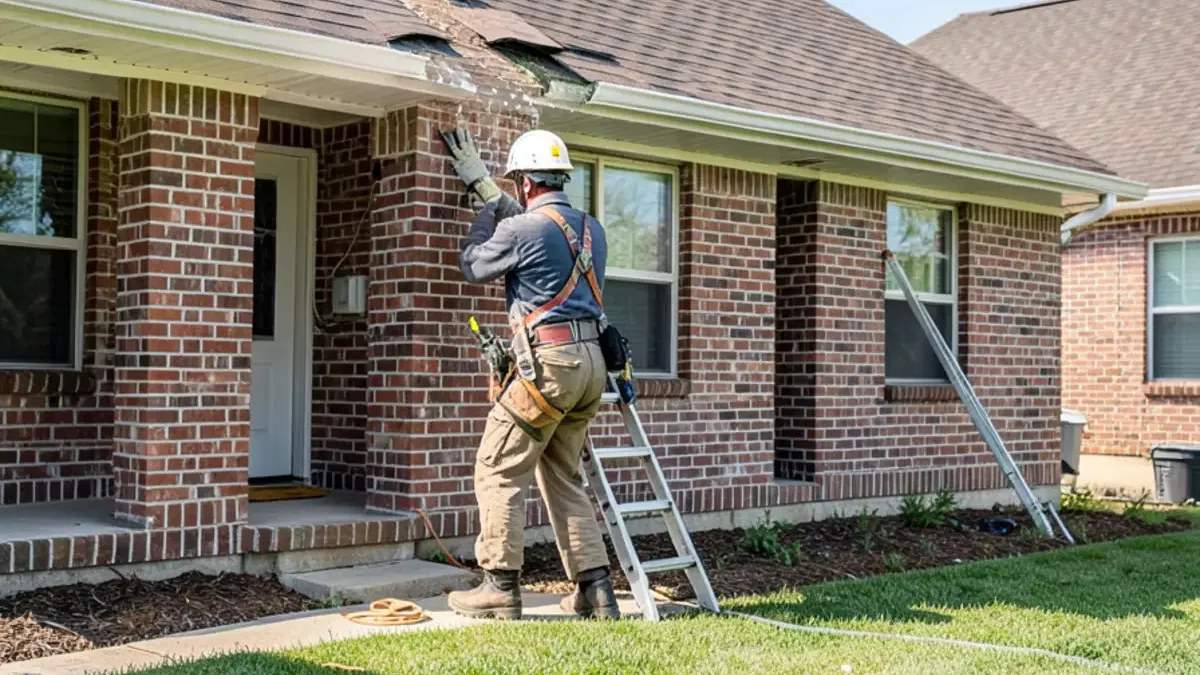
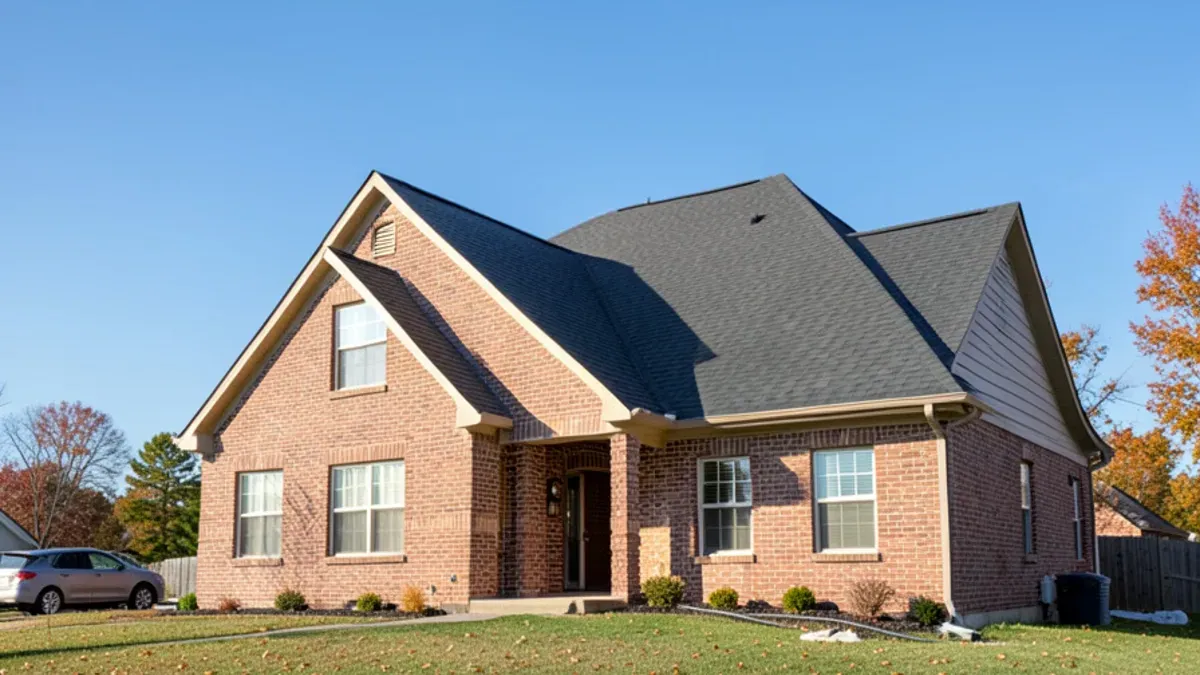
This roof maintenance checklist covers what an Irving homeowner should review once a year: shingles, pipe boots, flashing, gutters, the attic, and a dated set of photos for future insurance claims. Most of it can be done from the ground and the attic in an afternoon; anything on the roof surface belongs to a professional with fall protection.
A roof doesn't need much from you, but it does need attention once a year. Irving's homes lean older than many suburbs: Point2Homes counts 23% of its 102,512 housing units as 1980s construction, with a median build year of 1986. That means plenty of local houses have already been re-roofed once or twice, and the current roofs are old enough that small problems add up. This checklist is the routine we'd want every homeowner to run.
When to Run Your Yearly Roof Check
Do the full review once a year in late winter, before hail season, and a quick look after any major storm. Late winter has practical advantages: trees are bare, so you can see the roof and gutters clearly, and repairs get done before spring storms and May, usually Irving's rainiest month.
The Annual Roof Inspection Checklist
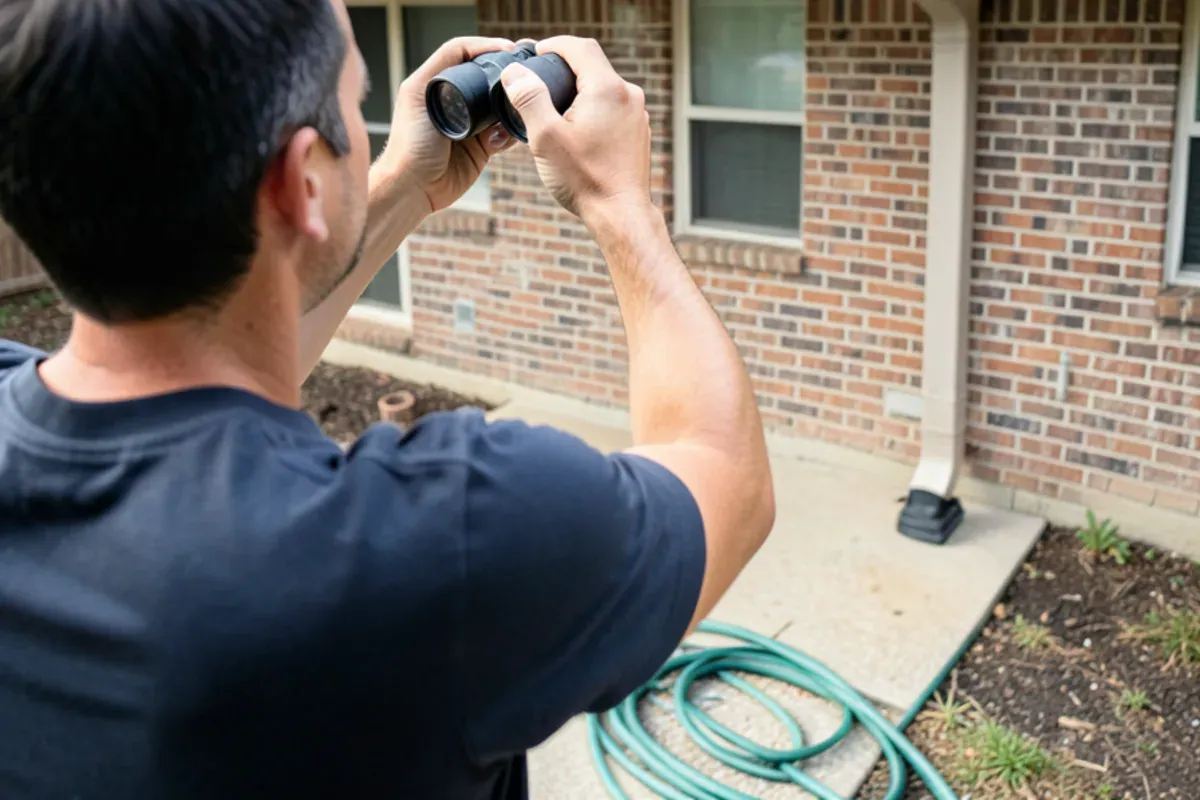
Work from the yard with binoculars or a zoomed phone camera, then from the attic. Check each line:
Shingles
- No missing, cracked or creased tabs
- Edges along rakes, eaves and ridges lying flat, not lifted
- No curling or cupping on sunny south and west slopes
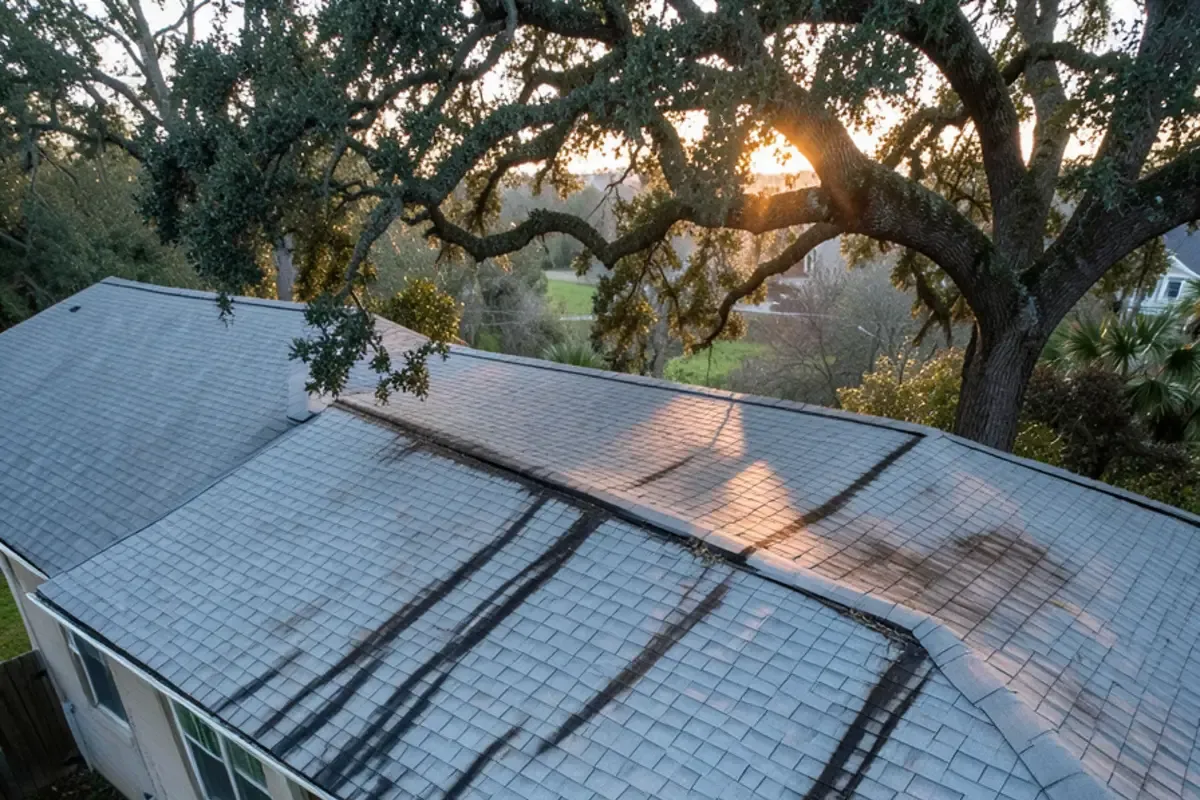
- Even color, without large dark patches from granule loss
Penetrations and flashing
- Rubber pipe boot collars intact, without cracks or gaps
- Vent caps and exhaust hoods secure and undented
- Chimney and wall flashing flat, with no lifted metal or thick, cracked caulk
- Kickout flashing present where roof lines end against a wall
Gutters and drainage
- Gutters clear and tight to the fascia
- Downspouts flowing, with water directed away from the foundation
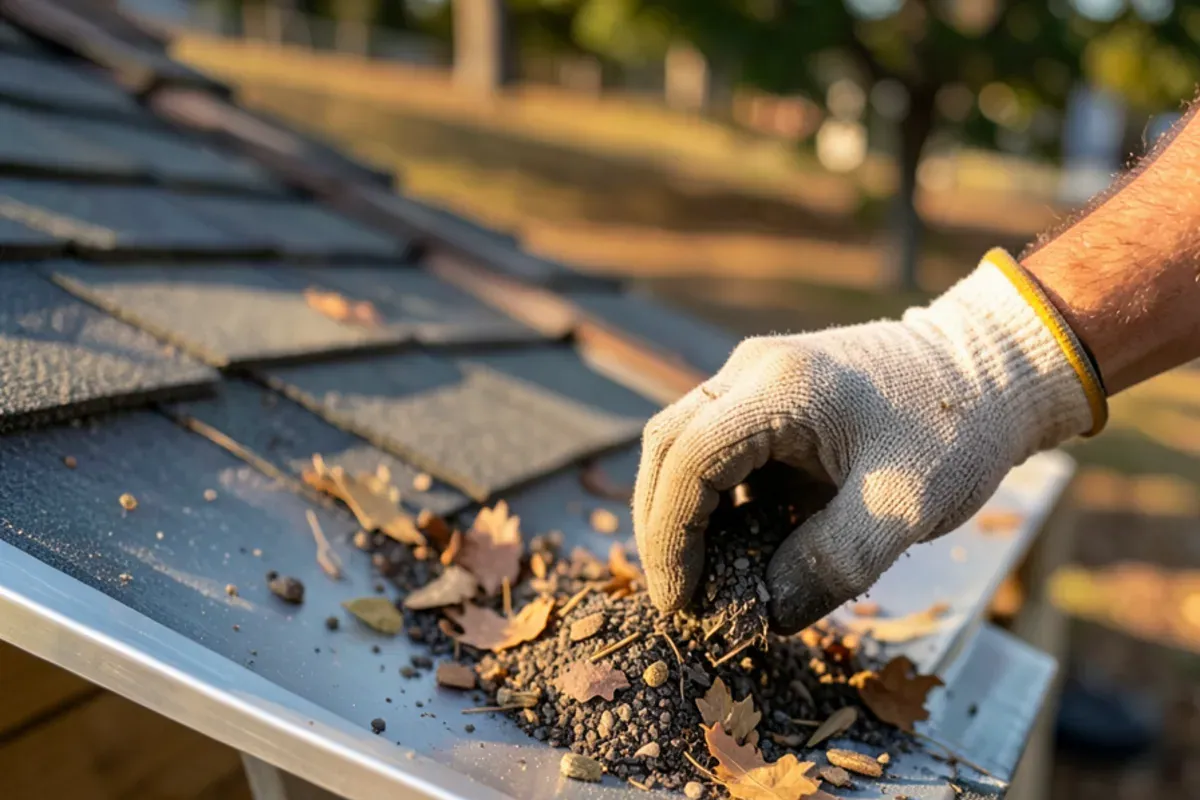
- Granule level in gutters noted (a little is normal; heavy buildup means wear)
Attic
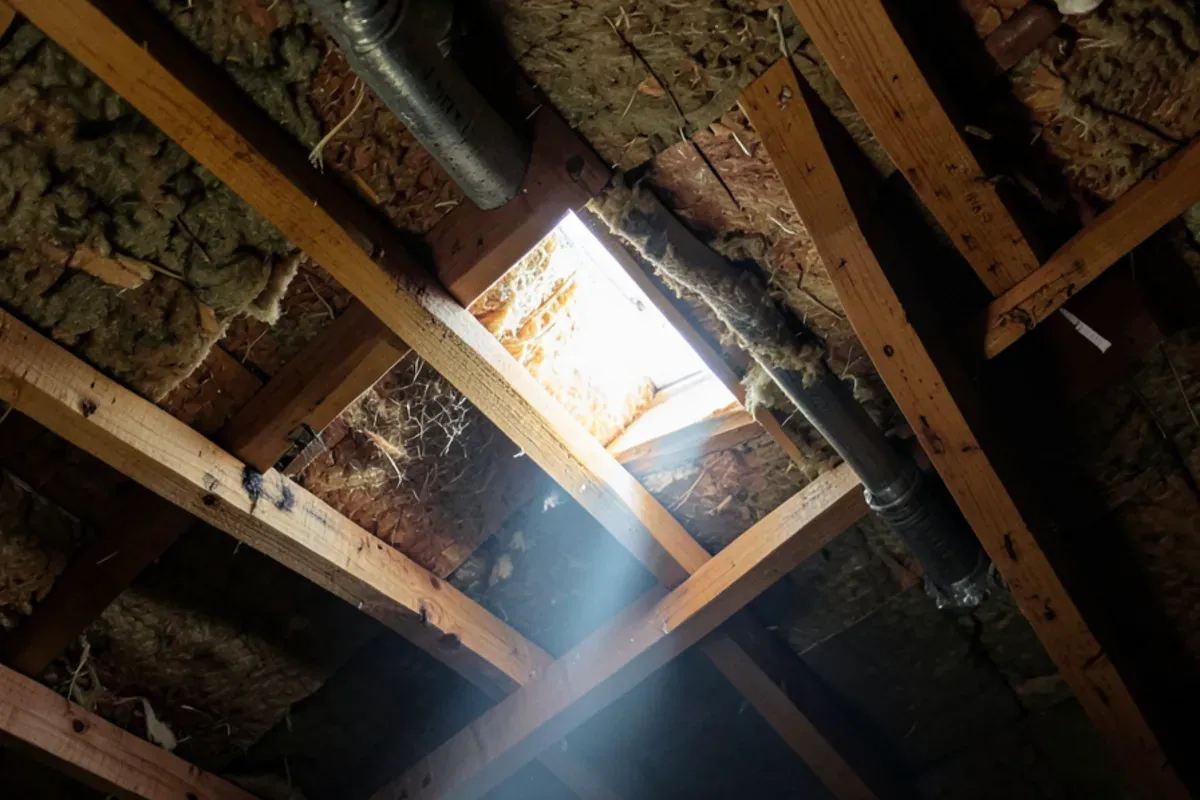
- Decking dry, with no new stains or dark rings around nails
- No daylight showing through the decking except at designed vents
- Soffit vents not blocked by insulation
- Insulation even and dry
Want a roofer to look at it?
Free inspection with photos. Se habla español.
- 5.0 on Google (33 reviews)
- Free inspections & estimates
- Se habla español
- Workmanship guaranteed in writing with every contract
Roof Upkeep Tips: What's DIY and What Isn't
| Task | Homeowner | Professional |
|---|---|---|
| Binocular check of shingles, boots and flashing | Yes | Yes, up close |
| Gutter cleaning from a stable ladder at the eave | Yes, carefully | Yes |
| Attic flashlight check | Yes | Yes |
| Trimming limbs over the roof | Hire an arborist | Arborist |
| Replacing pipe boots, resealing flashing | No | Yes |
| Re-securing lifted shingles | No | Yes |
| Walking the roof surface | No | Yes, with fall protection |
The line is simple: stay on the ground or in the attic. Roof surfaces in North Texas get slick with dew, pollen and loose granules, and ladders slip on soft spring soil.
Photos to Keep for Future Claims
The most overlooked part of home roof maintenance in Texas is documentation. Each year, after your check, take and save:
- Wide photos of every roof slope from the yard and street.
- Zoomed photos of boots, vents, chimney flashing and ridge caps.
- Gutter and downspout photos, especially any granule buildup.
- Attic photos showing dry decking and the underside of any problem area.
- A note of any repair done that year, with the invoice.
Store them in a cloud folder by year. If hail or wind damages the roof later, a dated before picture helps show your insurer what changed in the storm versus what was already there.
What a Professional Tune-Up Adds to Your Checklist
Your yard-and-attic review spots most changes. A roofer on the surface closes the gaps you cannot reach safely:
- Close-up shingle check. Hand-lifting edges to test the seal and looking for hail bruises too small to see from the yard.
- Fastener and nail-head check. Resealing exposed nail heads at ridges and vents, and re-nailing shingles that have backed out.
- Pipe boot replacement. Swapping a cracked rubber collar instead of smearing sealant over it.
- Flashing review. Checking step, counter and kickout flashing up close and resecuring loose pieces.
- Valley and debris clearing. Removing leaves and seed pods that hold water in valleys and behind chimneys.
- Ventilation check. Confirming intake and exhaust are balanced and soffit vents actually move air.
Each item should come back to you as a photo with a note, so next year's visit can compare the same spots.
What We Find on Irving Roofs During Tune-Ups
On a maintenance visit, the most common findings aren't dramatic. Cracked pipe boots top the list, followed by sealant at chimneys and walls that has dried and split, shingles along the rakes that have lost their seal, and gutters pulled loose at a corner. Each of those is small on its own. Left for two or three seasons, each is a decking repair.
Older homes add a few of their own: two layers of shingles where the top layer is wearing faster than expected, early-generation ridge vents, and step flashing that was bent and reused during a past re-roof. A yearly roof tune-up checklist catches those changes while they're still repairs.
Two honest limits are worth knowing. Sealant is a short-term fix in Texas sun; caulk at a chimney or wall typically cracks again within a few seasons, so where flashing has failed we would rather replace or reflash it than stack another bead on top. And maintenance slows wear but does not reverse it. A well-kept roof reaches the end of its natural life in better shape and with fewer surprises, yet a roof whose shingles are brittle on every slope will not be rescued by a tune-up, and we will tell you when a maintenance visit has stopped being good value.
Add a Short Late-Summer Look
The full checklist runs once a year, but a ten-minute pass in late August or September is worth adding. By then, the summer sun has done its work on rubber boots and sealant, and fall storms are on the way. Walk the yard with binoculars, look at the sunny slopes and every vent pipe, peek into the attic on a cool morning, and note anything that changed since your winter photos. If something looks different, that's the time to have it repaired, not after the first October downpour finds it.
Keep the Routine Going
Run the checklist yearly, take the photos and fix the small things early. If you'd rather have a pro do the roof-surface parts, our roof maintenance visits cover boots, flashing, edges and attic checks, and any needed roof repair is quoted in writing first. Our crews are local, working as a roofing contractor in Irving, TX every week, and we also maintain roofs for neighbors just north in Coppell. Mantenimiento del techo en español, cuando lo prefiera.
Ready for this year's check? Get in touch at (725) 745-8803, and we'll walk the roof, photograph everything and give you the photos to keep with your records.
Questions readers ask
What's the best time of year for roof maintenance in Irving?
Which parts of roof upkeep can I do myself?
Should I pressure wash my roof to clean off dark streaks?
Are shingle rejuvenator sprays worth buying?
Sources

Written by the RJ Premium Roofing team, a bilingual roofing contractor based in Irving, TX. We inspect, repair and replace roofs across Dallas–Fort Worth and document storm damage for homeowners’ insurance claims.