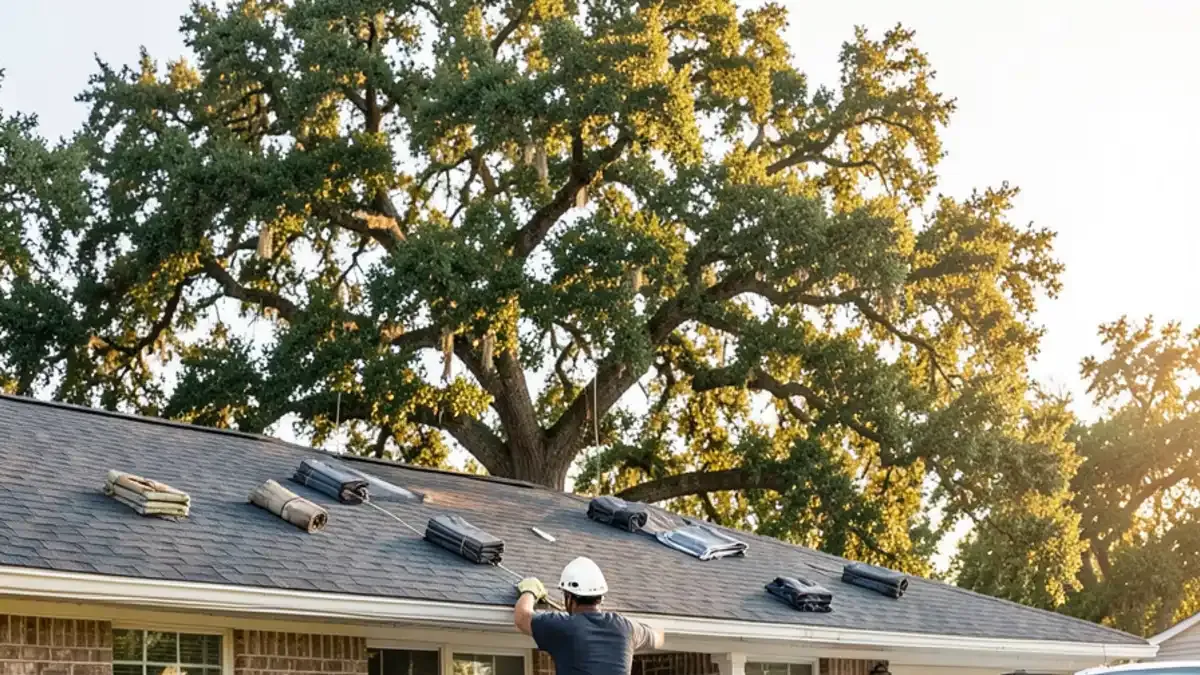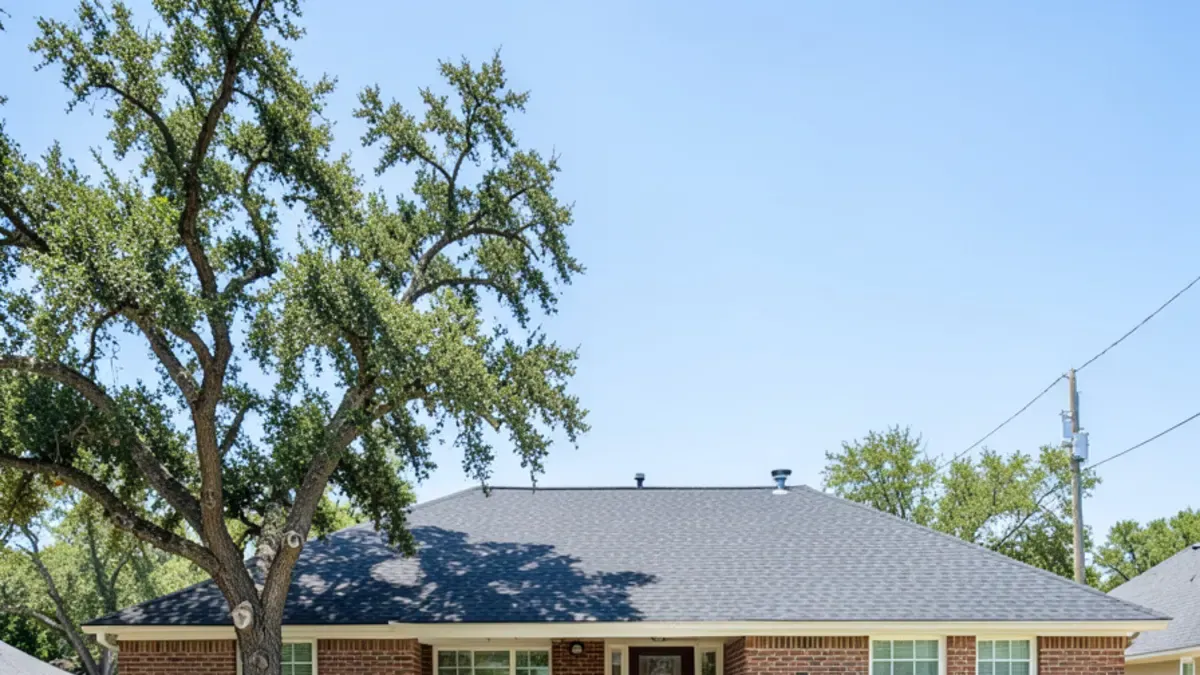
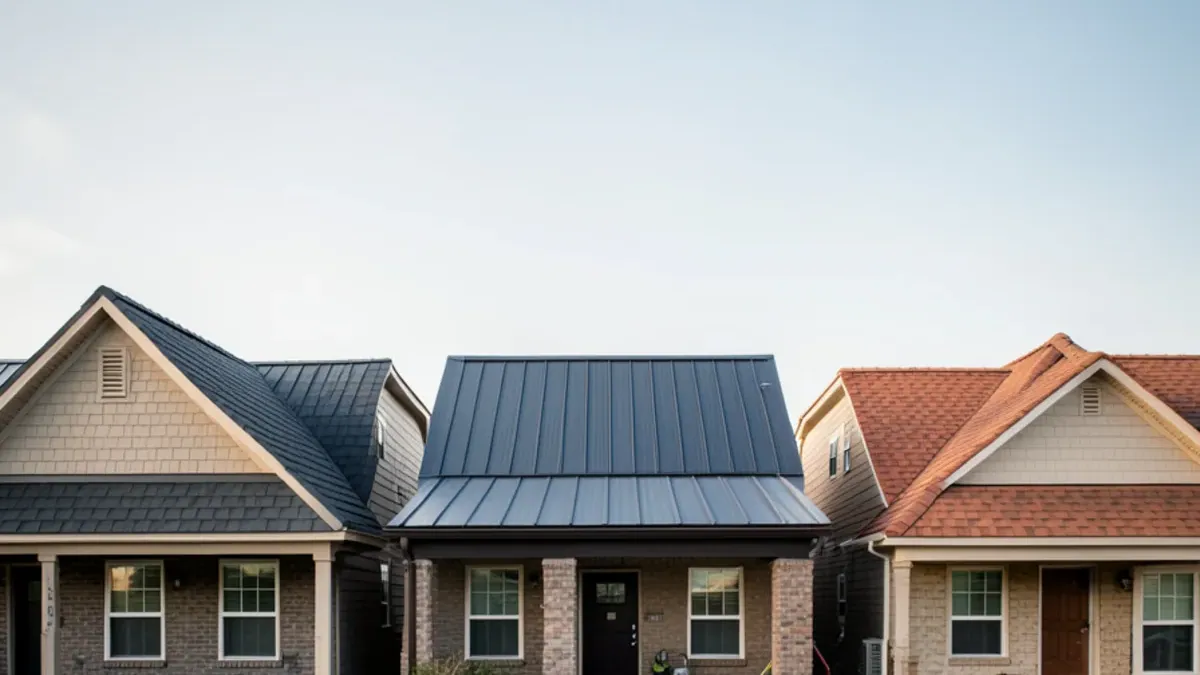
The best roof material for Texas depends on which threat you weigh most: hail, wind, heat or budget. For most DFW homes, impact-resistant architectural shingles balance cost and storm performance; standing seam metal lasts longer and sheds heat; tile looks right on certain houses but is heavy and can crack in hail.
Every roofing material sold in Texas is good at something. The question for a North Texas house is which weaknesses you can live with, because the same roof has to survive spring hail, summer heat and the odd winter storm.
What North Texas weather throws at a roof
Hail is the headline. The National Insurance Crime Bureau counted 637,977 hail claims in Texas from 2017 through 2019, and Dallas ranked among the top five U.S. cities with 25,262 claims. Storms like the 1995 Mayfest hailstorm in Fort Worth are why many DFW homeowners have replaced a roof more than once.
Heat comes next. A typical July afternoon in Irving tops out near 95°F, and the sun on a south-facing slope is relentless from June through September. Rain matters too: Irving averages roughly 33 to 37 inches a year, with May usually the wettest month, so flashing and underlayment get tested every spring.
Roofing materials for hail, wind and heat compared
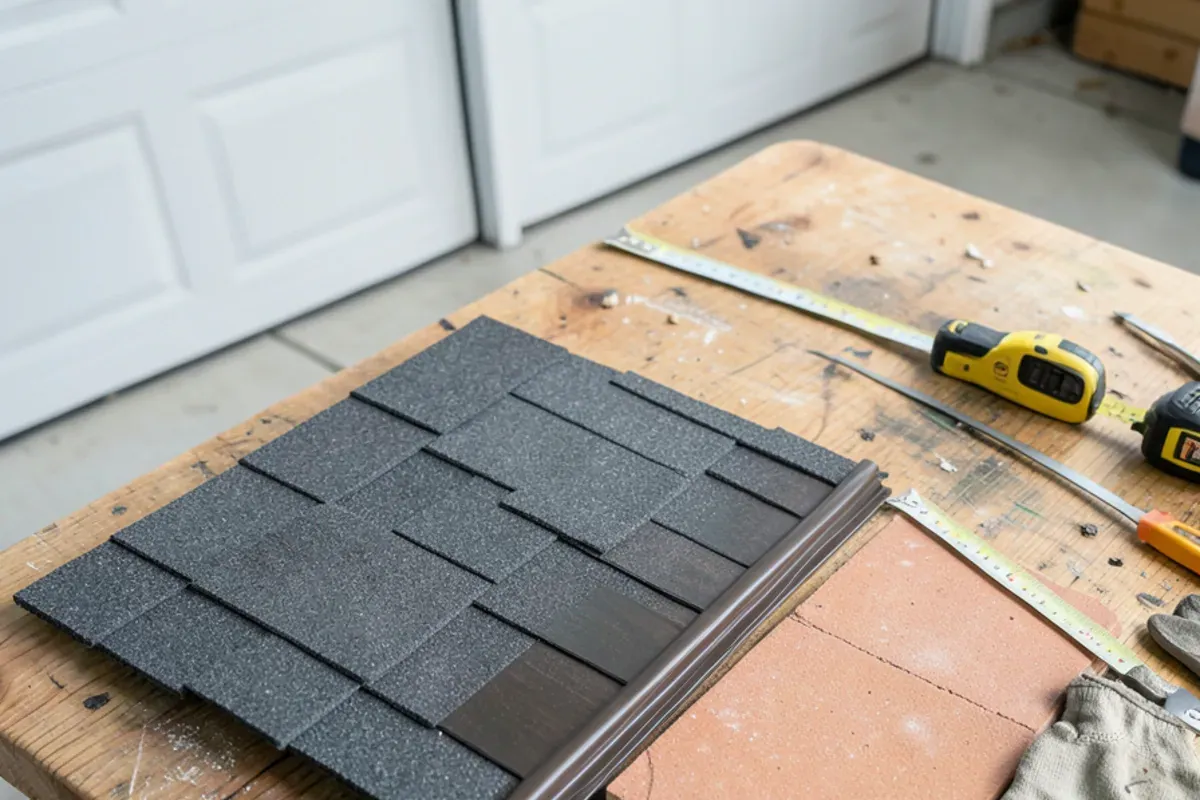
Here is how the common options respond to each threat:
- Standard architectural shingles handle wind well and cost the least of the long-lasting options. Large hail can bruise the mat and knock granules loose.
- Class 4 impact-resistant shingles look the same but are built to pass the UL 2218 test with a two-inch steel ball. They resist moderate hail far better, and many Texas insurers discount premiums for them.
- Standing seam metal does not crack or lose granules. Big hail can dent it, which is mostly cosmetic but matters if your policy excludes cosmetic damage. It reflects heat well, especially in lighter finishes.
- Concrete and clay tile last a long time and stay cooler than dark shingles, but individual tiles can crack under large hail or foot traffic, and the weight needs framing built for it.
Want a roofer to look at it?
Free inspection with photos. Se habla español.
- 5.0 on Google (33 reviews)
- Free inspections & estimates
- Se habla español
- Workmanship guaranteed in writing with every contract
Best shingles for Texas heat
If you stay with shingles, color and ventilation do more for heat than brand. Lighter colors and cool-rated shingles reflect more sunlight, so the attic runs cooler. The City of Irving's Chapter 8B code amendments reference cool-roof values (an SRI of 29 for steep-slope roofs and 78 for low-slope); ask the city whether those values apply to your project before you choose a color. Pair any shingle with balanced attic ventilation, or the heat will shorten its life no matter what the label says.
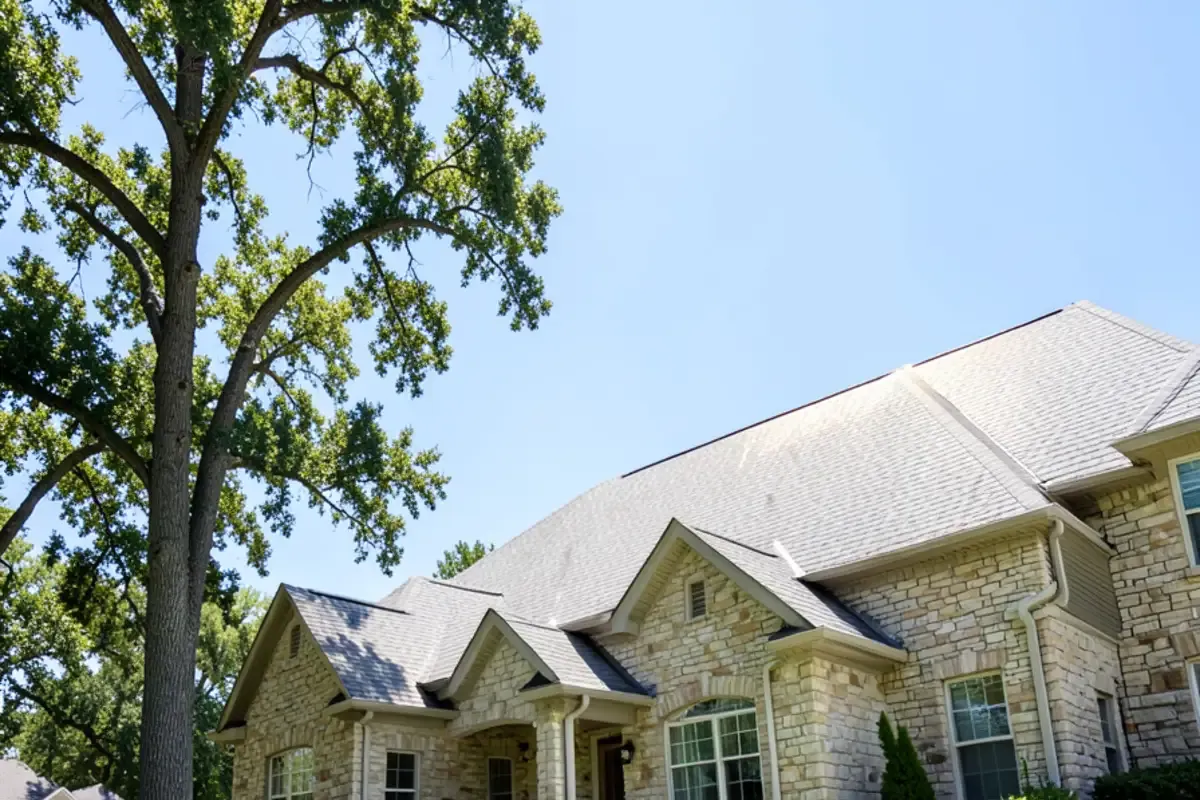
Roof material lifespan: what commonly cited ranges look like
These are the ranges you will see quoted across the industry, not promises. In DFW, a hailstorm often ends a roof's life well before age does.
| Material | Commonly cited service life | Hail behavior | Heat behavior | Weight |
|---|---|---|---|---|
| 3-tab shingles | 15 to 20 years | Most vulnerable | Absorbs heat | Light |
| Architectural shingles | 20 to 30 years | Bruises in large hail | Absorbs heat, lighter colors help | Light |
| Class 4 architectural | 20 to 30+ years | Resists moderate hail | Same as architectural | Light |
| Standing seam metal | 40 to 60+ years | Dents, rarely leaks | Reflects well | Light |
| Concrete or clay tile | 50+ years for tile, underlayment sooner | Tiles can crack | Stays cooler | Heavy |
So what is the best roof material for Texas homes?
For the average DFW house with a moderate pitch and a homeowner who plans to stay a while, we usually point to impact-resistant architectural shingles. They cost much less than metal or tile, look right on almost any style, and stand up to the hail sizes that hit most often. Metal makes sense when you want the longest life and are willing to pay for it up front. Tile fits Spanish, Mediterranean and some custom homes whose framing was designed for it.
In other words, el mejor material para techo en Texas is the one that fits your house, your budget and how long you will own it. Our residential roofing page explains how we install each option.
How to choose: questions that narrow it down
Comparing samples on a table only goes so far. These questions usually settle the choice faster:
- How long will you own the house? If you plan to sell in five to eight years, the higher cost of metal or tile rarely comes back to you. If this is the long-term home, a longer-lived roof starts to make sense.
- What is the roof pitch? Shingles need at least a 2:12 slope under the residential code, tile about 2.5:12, and standing seam metal can go lower. A low porch or addition may need a different system altogether.
- Can the framing take the weight? Moving from shingles to tile is a structural question first and a style question second.
- What does your HOA allow? Many DFW associations limit colors and sometimes materials, so get the approved list before choosing.
- What will your insurer do? Ask your agent two things: whether an impact-resistant roof lowers your premium, and whether a metal roof would carry a cosmetic damage exclusion.
Stone-coated steel and other look-alikes
Stone-coated steel panels are pressed to look like tile or shake and coated with granules. They weigh far less than real tile, which makes a tile look possible on houses framed for shingles, and many carry high impact ratings. Synthetic composite shingles also mimic slate or shake. With any of them, ask for the product's impact and wind test data rather than relying on the look. Our metal roofing page covers standing seam and stone-coated steel in more detail.
What holds up on the roofs we inspect
After storms, the pattern on the roofs we climb is consistent. Older 3-tab roofs lose shingles and show bruising first. Standard architectural roofs in good shape come through small hail fine and show damage in larger stones. Impact-resistant roofs tend to show the least functional damage from the same storm.
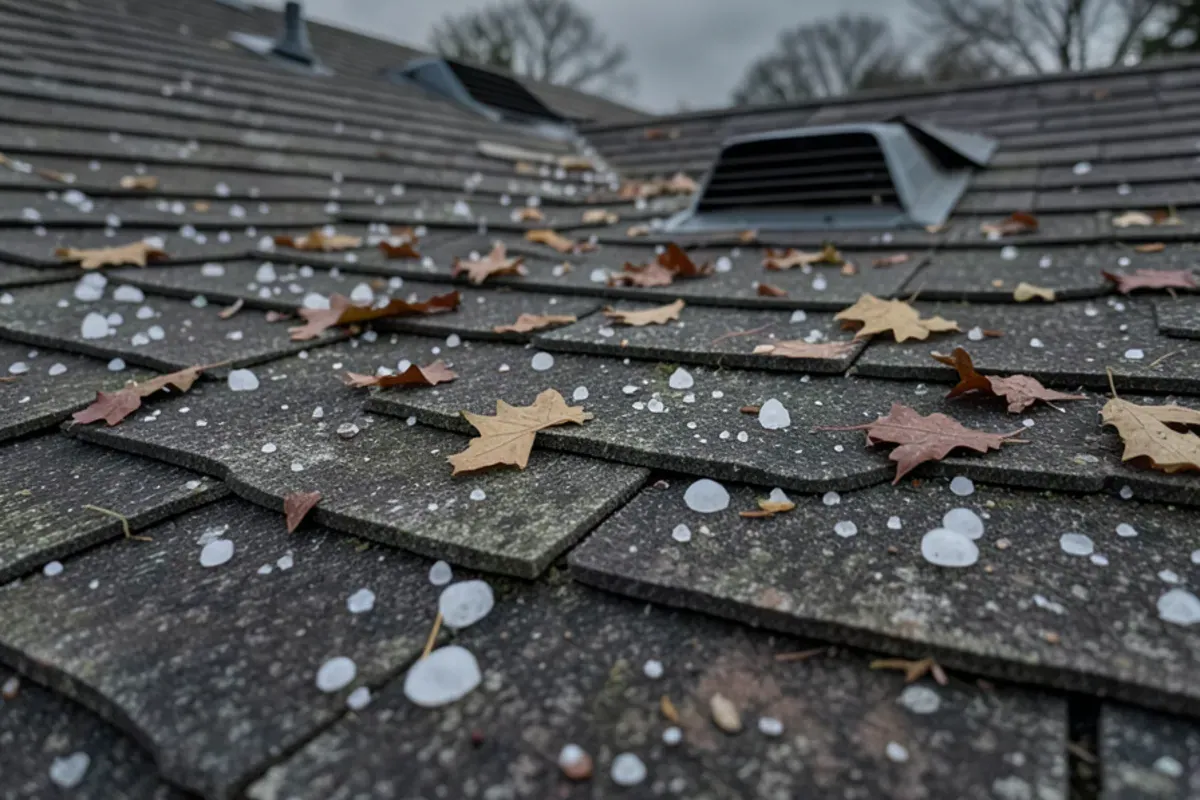
In Tarrant County neighborhoods with big lots and mature trees, such as Colleyville, shade keeps some slopes cooler while falling limbs add their own risk. Every house is different, which is why we start with the roof itself.
A few other details decide how any material performs, and they are easy to overlook when comparing samples:
- Underlayment. Synthetic underlayment and ice-and-water membrane in valleys and around penetrations keep water out when the top layer is damaged.
- Flashing. New drip edge, step flashing and pipe boots should come with any new roof, whatever it is made of.
- Installation. Nailing pattern and starter courses decide how a shingle roof holds in wind; panel fastening and clip spacing do the same for metal.
- Attic airflow. A hot, poorly vented attic shortens the life of shingles in particular.
If you are weighing materials for your next roof, call (725) 745-8803. We work across the metroplex as a roofing contractor in Irving, TX, the inspection and estimate are free, and we are happy to price two materials side by side so you can compare them on paper.
Questions readers ask
Do lighter shingle colors keep a Texas house cooler?
Are Class 4 shingles worth the extra cost in DFW?
Can I switch from shingles to tile on my existing house?
What roof pitch do shingles, metal and tile need?
Sources

Written by the RJ Premium Roofing team, a bilingual roofing contractor based in Irving, TX. We inspect, repair and replace roofs across Dallas–Fort Worth and document storm damage for homeowners’ insurance claims.