Many insurers offer a Class 4 shingles insurance discount in Texas, cutting part of the homeowners premium for roofs rated to UL 2218 Class 4. The size of the break, the proof required and whether it applies to your policy vary by company, so the right move is to ask your agent before you choose shingles, not after.
Every spring storm in North Texas brings the same question from homeowners with a roof that is aging or freshly damaged: is it worth paying more for impact-resistant shingles, and will the insurance company actually give something back? The answer depends less on the shingle and more on your insurer. Here is how the discount works, how to ask for it and how to judge whether it pays off for your home.
How a Texas Insurance Roof Discount Works
A Texas insurance roof discount for impact resistance is a premium reduction your insurer applies when the roof covering carries a recognized impact rating, almost always UL 2218 Class 4. The logic is simple: a roof that resists hail produces fewer and smaller claims, so the company prices it lower.
Three details vary from company to company:
- How big it is. The Texas Department of Insurance explains that credits apply to roof coverings that pass UL 2218, Classes 1 through 4, with Class 4 earning the most; each company sets its own amounts, and policy forms differ.
- What it applies to. It may reduce the full premium or only the wind and hail portion.
- How long it lasts. Usually as long as the rated roof stays on the house, sometimes with periodic re-checks.
Because of that variation, any number you hear from a neighbor or a salesperson tells you little about your own policy. Your agent's written answer is the only one that counts.
UL 2218 Class 4 in Texas: What the Rating Means
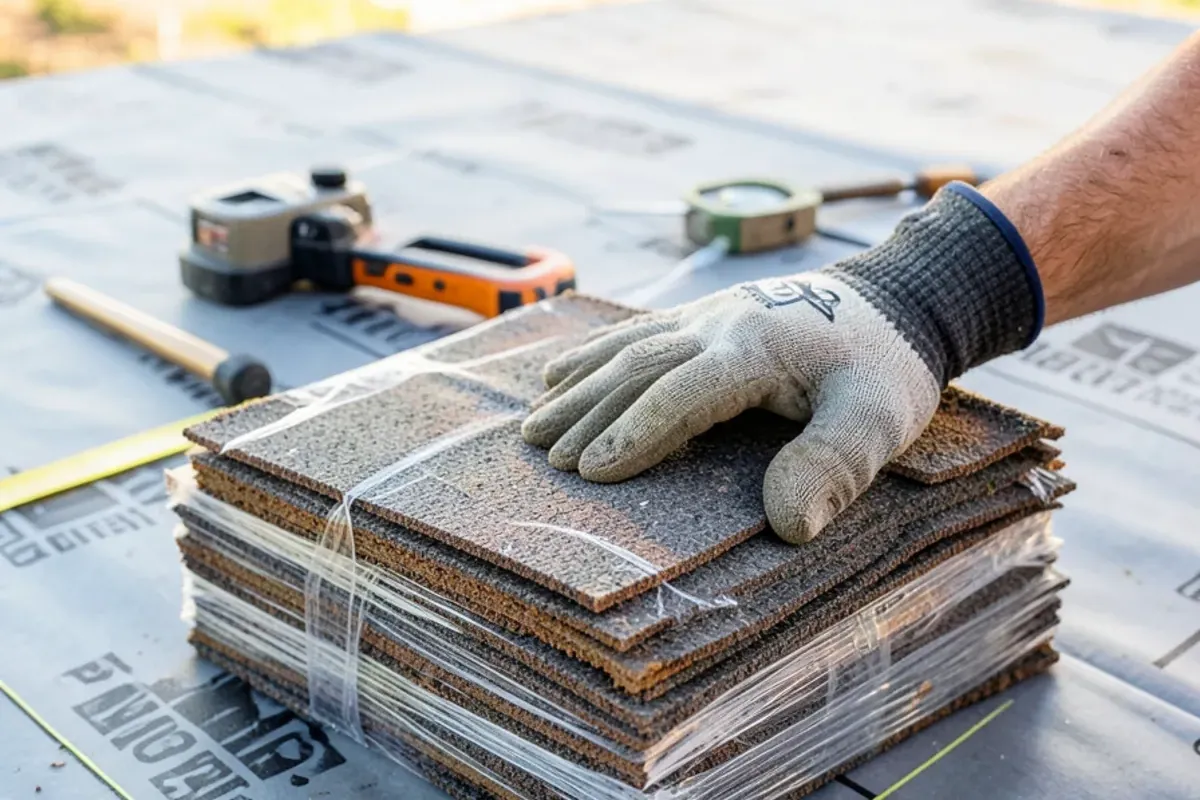
UL 2218 is a laboratory test that drops steel balls on a roof covering. The four classes match ball sizes from 1¼ inches up to 2 inches, each dropped twice on the same spot. Class 4 is the top rating, earned when the product survives impacts from the 2-inch ball, dropped from about 20 feet, without cracking. In Texas, that rating is the label insurers look for. It is a rating of the product, so the shingle you install has to be the exact line that carries it; a "hail-resistant" marketing claim without the UL 2218 Class 4 rating will not qualify.
Want a roofer to look at it?
Free inspection with photos. Se habla español.
- 5.0 on Google (33 reviews)
- Free inspections & estimates
- Se habla español
- Workmanship guaranteed in writing with every contract
Steps to Ask for the Discount
The order matters. Asking after installation sometimes works, but asking first lets you compare real numbers.
- Call your agent before choosing shingles. Ask whether your insurer offers an impact-resistant roof discount, what it is worth on your current premium, and what proof they need.
- Get the requirement in writing. Some companies want a specific form, others accept an invoice.
- Choose a product with the right rating. Confirm the exact shingle line carries UL 2218 Class 4.
- Collect the paperwork at installation. Keep the invoice naming the product, a bundle wrapper or label, photos of the installation and your permit record.
- Send it to your insurer. Then check your next premium notice to make sure the discount appears.
Proof Insurers Commonly Ask For
| Document | Why insurers want it | Where it comes from |
|---|---|---|
| Itemized invoice naming the shingle line | Shows the exact rated product was installed | Your roofing contractor |
| Bundle wrapper or product label | Confirms the impact rating on the material | Saved during installation |
| Contractor statement or insurer's form | Confirms the full roof was covered with that product | Your contractor completes it; TDI's Impact-Resistant Roofing Installation Form (PC068) is one common version |
| Installation photos | Shows the work and completion date | Contractor or homeowner |
| Permit record | Dates the re-roof | Your city's building department |
Hail Resistant Shingles Cost and the Payback Question
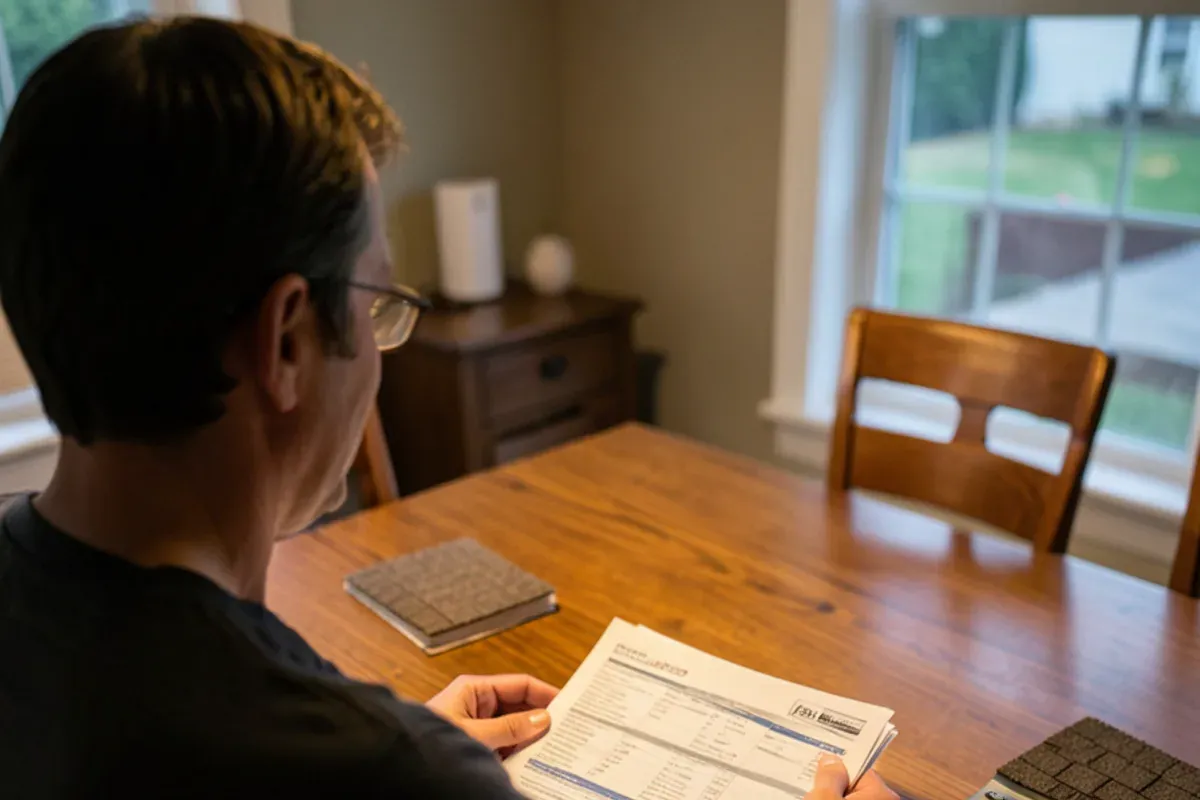
Hail resistant shingles cost more per square than standard architectural shingles. For a baseline, Smart Roofing Calculator's 2026 figures place architectural shingles, installed, between $426 and $614 per square; impact-resistant lines run above that, by an amount that depends on the product. We price both options in our free estimate so you can see the actual gap on your roof.
The payback math is straightforward once you have both numbers. Divide the extra cost of the upgrade by the yearly discount your agent quotes. As a purely hypothetical example, an upgrade that adds $2,000 to a job and saves $250 a year pays for itself in about eight years. Fewer claims, less exposure to your wind and hail deductible, and a roof that may keep its looks longer are benefits the math does not capture.
Do All Class 4 Shingles Hold Up the Same Way?
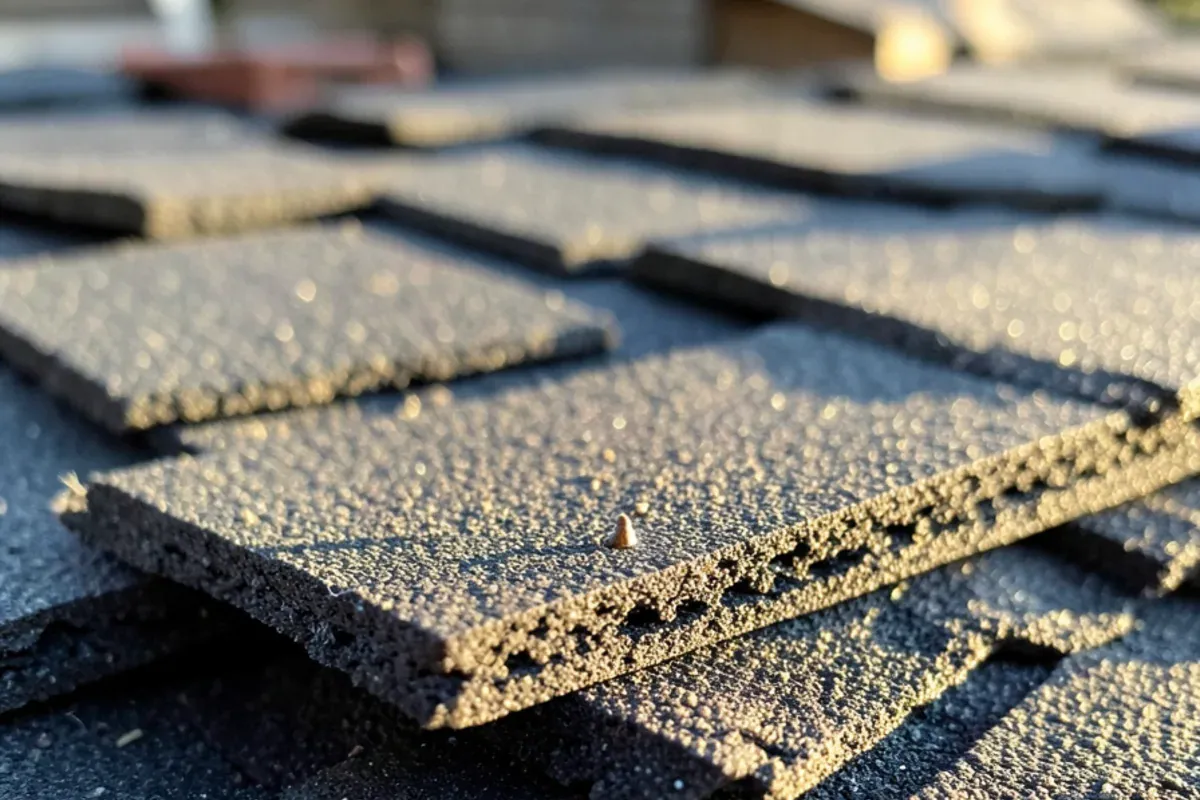
No, and this is where honest advice matters more than the label. UL 2218 is a lab test on new material with steel balls. Real hail is ice, arrives with wind at an angle, and hits shingles that have spent years in North Texas heat. Several things separate one Class 4 roof from another in practice:
- How the shingle earns the rating. Some lines use a rubber-like modified asphalt that flexes on impact; others rely on a reinforced backing or mat. Ask what the product is made of and how it behaves as it ages.
- Age. Every asphalt shingle stiffens over time. A ten-year-old Class 4 roof will not take a hit the way it did the summer it went on.
- Installation. Nailing, underlayment and ventilation still decide how long the roof lasts. A rated shingle on a starved, overheated attic gives up some of its advantage.
- Policy fine print. Ask your agent whether taking the discount comes with any change to how hail damage is paid, such as a cosmetic-damage exclusion. You want the discount without quietly giving up coverage you would need later.
None of this means Class 4 is a poor buy. On homes in repeat-hail areas it is often the sound choice. It means the decision should rest on the product line, the installation and the policy terms together, not on the rating alone.
What We Tell Owners Considering the Upgrade
On larger homes, such as many of those in Southlake, the roof area is big, so both the cost of the upgrade and the potential premium savings scale up. That makes the agent's written answer even more important before you decide.
Two cautions come up in almost every conversation. First, Class 4 shingles resist hail; they do not make a roof hail-proof, and very large stones can still damage them. Second, an insurance claim does not pay for the upgrade itself unless you already had impact-resistant shingles. If a storm damaged standard shingles, the claim covers standard shingles and you pay the difference to move up. We put that difference on its own line so it is never confused with your deductible, which Texas law requires you to pay.
Decide With the Numbers in Hand
The discount is real money for many Texas homeowners, but it is not guaranteed and not uniform. Ask your agent first, compare our estimate for both shingle types, and make the call with actual figures. Learn more about impact-resistant shingles and our hail damage roof repair work, or talk with an Irving roofing contractor who installs both. Call (725) 745-8803 for a free estimate that prices each option.
Questions readers ask
How much is the Class 4 roof discount in Texas?
Will my insurer pay for Class 4 shingles after a hail claim?
Does the discount stay if the roof gets hit by hail again?
Do metal roofs or other materials qualify for the impact-resistant discount?
Sources
- Underwriters Laboratories — UL 2218 impact resistance of prepared roof coverings
- Texas Department of Insurance — Homeowners insurance information
- Texas Department of Insurance — Roofing discounts
- Texas Department of Insurance — Form PC068, Impact-Resistant Roofing Installation
- Insurance Institute for Business & Home Safety (IBHS)
Written by the RJ Premium Roofing team, a bilingual roofing contractor based in Irving, TX. We inspect, repair and replace roofs across Dallas–Fort Worth and document storm damage for homeowners’ insurance claims.