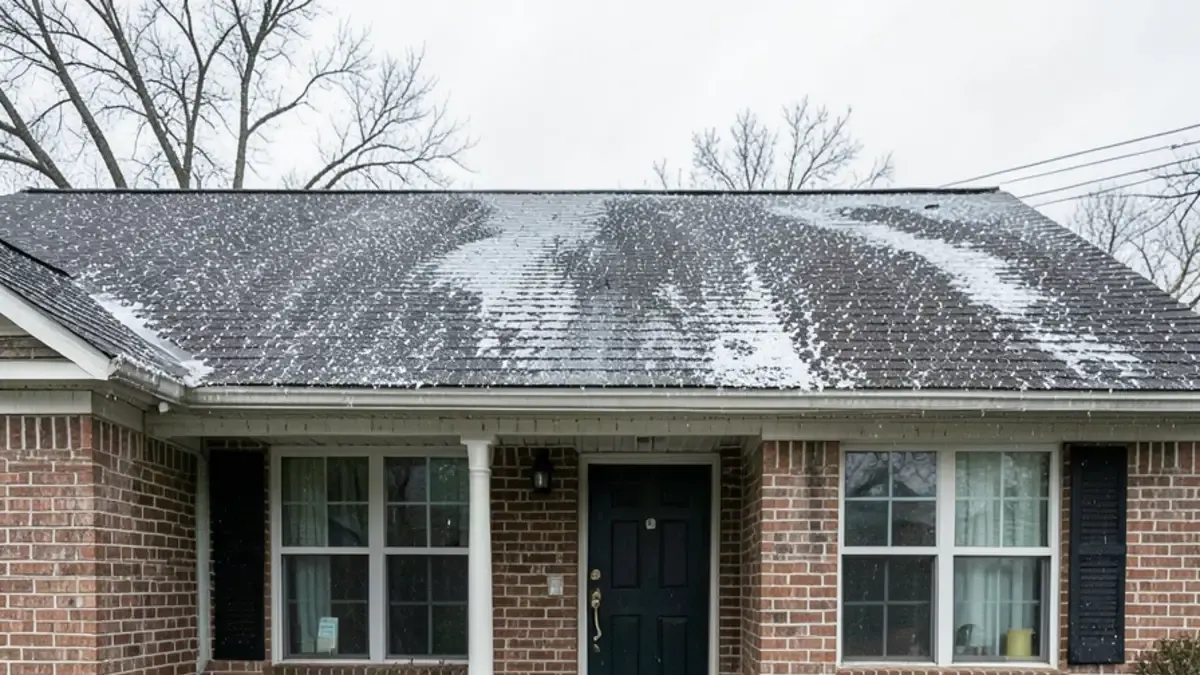
Does insurance cover hail damage in Texas? For most homeowners policies, yes: hail is a covered peril for the house and roof. What the policy pays is a different question, shaped by your deductible, whether the roof is insured at replacement cost or actual cash value, and exclusions for cosmetic damage or wear.
Hail claims are a fact of life in North Texas. Between 2017 and 2019, Texas policyholders filed 637,977 hail claims by the National Insurance Crime Bureau's count, and 25,262 of those came from Dallas. With numbers like that, most homeowners will deal with a roof claim at some point. Knowing how your policy treats hail before the next storm saves frustration later and helps you read the adjuster's estimate when it arrives.
Is Hail a Covered Peril on a Texas Policy?
On most Texas homeowners policies, hail damage to the dwelling, including the roof, is covered. Hail is sudden and accidental, which is what property insurance is built for. Interior damage from water that came through a hail-damaged roof is usually covered too, as is damage to detached structures such as a garage or shed under the policy's other-structures coverage. Hail on the family car is a separate matter, handled under the comprehensive part of an auto policy.
Coverage is not the same as payment, though. Several parts of the policy decide how much you actually receive:
- The deductible, often a separate wind and hail deductible
- The valuation method, replacement cost or actual cash value
- Exclusions, especially wear and tear and cosmetic damage
- Endorsements that change how the roof is valued as it ages
The Wind Hail Deductible in Texas
Many Texas policies carry a wind hail deductible that is different from the deductible for other claims. It is often a percentage of your dwelling coverage rather than a flat dollar figure. United Policyholders reports that 2% has become the most common wind and hail deductible across much of Texas. As simple arithmetic, a 2% wind and hail deductible on a home insured for $300,000 means the first $6,000 of a hail claim is yours.
That amount matters in two ways. A smaller roof repair may fall below it, so filing may not make sense. And Texas Insurance Code Chapter 707 requires you to pay it yourself: a contractor may not pay, waive, absorb or rebate it, and you should be wary of anyone who offers.
Want a roofer to look at it?
Free inspection with photos. Se habla español.
- 5.0 on Google (33 reviews)
- Free inspections & estimates
- Se habla español
- Workmanship guaranteed in writing with every contract
ACV vs RCV Roof Coverage
The single biggest factor in what a claim pays is how the roof is valued. Here is the difference in ACV vs RCV roof coverage:
| Replacement cost value (RCV) | Actual cash value (ACV) | |
|---|---|---|
| What it pays | Cost to replace with like kind and quality | Replacement cost minus depreciation for age |
| How it is paid | Often in two parts: ACV first, the rest after work is done | One payment |
| Older roofs | Full replacement cost, if the policy has no roof schedule | Payment shrinks as the roof ages |
| Out-of-pocket | Usually the deductible | Deductible plus the depreciation gap |
| Where to check | Declarations page and roof endorsements | Same |
Some policies insure the house at replacement cost but add an endorsement that pays the roof at actual cash value, or on a schedule based on age. If your roof is over ten or fifteen years old, read your endorsements closely.
Cosmetic Damage Exclusion and Other Limits
A cosmetic damage exclusion removes coverage for hail damage that affects only appearance. It is most common with metal roofs, where dents can be purely visual, but some policies apply similar wording more broadly. Wear and tear is excluded on virtually every policy: a roof failing from age is a maintenance issue, not a storm loss.
Code upgrades are another gap. When a damaged roof is replaced, current building code may require items the old roof never had. In Irving, for example, the 2024 edition of the residential code took effect on May 1, 2026 under Ordinance 2026-11253; confirm the edition in force with the city. Whether your claim pays for code-required items depends on ordinance or law coverage in your policy.
Should You File a Hail Claim? Questions to Answer First
Coverage tells you what the policy can pay; it does not tell you whether a claim is worth opening. Work through these before you call:
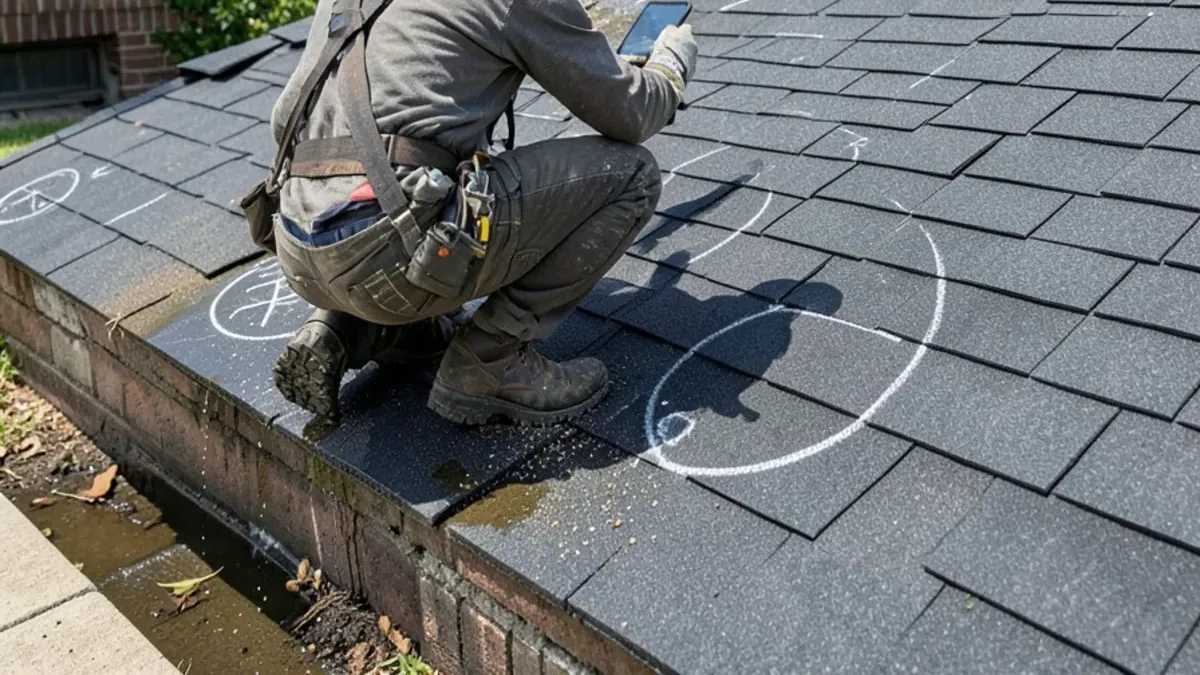
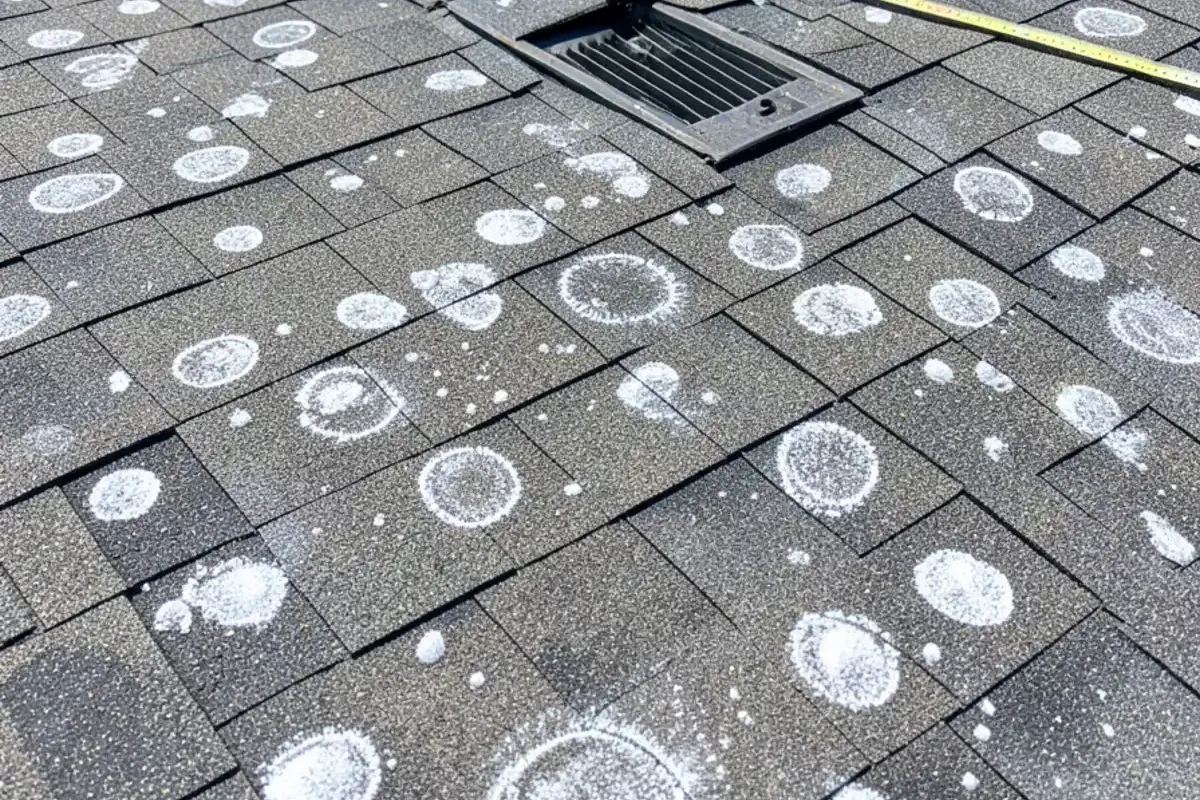
- Is the damage functional? Cracked or bruised shingles, broken seal strips and split vents affect how the roof sheds water. A few dents in a gutter may not.
- Is the likely repair bigger than your deductible? If a percentage deductible puts the first $6,000 on you, a two-slope repair may not clear it.
- How is the roof valued? On an older roof with an ACV endorsement, the check may be far smaller than the replacement price.
- What does the policy say about reporting time? The "duties after loss" section sets how soon you must report. Do not let a deadline run out while you decide.
- Will it affect renewal? Texas Insurance Code section 551.107 limits when an insurer may refuse to renew a homeowners policy over claims, and the Texas Department of Insurance has told insurers (Bulletin B-0026-17) that losses from natural causes are among the claims they may not count. Premiums can still rise across a region after heavy storm years.
If most answers point toward a real, functional loss above the deductible, file promptly. If they do not, keep the inspection photos on file; they help if a later storm makes the damage worse.
What Gets Paid on a Hail Damage Insurance Claim
A typical hail damage insurance claim on a roof includes the shingles and underlayment, ridge caps, drip edge, flashing, vents and pipe boots, removal and disposal of the old roof, and permit costs where they apply. Damaged gutters, window screens, fences and interior repairs may be included under the right parts of the policy. If the adjuster's scope misses items, a supplement request with photos can address them.
What We See on Hail Claims Around Dallas and Irving
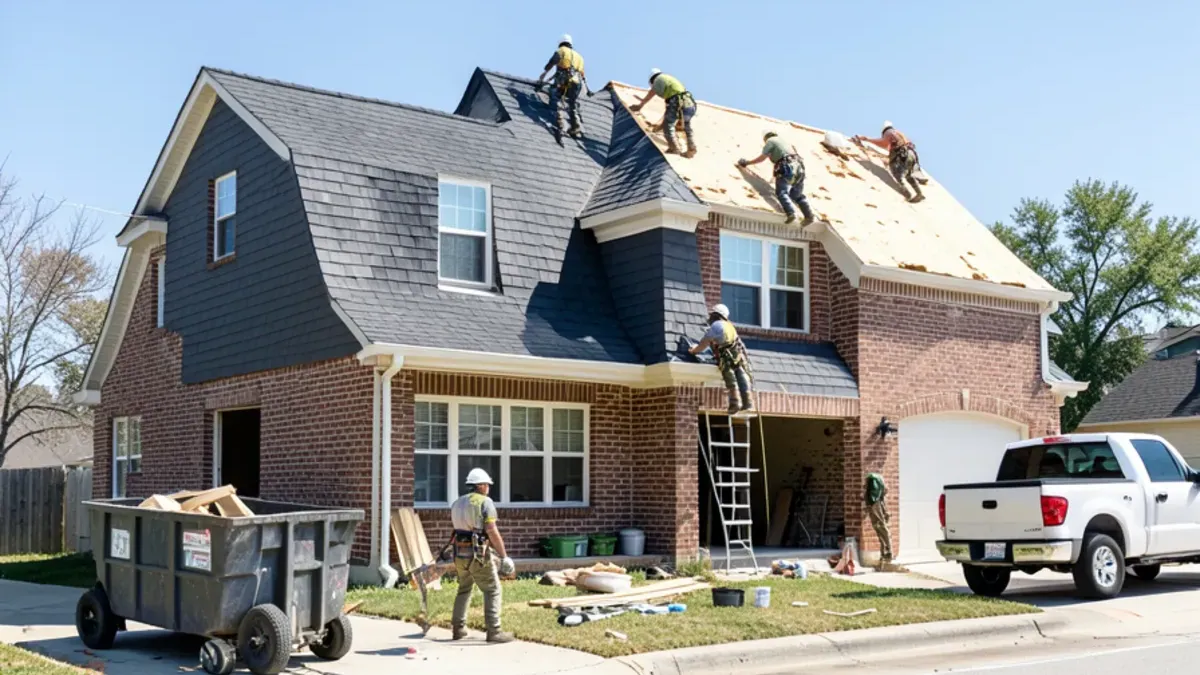
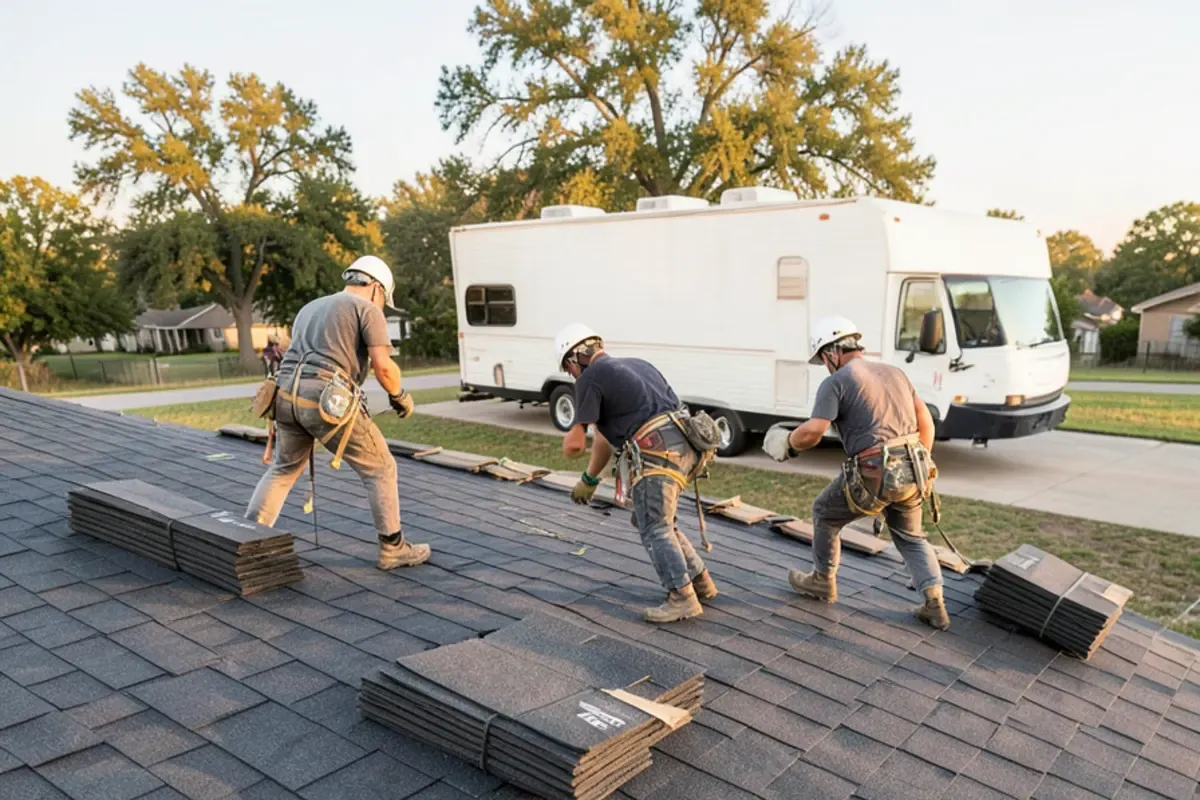
Our part is the evidence and the roof. We inspect and photograph the damage, walk through the policy pages you choose to show us, join the adjuster's roof visit to show the damage we photographed, and then build to the scope your insurer approves. When a claim leads to a hail damage roof replacement, we itemize anything outside that scope, such as an upgrade you choose, so it never blurs with the claim or your deductible.
When a scope comes back short, it is usually for one of three reasons. The adjuster counted hits in a test square on each slope and found fewer than the carrier's threshold on some of them; that can be a fair call on a sheltered slope, and we say so when it is. Items such as drip edge, starter strip, ridge vent or the permit were left off the estimate. Or the damage was written as cosmetic when the shingle mat is actually fractured, which shows when a hit is lifted and the back of the shingle is examined. In the last two cases, our photos give you something specific to send your insurer with a request to review the scope. In the first, we would rather tell you plainly than encourage a fight you are unlikely to win.
Owners in Dallas and across the county ask us the same first question: is it worth filing at all? A free inspection answers that before you call your insurer.
Read the Policy Before the Next Storm
Hail is covered on most Texas policies; the details decide what you receive. Find your wind and hail deductible, check whether the roof is RCV or ACV, and look for cosmetic or roof-schedule endorsements. For the bigger picture on roof insurance claims and how we support them, start there, or talk with an Irving, TX roofing contractor who works in English and Spanish. Before you file, call (725) 745-8803 and we will inspect the roof at no charge.
Questions readers ask
Will my insurance rates go up after a hail claim in Texas?
What is recoverable depreciation on a roof claim?
Does homeowners insurance cover an old roof damaged by hail?
Can my insurer drop me for filing a hail claim in Texas?
Sources

Written by the RJ Premium Roofing team, a bilingual roofing contractor based in Irving, TX. We inspect, repair and replace roofs across Dallas–Fort Worth and document storm damage for homeowners’ insurance claims.