How long does a roof last in Texas? Architectural shingles are commonly expected to give around 20 to 30 years, standing seam metal 40 years or more, and tile far longer, but in Dallas–Fort Worth a hailstorm, a hot attic or a poor install often ends a roof well before the number on the package.
Homeowners usually ask this question for one of two reasons: a neighbor just got a new roof, or the house they are buying has an old one. Either way, the honest answer starts with a range and then gets specific to the roof in front of you.
How long does a roof last in Texas, material by material?
These are commonly expected service lives across the industry. Treat them as ceilings, not guarantees:
- 3-tab asphalt shingles: often 15 to 20 years when nothing else goes wrong.
- Architectural shingles: roughly 20 to 30 years, with Class 4 impact-resistant lines in the same range or a bit better in hail country.
- Standing seam metal: 40 years or more for the panels.
- Concrete and clay tile: the tiles themselves can last 50 years or longer, but the underlayment beneath them usually does not.
In North Texas, though, the date a roof dies is often set by a single afternoon. A roof that was meant to last 25 years can be finished in year eight by one hailstorm.
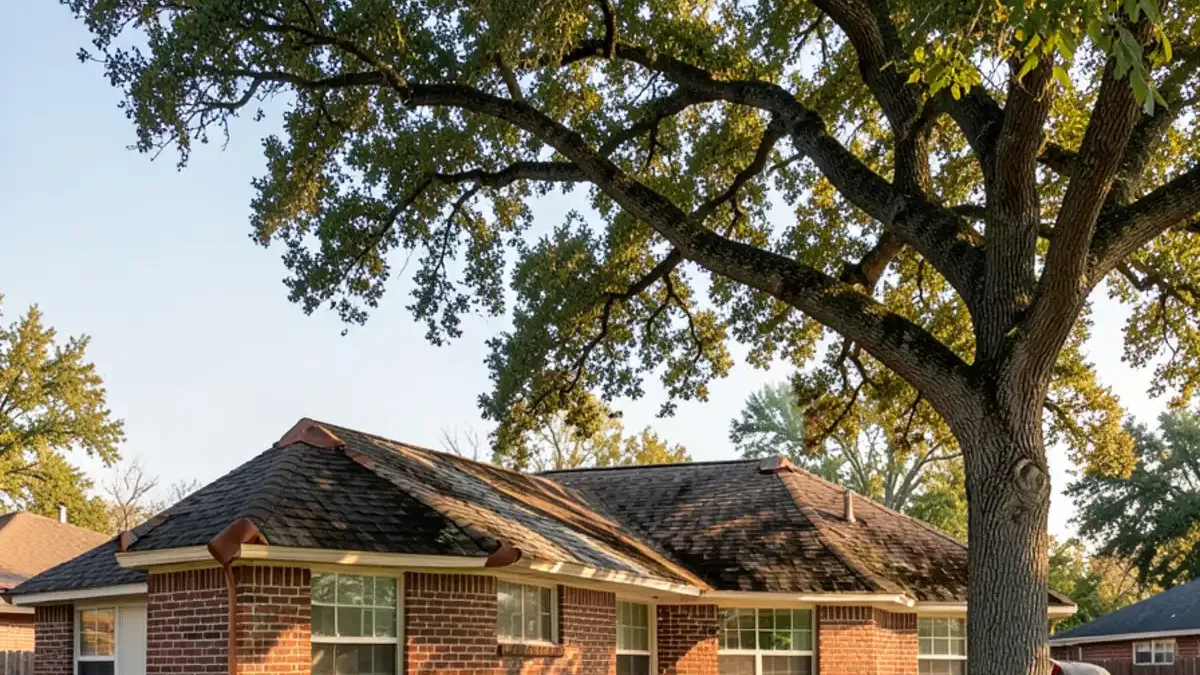
Shingle roof lifespan in Texas: why DFW roofs age faster
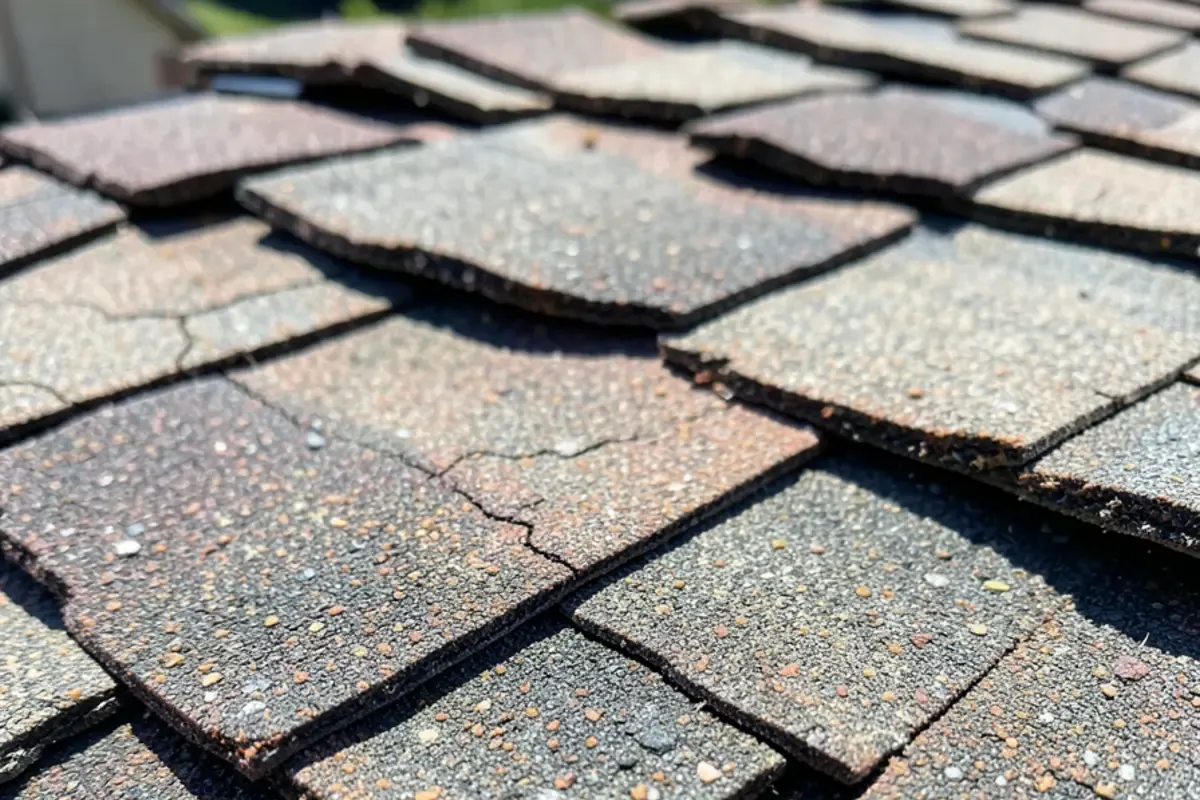
Shingles are asphalt, and asphalt dries out in heat and sun. A few local conditions speed that up:
- Long, hot summers. Months of 90-degree days push the oils out of the asphalt, so shingles turn brittle and crack.
- Hot attics. Without balanced intake and exhaust, the deck gets cooked from below as well as above. Our roof ventilation page explains how that is corrected.
- Hail. Even hail that leaves no leak can crush granules and bruise the mat, which shortens life quietly.
- Wind. Spring and summer gusts lift tabs and break the sealant strips that hold them down.
- Dark colors on south and west slopes. These run hotter than the rest of the roof and often wear first.
- Installation shortcuts. Too few nails, high nailing or reused flashing can undo a good shingle.
Metal roof lifespan and tile roof lifespan: what fails first
Metal and tile rarely wear out the way shingles do. What ages are the parts around them. On exposed-fastener metal roofs, the rubber washers on the screws dry out and loosen over time; standing seam systems hide their fasteners and hold up better. Sealants at ridges, walls and penetrations need attention on any metal roof.
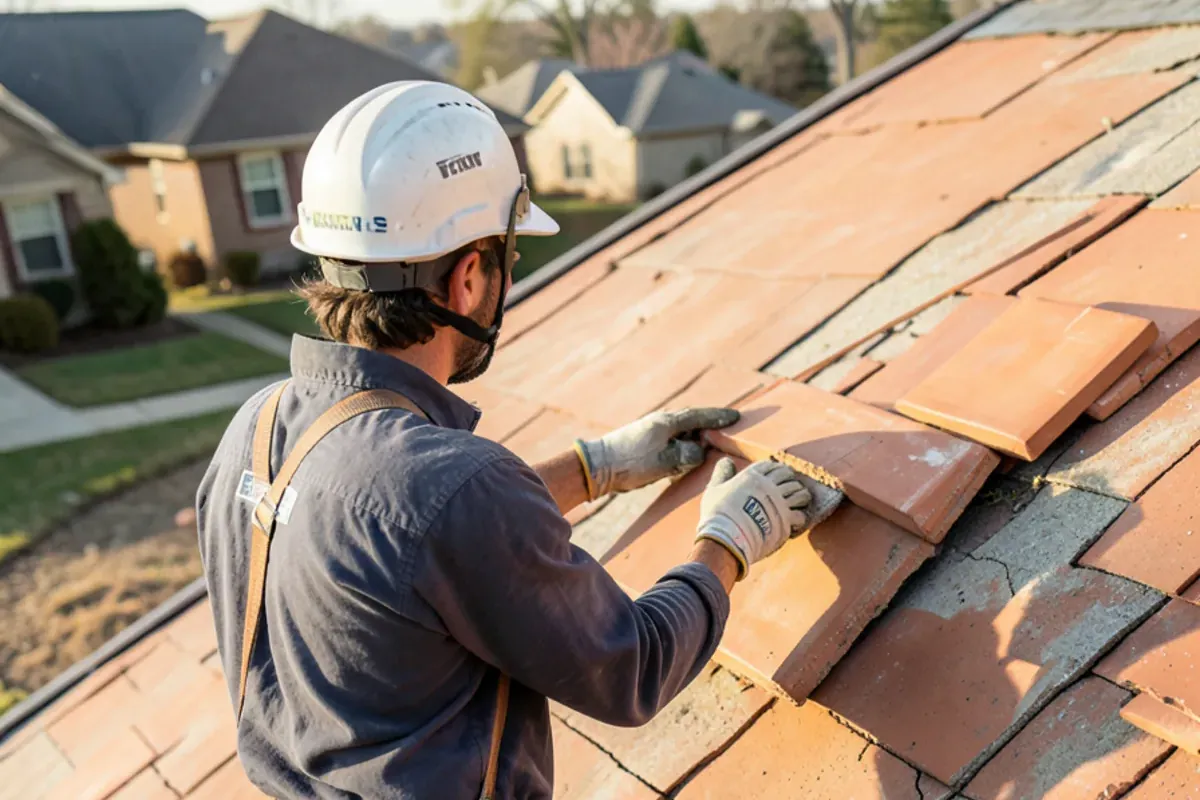
Tile is the clearest case of a roof outliving its own waterproofing. The tiles shed most of the water, but the underlayment beneath them handles the rest, and in Texas heat that layer often needs replacing long before the tiles do. Cracked tiles from hail or foot traffic also let water reach it sooner.
Want a roofer to look at it?
Free inspection with photos. Se habla español.
- 5.0 on Google (33 reviews)
- Free inspections & estimates
- Se habla español
- Workmanship guaranteed in writing with every contract
When to replace a roof: signs it is near the end
Use this checklist from the ground with binoculars, and from the attic with a flashlight:
| Sign | Where to look | What it usually means |
|---|---|---|
| Curling, cupping or cracked tabs | Sunny slopes | Asphalt has dried out |
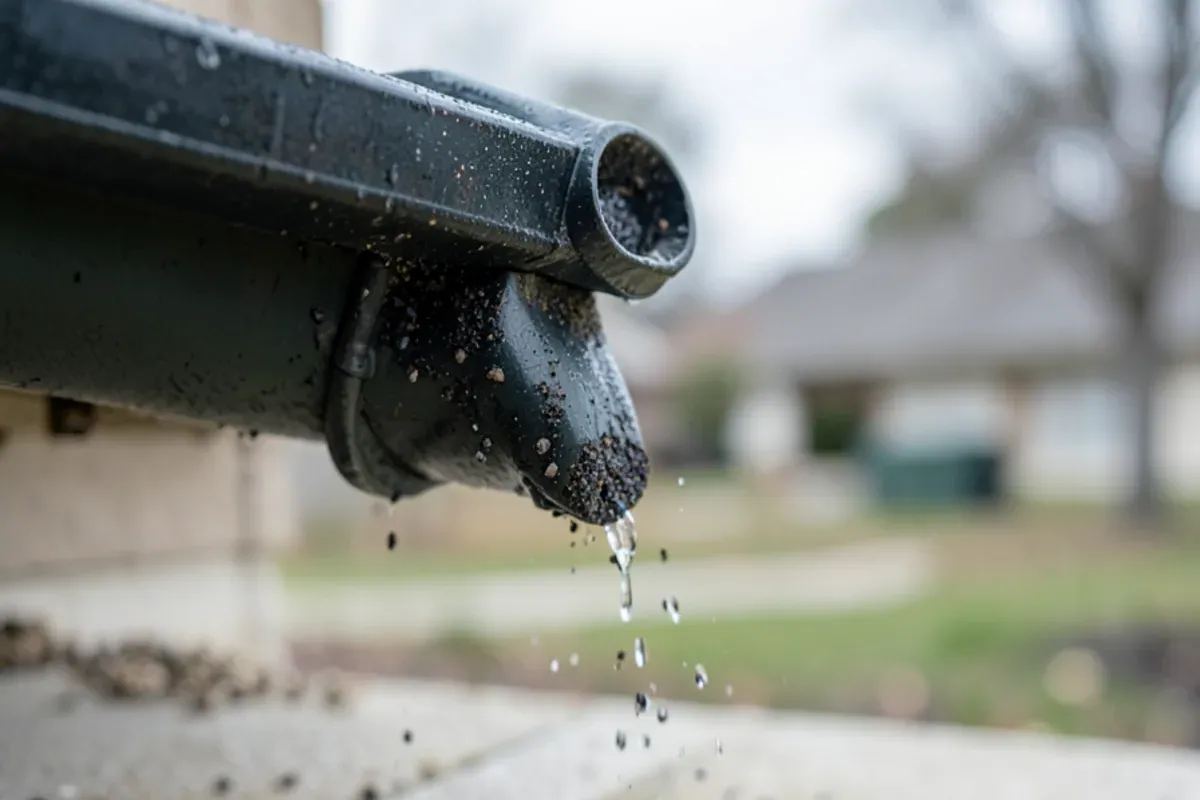
| Bald patches, heavy granules in gutters | Gutters, downspout outlets | The protective surface is going |
| Missing shingles after ordinary wind | Ridges, roof edges | Sealant strips have failed |
| Repeated leaks in different spots | Ceilings, attic | The roof is failing in more than one place |
| Daylight or stains on the deck | Attic | Water and heat have reached the wood |
| Patchwork of mismatched repairs | Anywhere | Repairs are no longer keeping up |
Simple upkeep stretches the good years: clearing leaves from valleys, replacing cracked pipe boots before they leak, and having the roof looked at after any storm with large hail. One or two of the signs above can often be repaired. Several at once on a roof past 20 years usually means planning a roof replacement before the next storm season makes the decision for you.
How can you tell how old your roof is?
Plenty of owners do not know, especially when the roof came with the house. A few records usually narrow it down:
- Open the closing file. Seller disclosures and the buyer's inspection report often note the roof's approximate age or a recent replacement.
- Ask the city for permit history. Re-roofs in Irving require a permit, so the City of Irving Inspections Department at (972) 721-2371 can tell you how to look up past roofing permits for your address. Most DFW cities keep similar records.
- Look for leftovers. Spare bundles in the garage or attic show the product line, which helps match future repairs and gives a rough idea of era.
- Read the roof itself. Bald granule patches, sealant strips that no longer hold and tabs that crack when lifted point to an older roof, although hail and heat can make a young roof look old.
- Compare with the street. Houses on the same block were often re-roofed after the same storm, so a neighbor's paperwork can help date yours.
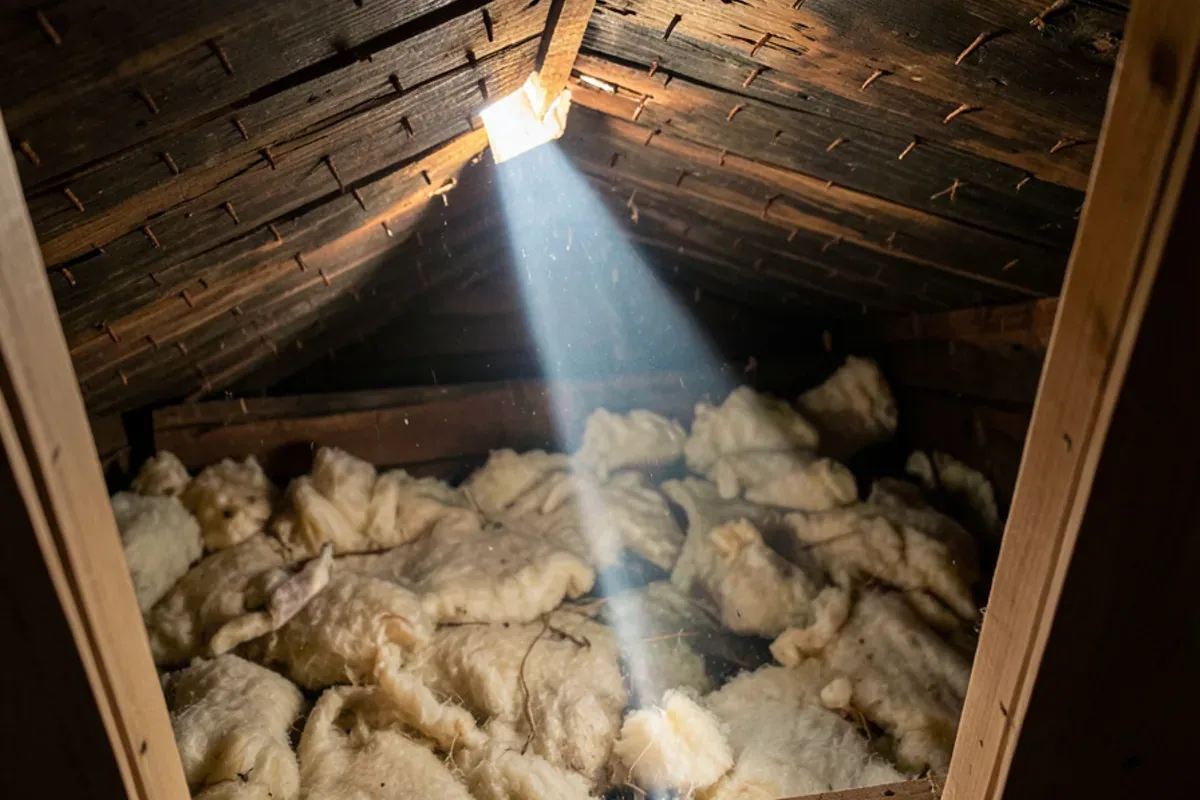
From the attic, the underside of the decking adds clues: old water stains, rusted nail tips and delaminating plywood all suggest the roof above has been working for a long time.
Does roof age affect insurance and home sales in Texas?
It can, in two ways. The first is coverage. Some Texas homeowners policies pay roof claims at actual cash value, which subtracts depreciation for age, instead of replacement cost, and some apply a payment schedule tied to how old the roof is. The Texas Department of Insurance explains these policy differences in its homeowners guides. Read your declarations page and endorsements, or ask your agent, before storm season, because the same hail damage can pay out very differently on a 5-year-old roof and a 20-year-old one.
The second is a sale. Buyers' inspectors in DFW routinely estimate remaining roof life, and an old roof often becomes a negotiating point late in the deal. Sellers who know the roof's age and condition can plan a repair, a replacement or a price adjustment on their own schedule. Buyers can order a separate roof inspection during the option period in a Texas purchase contract.
Age is only half the story: what we see on aging DFW roofs
Two houses built the same year on the same street can have roofs in very different shape. One has a south-facing slope with no shade and a starved attic; the other has balanced ventilation and a lighter shingle. We have seen 15-year-old roofs that are brittle across every slope and older ones that still lie flat and hold their granules.
Hail history matters most. Collin County homeowners remember the April 11, 2016 Wylie hailstorm, when hail up to softball size fell east of Plano. Roofs that came through a storm like that without a claim may still carry bruising that shortens their life. Across Irving, where the median home dates to 1986, most houses are already on at least their second roof.
The trade-off we explain most often is this one. A roof in its late teens with a single cracked pipe boot is a repair, and a good repair can buy it several more seasons. The same roof with brittle tabs on every slope, a soft spot in the decking and old hail bruising is a different conversation, because each repair disturbs shingles that no longer reseal. We would rather tell you to budget for replacement next spring than sell you a patch that fails in the next storm. And when a roof is replaced, correcting the attic ventilation at the same time is the cheapest moment to add years to the next one.
For Spanish speakers asking ¿cuánto dura un techo?, the answer is the same: it depends on heat, hail and how the roof was installed, and we are glad to explain it in Spanish.
If you are not sure how much life your roof has left, call (725) 745-8803. A free inspection gives you a straight read on whether to repair, plan ahead or replace now.
Questions readers ask
Does the shingle warranty tell me how long my roof will last?
Can an inspection tell me how many years my roof has left?
Is a 15-year-old shingle roof considered old in Texas?
Does fixing attic ventilation make a new roof last longer?
Sources

Written by the RJ Premium Roofing team, a bilingual roofing contractor based in Irving, TX. We inspect, repair and replace roofs across Dallas–Fort Worth and document storm damage for homeowners’ insurance claims.