Irving hail season runs mainly from March through June, with April and May carrying the most risk, when warm Gulf moisture, a dryline to the west and strong upper-level winds build supercell thunderstorms over North Texas. A smaller second round can arrive in fall, and hail is possible in any month.
Every spring, Irving homeowners watch the radar a little more closely. The metroplex sits in one of the most hail-prone parts of the country, and the timing is predictable enough to plan around. Knowing when storms peak helps you decide when to have your roof checked, when to keep an eye on the attic, and when to expect the busiest weeks for roofers across the area.
When Is Hail Season in Texas, and in Irving?
Ask when hail season is in Texas and the answer depends on where you live, but for Irving and the rest of Dallas County, spring dominates. The pattern below is a general guide based on how North Texas storm seasons usually unfold.
| Period | What is typical in DFW | Roof task |
|---|---|---|
| January–February | Occasional storms; winter freezes | Pre-season inspection; fix loose flashing and worn pipe boots |
| March | Storm season starts as warm, humid air returns | Clear gutters; confirm the attic is dry |
| April–May | Peak months for supercells and large hail | Check ground clues after each storm; inspect after any hail |
| June | Storms taper but strong ones still occur | Follow up on any damage noted in spring |
| July–August | Heat dominates; isolated storms | Watch for heat-aged shingles and pipe boots |
| September–November | A smaller second round as fall fronts arrive | Fall inspection before winter |
| December | Rare hail; cold snaps | Address anything found in fall |
Why North Texas Hail Storms Build in Spring
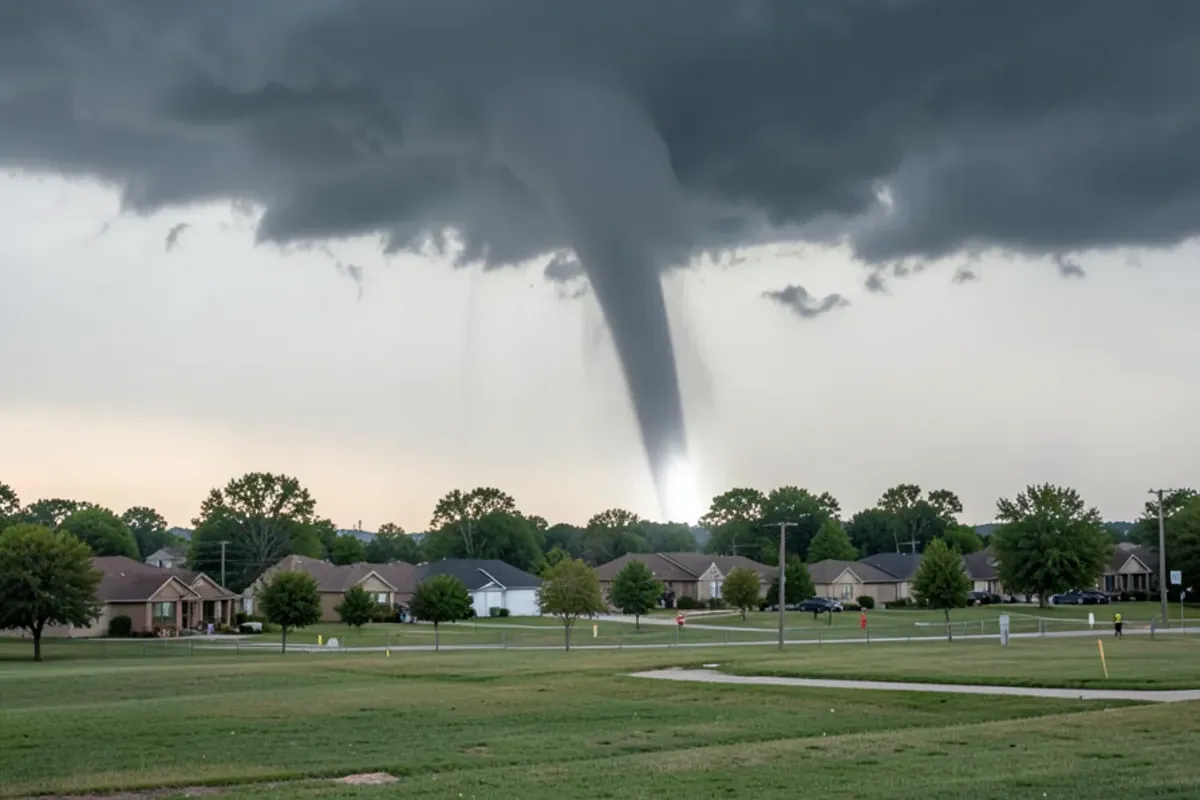
North Texas hail storms in spring come from a familiar setup. Warm, moist air flows north from the Gulf of Mexico at low levels. To the west, dry air off the higher terrain meets it along a boundary forecasters call the dryline. Above both, the jet stream is still strong from winter. When those pieces line up, storms that form along the dryline or a cold front can rotate and grow into supercells, the type of thunderstorm that produces most large hail.
Strong updrafts in those storms hold ice in the cloud long enough to grow, sometimes to golf ball size or larger. Two of the region's most remembered hail days fit that pattern: Fort Worth's Mayfest storm (May 5, 1995) and the Wylie storm of April 11, 2016, when stones reached softball size.
Want a roofer to look at it?
Free inspection with photos. Se habla español.
- 5.0 on Google (33 reviews)
- Free inspections & estimates
- Se habla español
- Workmanship guaranteed in writing with every contract
How to Follow a Hail Day From Forecast to Cleanup
Hail rarely arrives without warning in North Texas. The forecast usually signals a risky afternoon days ahead, which gives you time to act in a sensible order:
- Two or three days out. The NOAA Storm Prediction Center publishes convective outlooks that flag days with a severe weather risk over North Texas. When DFW sits in an elevated category, clear the garage so cars fit inside.
- The morning of. Bring in patio furniture, close the grill cover and note where your roof already has a soft spot or an old repair.
- During the warning. The National Weather Service Fort Worth office issues severe thunderstorm warnings, and it treats hail one inch across (quarter size) or larger as severe. Stay indoors and away from skylights and windows.
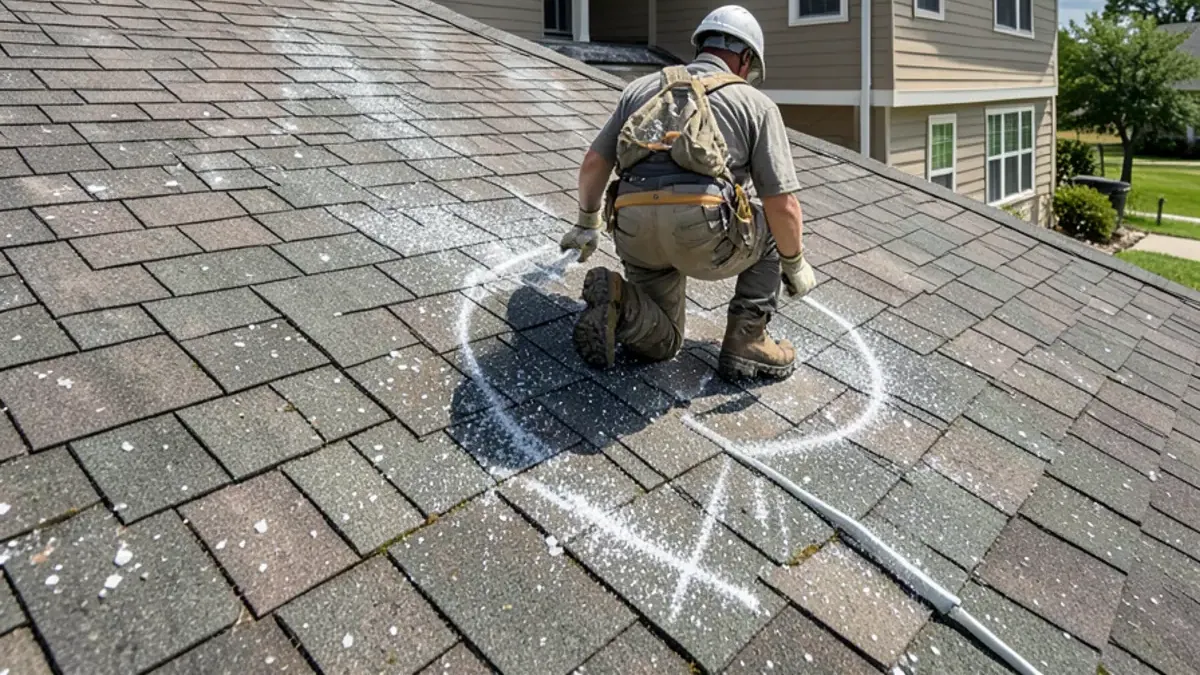
- Right after. Photograph and measure a few stones on the lawn before they melt, then walk the yard for dented gutters, downspouts and window screens. Stay off the roof.
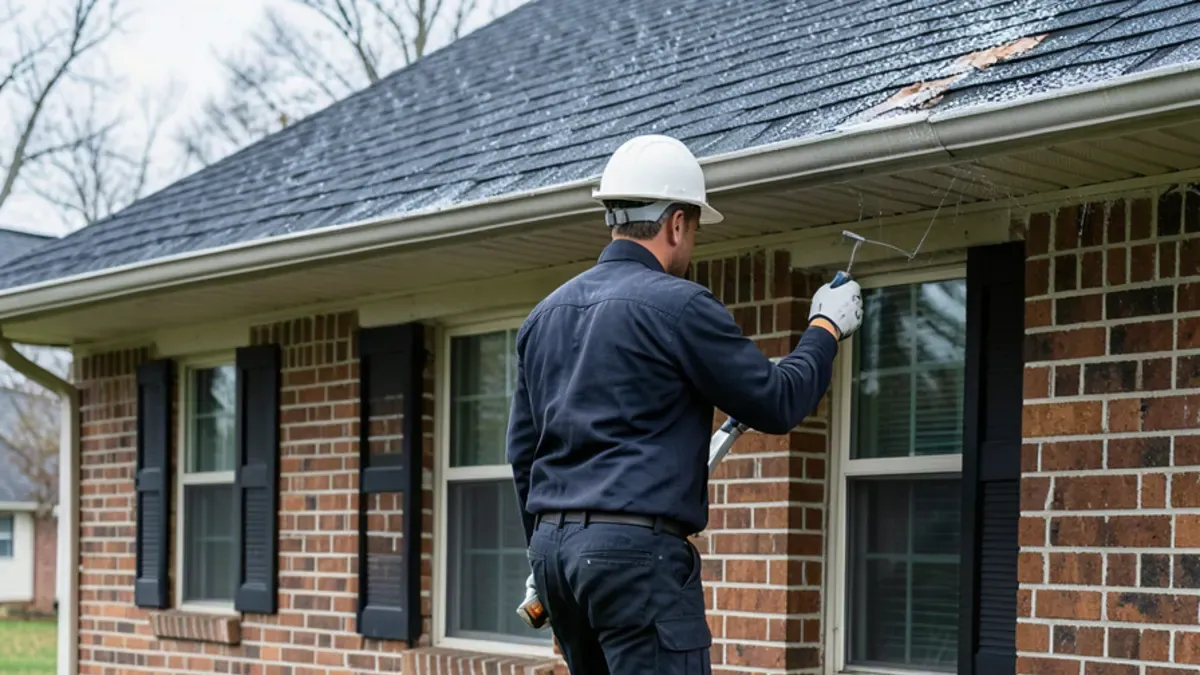
- Within the week. Book a roof inspection while the storm date is fresh and before neighbors' repairs blur the picture.

DFW Hail Season Months Compared
Not every month carries the same risk. In practice, DFW hail season months break down like this:
- Highest risk: April and May. Most of the large-hail events that drive roof claims in the metroplex fall here.
- Elevated risk: March and June, at the edges of the spring peak.
- Secondary window: Roughly September through November, when the first strong fall fronts arrive.
- Lower risk: Midsummer and midwinter, though neither is hail-free.
The numbers behind this show up in claims. National Insurance Crime Bureau figures count 637,977 Texas hail claims over 2017–2019, with 25,262 of them in Dallas alone, enough to place the city in the national top five.
Irving Storm Season and Your Roof's Age
The Irving storm season interacts with the age of the city's homes. The median Irving home was built in 1986, according to Point2Homes, and many neighborhoods from that era are on their second or third roof. Older shingles grow brittle in summer heat, so the same April storm can bruise a newer roof and crack an older one. If your roof is approaching fifteen or twenty years, spring hail is more likely to turn into a full replacement than a repair.
How We Plan Around the Season
Our own calendar follows the storms. The weeks after a big April or May hail day are the busiest of the year, and that is when homeowners can wait longest for an inspection from any roofer. We suggest three checkpoints:
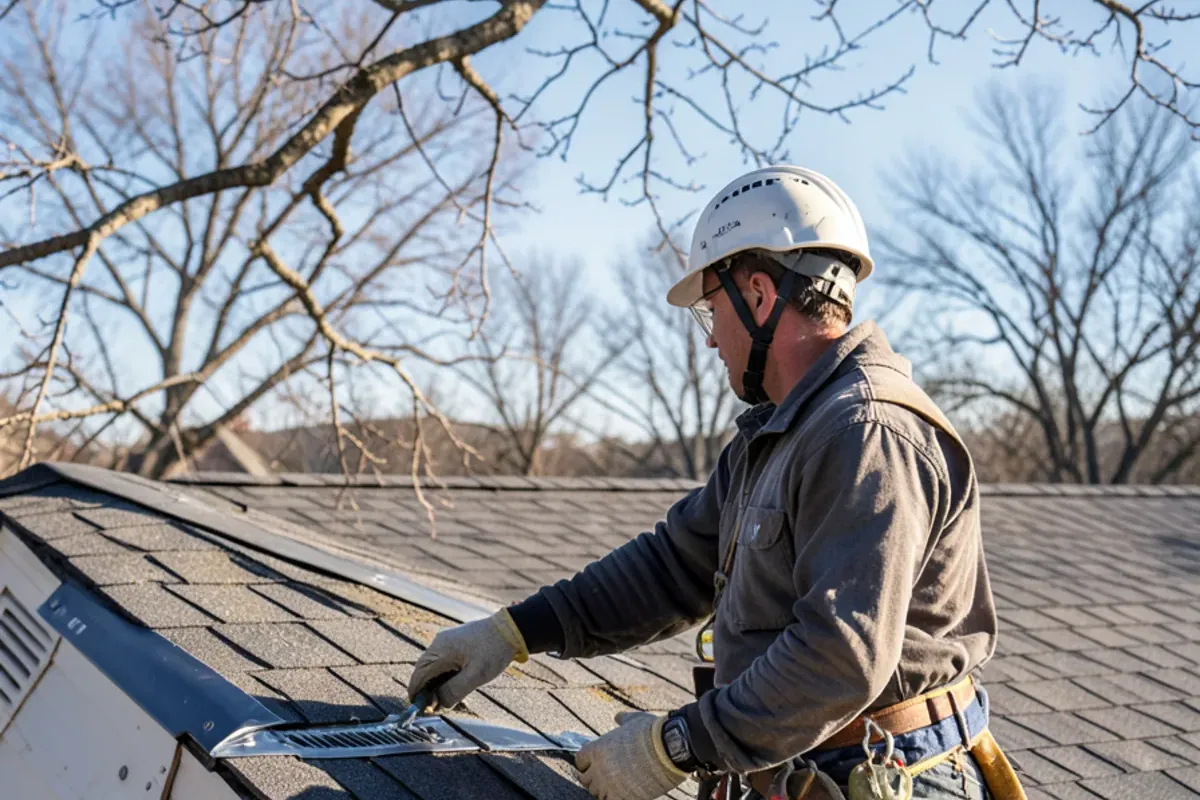
- Late winter. A pre-season look at flashing, pipe boots, ridge caps and any old repairs, so the roof enters spring sealed.
- After each hail event. A quick inspection while the storm date is fresh, even if nothing is leaking.
- Fall. A follow-up before the second storm window and winter freezes, catching anything that worsened over summer.
That rhythm also helps with insurance. When damage is documented soon after a dated storm, it is easier to show which event caused it. Homes across Dallas County and the rest of the metroplex follow the same seasonal pattern, so the plan works well beyond Irving.
What a busy hail season teaches us
A few honest points come up every spring. Pea-size hail on a healthy architectural shingle roof often leaves no damage at all, and we will tell you so rather than stretch a report. Larger stones change that quickly, and wind-driven hail can hit one slope hard and miss the opposite one, which is why we check every slope rather than the one facing the street.
Impact-resistant shingles shift the odds but do not make a roof hail-proof; they still dent, scuff or lose granules in a severe storm. Waiting out the post-storm rush can feel tempting, yet a small hail break on an older roof can let water reach the decking within a few rains, and May is Irving's wettest month. For families who prefer Spanish, we explain the whole temporada de granizo plan, from the pre-season check to the fall follow-up, en español.
Getting Ahead of the Next Storm
You cannot choose when hail falls, but you can choose when your roof gets checked. A spring that starts with a sound roof and a clear record of its condition puts you in a better spot when the next storm hits. Our hail damage roof inspection is free, and our hail damage roof repair work covers the fixes that follow. To book a check before or after a storm with an Irving roofing company that serves the whole area, call (725) 745-8803.
Questions readers ask
What months is hail most likely in Irving?
Should I replace my roof before hail season?
Does Irving get more hail than other parts of Texas?
How can I confirm the date hail hit my Irving neighborhood?
Sources

Written by the RJ Premium Roofing team, a bilingual roofing contractor based in Irving, TX. We inspect, repair and replace roofs across Dallas–Fort Worth and document storm damage for homeowners’ insurance claims.