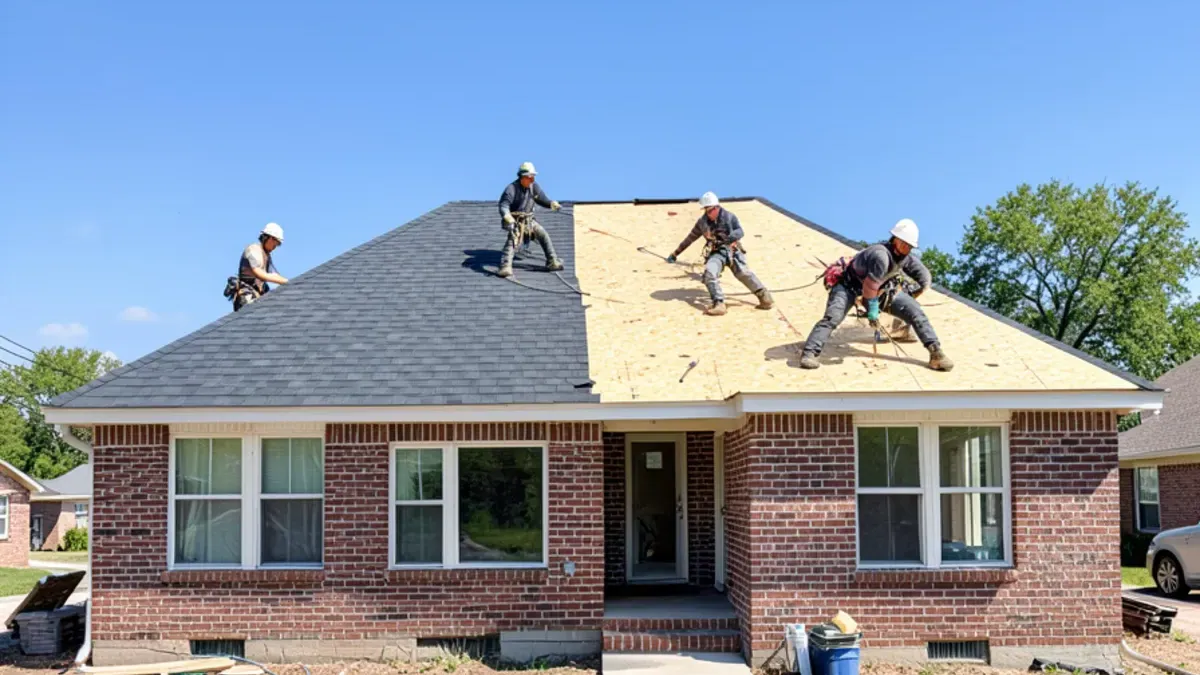
In the roof overlay vs tear off debate, a full tear-off is the better choice for most Texas homes. Shingling over old shingles saves some labor and disposal, but it hides the decking, complicates flashing, adds weight and heat, and the residential code bars it over two existing layers or a deteriorated roof.
Ask three roofers about putting new shingles over old ones and you may hear three answers. Ours is consistent: on almost every house, take it down to the wood. Here is why, and the narrow cases where an overlay is at least an option.
Roof overlay vs. tear-off: what each one means
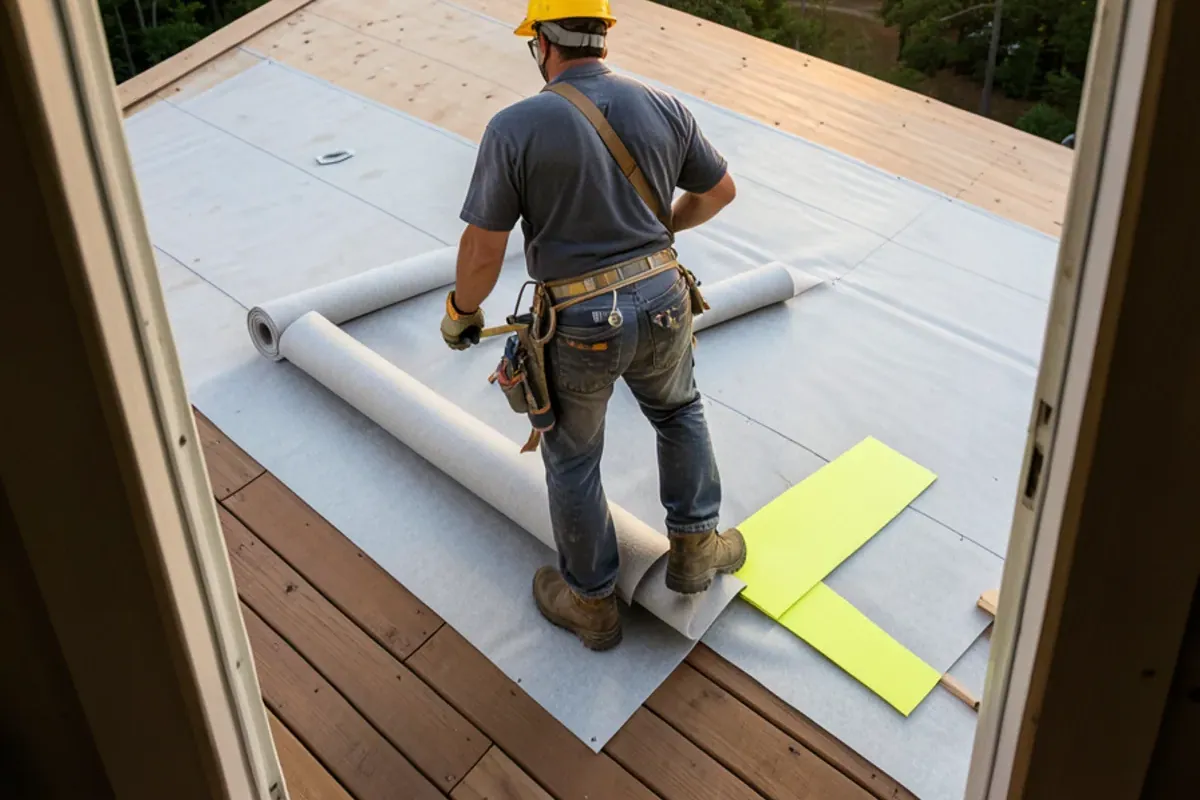
A tear-off removes every existing layer of shingles and underlayment down to the roof deck. The deck is inspected, repaired where needed, and the new roof starts from a clean surface with new underlayment, drip edge, flashing and vents.
An overlay, also called a recover or "shingles over shingles," lays a new layer directly on top of the old one. It skips the removal and most of the disposal, which is where its savings come from.
When the code says no to a second layer
The International Residential Code, which Irving has adopted (the city moved to the 2024 edition effective May 1, 2026, per Ordinance 2026-11253; confirm the current edition with the city), limits when a roof can be recovered. In general, a new layer is not allowed:
- over two or more existing layers of roofing
- over roofing that is water-soaked or deteriorated to the point it cannot serve as a base
- over slate, clay or concrete tile
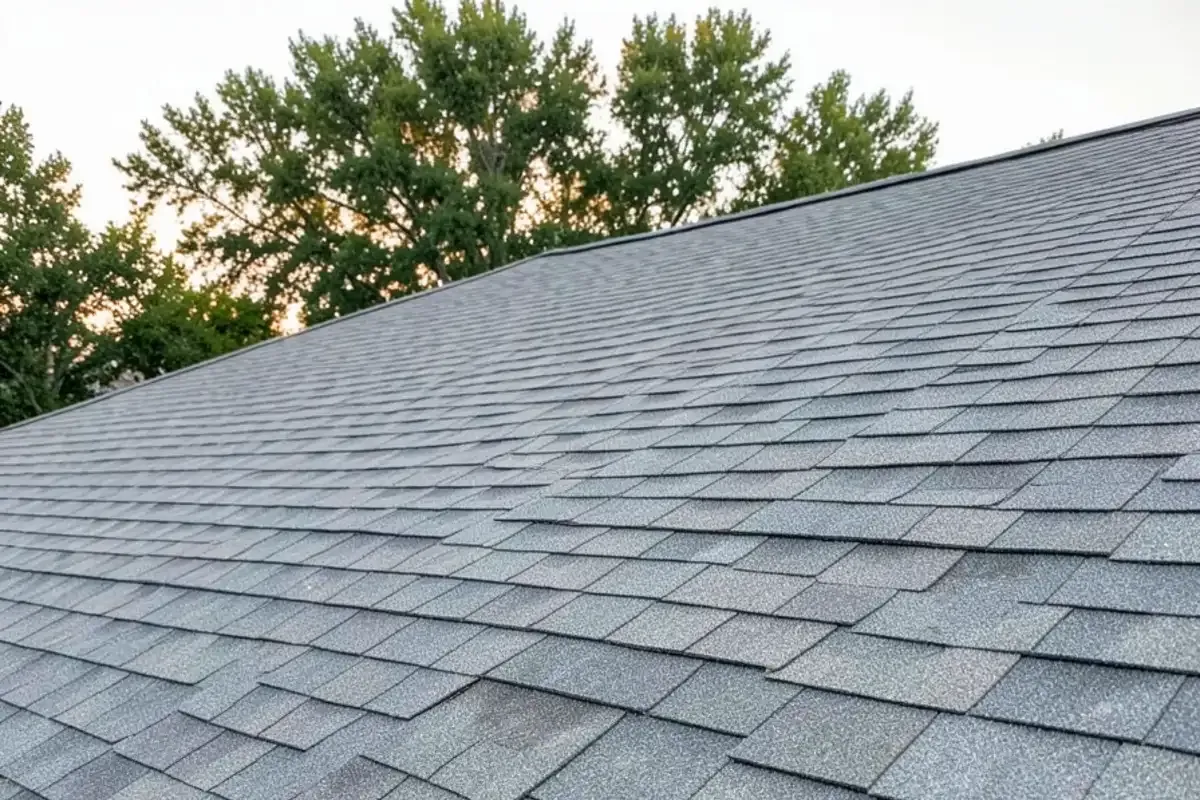
That rules out many older North Texas houses on the spot, because so many already carry two layers from an earlier overlay. A hail-damaged roof is also a poor base, since bruised shingles under a new layer leave the surface uneven and hide how far the damage reached.
What a second layer roof hides
Even where an overlay is allowed, it covers up the things that most often cause leaks and early failure:
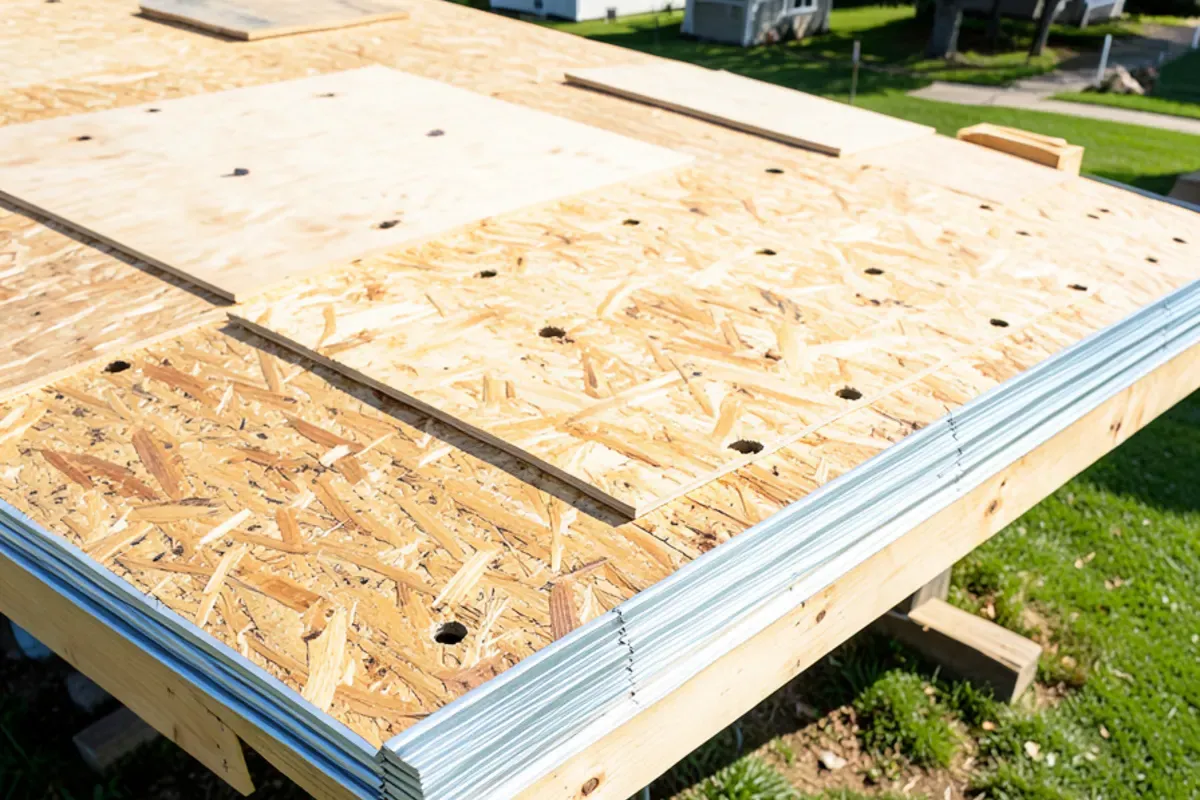
- The decking. Soft or rotten sheets stay in place, and new nails may not hold in them.
- Flashing. Walls, chimneys and valleys need new metal set against a flat surface; working around a thick double layer is harder to do watertight.
- Drip edge. Old drip edge is either buried or left exposed in the wrong position.
- Heat. Two layers hold more heat against the deck, which ages the new shingles faster in a Texas summer.
- Appearance. Bumps and old course lines can show through the new shingles.
Want a roofer to look at it?
Free inspection with photos. Se habla español.
- 5.0 on Google (33 reviews)
- Free inspections & estimates
- Se habla español
- Workmanship guaranteed in writing with every contract
Tear-off cost vs. overlay savings
An overlay is cheaper on the day it is installed. The question is whether the savings hold up:
| Factor | Overlay | Full tear-off |
|---|---|---|
| Up-front labor and disposal | Lower | Higher |
| Decking inspected and repaired | No | Yes |
| New drip edge, flashing and boots | Compromised | Done properly |
| Weight on framing | Two layers | One layer |
| Heat build-up | Higher | Lower |
| Next replacement | Must remove two layers | Removes one layer |
| Manufacturer requirements | May limit coverage | Meets standard installation terms |
The last two rows matter more than they seem. When the overlaid roof eventually fails, or hail damages it, the next replacement has to remove both layers, so the deferred tear-off cost comes due anyway, usually with interest in the form of damaged decking. On an insurance claim, the scope may account for the extra layer, but it complicates the job.
Will an overlay affect your homeowners insurance?
It can, in ways that show up long after the roofer leaves. When insurers write or renew a homeowners policy, they often ask about the roof's age, material and condition, and some ask how many layers it has. A recovered roof can draw closer questions at renewal, and some carriers are less willing to write coverage on one. Ask your agent before choosing an overlay, not after.
The bigger effect comes after hail. A damaged two-layer roof is a heavier, slower tear-off, and the deck under it has often been hidden for years. When you get the adjuster's scope, check whether it lists removal of each layer and any decking the code requires us to replace. If something is missing, ask your insurer about it; we document what we find at tear-off with photos so you have the evidence for that conversation.
When an overlay might still be considered
There are a few situations where a recover is at least worth discussing:
- The house has exactly one layer, and it lies flat with no soft spots.
- The attic shows no stains, rot or daylight around nails.
- The roof has few walls, chimneys or valleys that need new flashing.
- The city permits it for your house and the shingle maker's instructions allow it.
- You need a short-term fix on a property you will sell soon, and you understand the trade-offs.
Even then, we explain what is being skipped in writing so it is a decision you make with full information, not a shortcut taken for you. Shingles over shingles also affect the next owner, who will inherit two layers to remove, and buyers' inspectors often note them.
What happens on tear-off day?
A tear-off sounds messier than it is when the day is planned. On a typical house, the sequence runs like this:
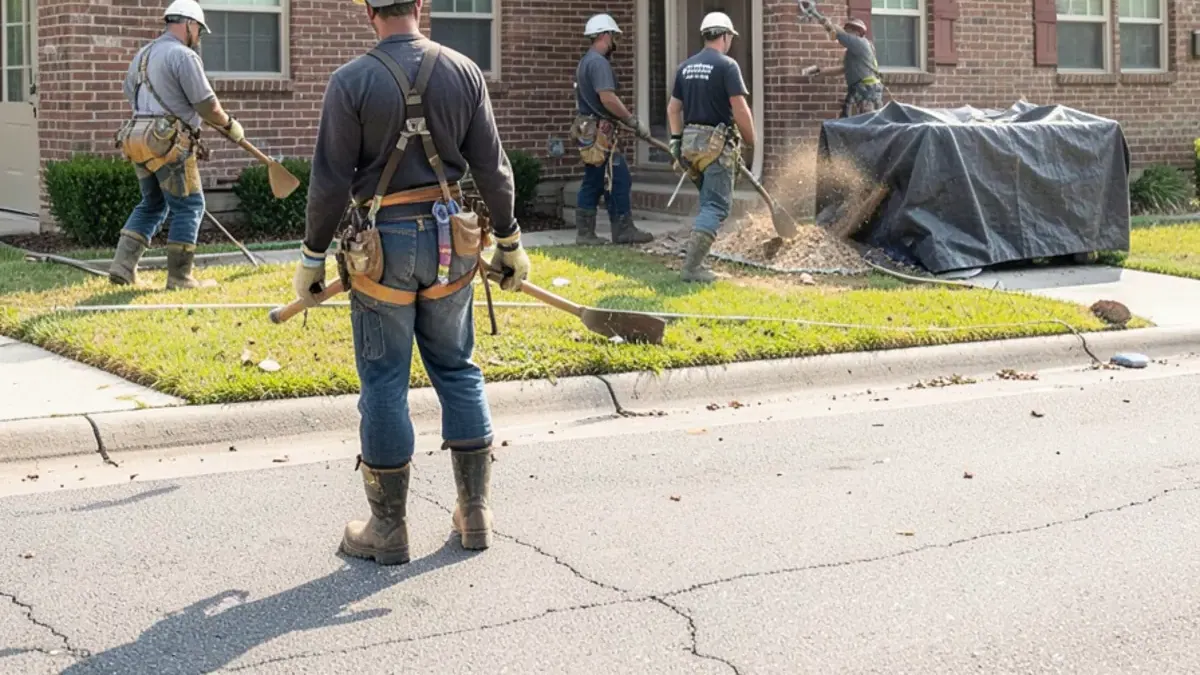
- Protect the property. Tarps go over shrubs, the AC unit and patio furniture, and plywood leans against windows below the eaves where needed.
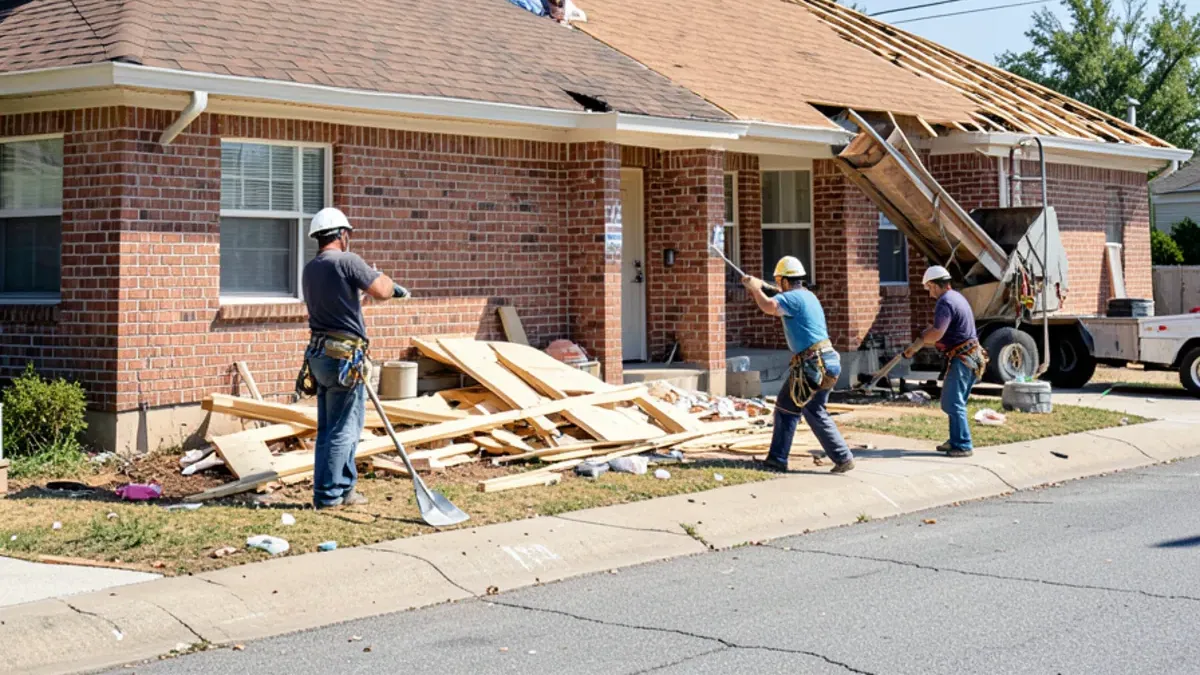
- Strip one section at a time. Shingles, old underlayment, old drip edge and pipe boots come off into a trailer or dumpster, not onto the lawn.
- Inspect the bare deck. We walk every sheet, mark soft or delaminated ones, and photograph them before replacing.
- Dry in before moving on. Each stripped section gets underlayment the same visit, so a pop-up North Texas storm never finds bare wood.
- Build the new roof. Drip edge, starter, shingles, flashing, vents and ridge go on over the prepared deck.
- Clean up and sweep. A magnet passes over the driveway, beds and lawn to pick up stray nails.
Reviewers of our work have reported roofs finished in one day and crews that cleaned up afterward, though the real timeline depends on the roof's size, the number of layers and what the deck shows.
Why we start most re-roofs with a tear-off
On our estimates, tear-off appears as its own line, priced by the number of layers, so you can see exactly what removal costs. We recommend it because it is the only way to stand behind what is underneath: we show you the deck, swap out failed sheets for the per-sheet amount written into the agreement, and build the new roof on a surface we have actually seen. Our roof tear-off page walks through the process, and our roof replacement page covers the full project.
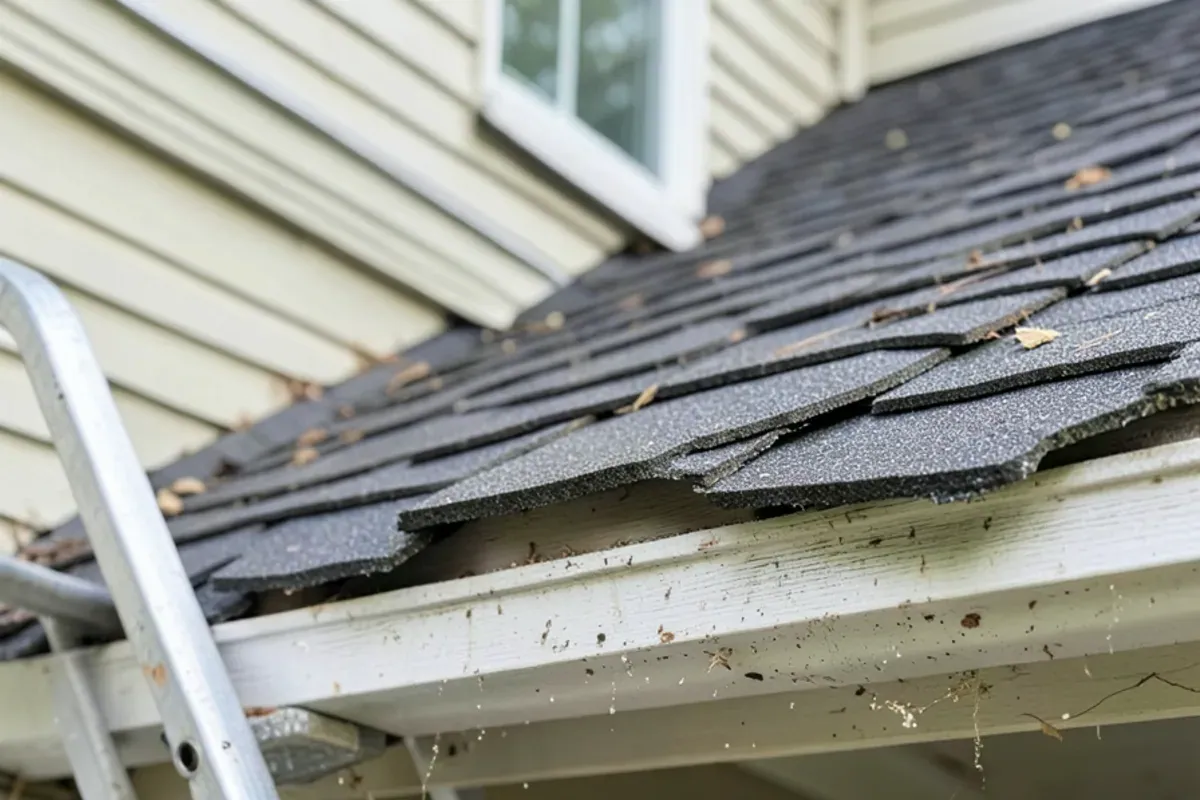
Overlaid roofs are common in older Tarrant County neighborhoods such as Hurst, and in the 1970s and 1980s houses around Irving. For Spanish-speaking homeowners asking whether to encimar tejas o quitar el techo viejo, our answer is the same, and we can explain it in Spanish.
If you are comparing a cheap overlay bid against a tear-off, call (725) 745-8803. We will count your layers during a free inspection and show you what each option really includes.
Questions readers ask
Can a metal roof go over my existing shingles?
How can I tell how many layers my roof already has?
Does shingling over an old roof void the shingle warranty?
Do I need an Irving permit for a tear-off re-roof?
Sources

Written by the RJ Premium Roofing team, a bilingual roofing contractor based in Irving, TX. We inspect, repair and replace roofs across Dallas–Fort Worth and document storm damage for homeowners’ insurance claims.