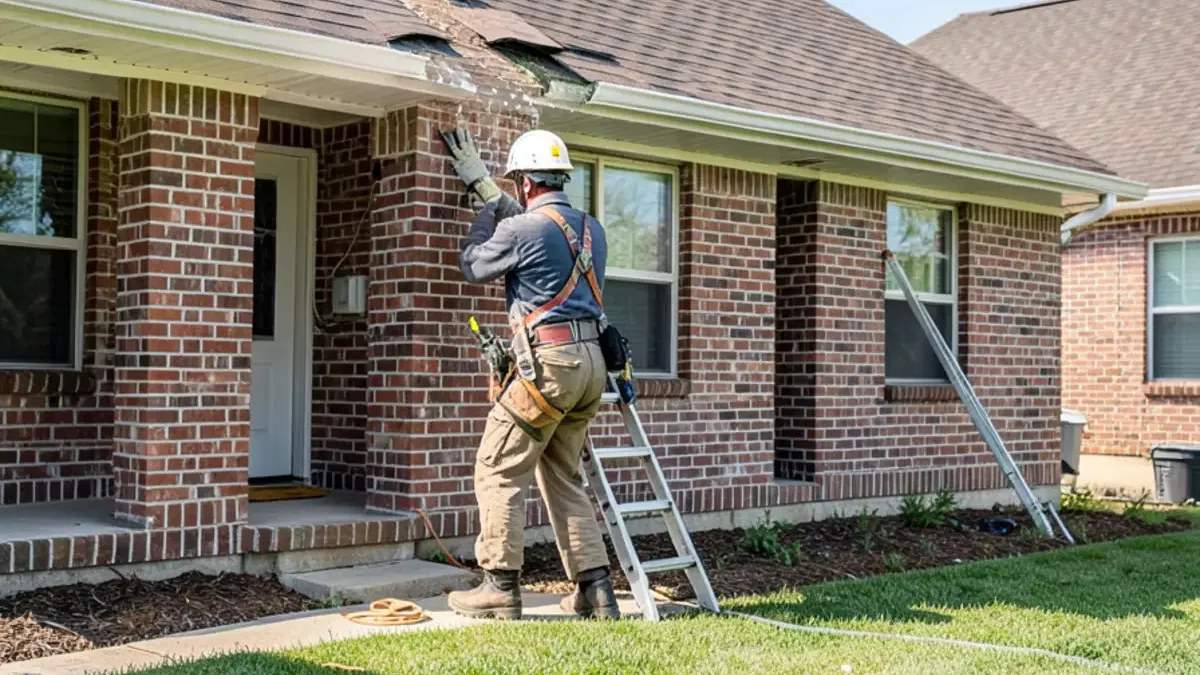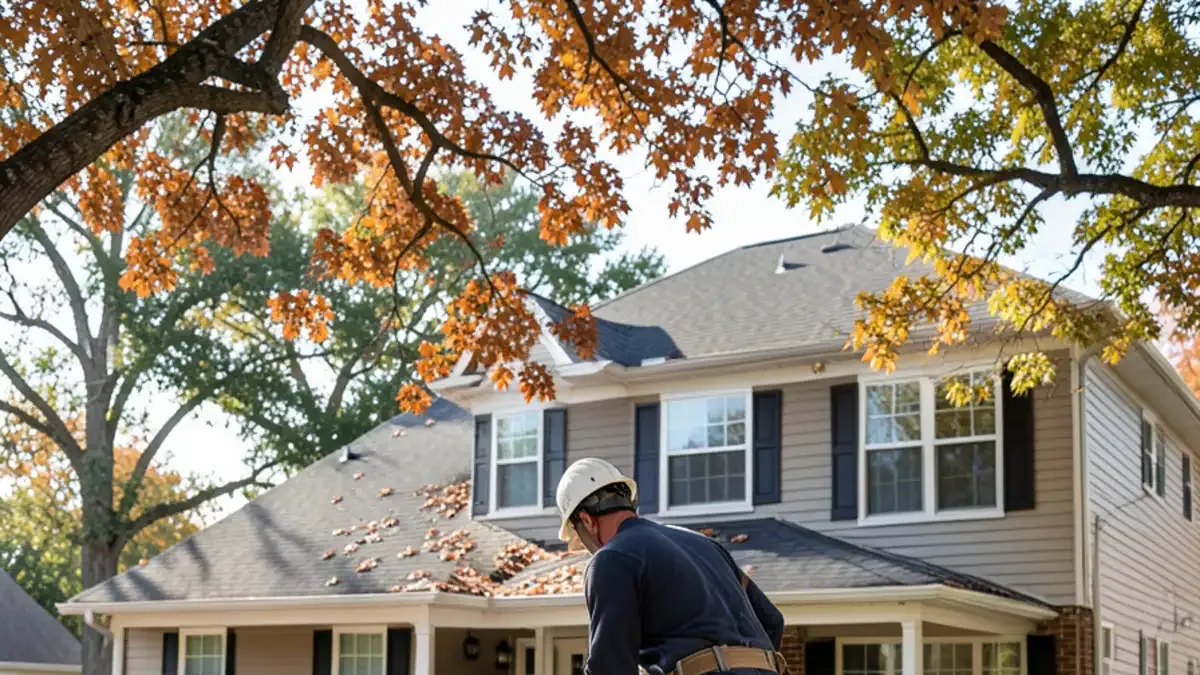
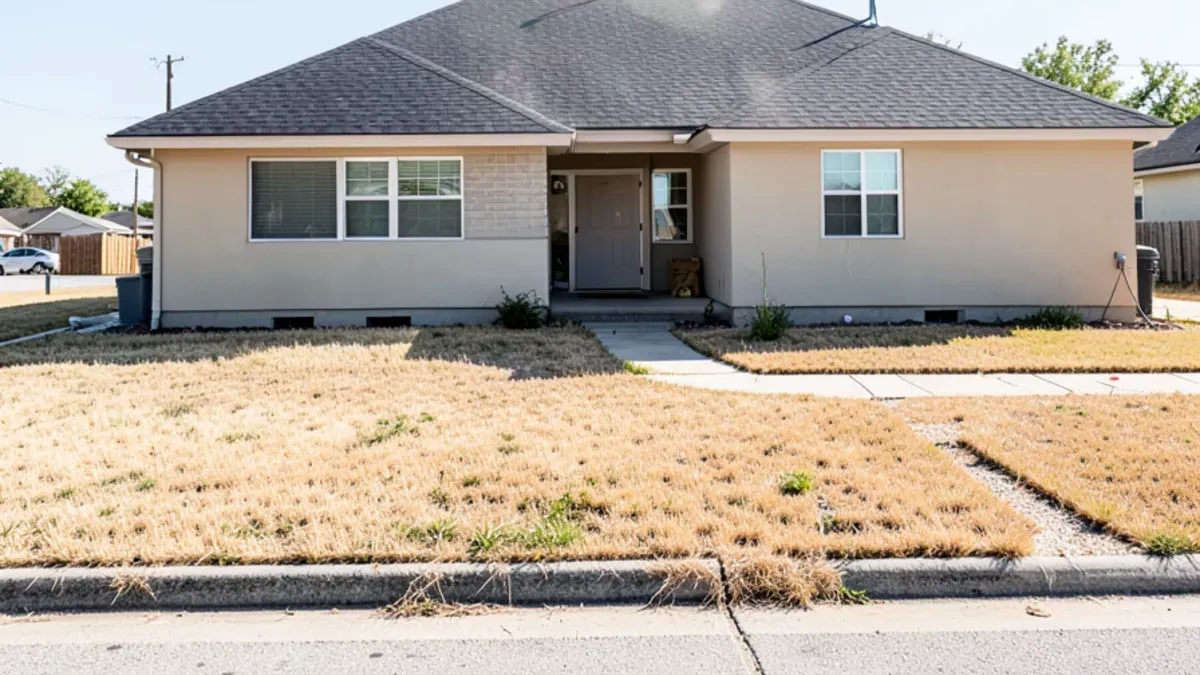
Texas heat roof damage happens slowly: UV light breaks down the asphalt, granules loosen, seal strips weaken, rubber pipe boots crack and attic heat bakes the shingles from below. None of it shows up in one summer, but stacked year after year, it decides how long your roof lasts. Good attic ventilation and yearly maintenance slow it down.
Hail gets the headlines, but the sun works on your roof every single day. In North Texas, summer heat is a slow, steady force that ages shingles, seals and rubber parts long before any storm finishes them off. Understanding how it works helps you decide what to maintain, when to repair and what to expect from your roof's remaining life.
How Hot Does a Roof Get in a DFW Summer?
Irving's July highs average about 95°F, and the city's record stands at 112°F, set in 1980. That's air temperature in the shade. A dark shingle in direct afternoon sun runs much hotter than the air, and an attic without good airflow can trap heat that stays well into the night. Then comes the swing: a pop-up thunderstorm can drop the surface temperature quickly, and the materials expand and contract with every cycle.
What Heat Aging Does to a Roof, Part by Part
| Component | What heat and sun do | What to look for |
|---|---|---|
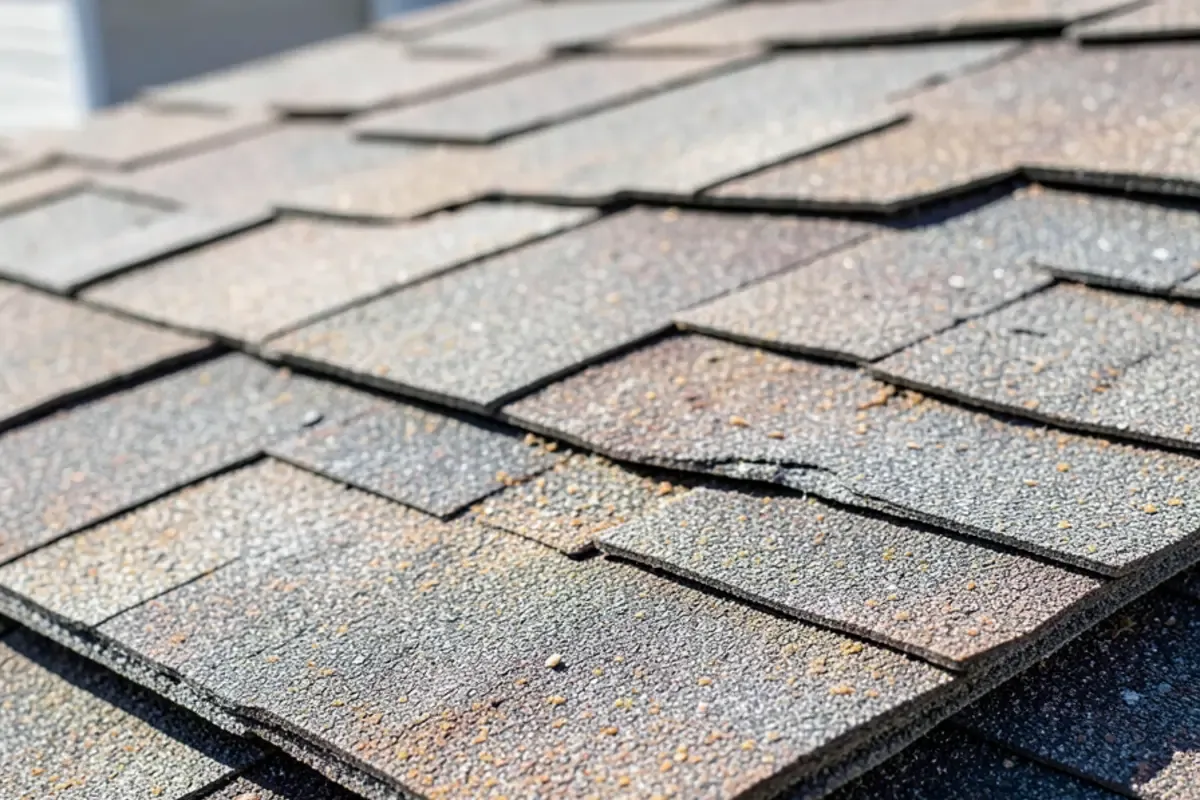
| Asphalt shingles | UV breaks down the asphalt; oils dry out and shingles stiffen | Brittle tabs, curling edges, dull or blotchy color |
| Granules | Bond loosens as the asphalt ages | Granules in gutters, darker patches on sunny slopes |
| Seal strips | Bond weakens over years of cycling | Lifted or flapping edges after wind |
| Pipe boots | Rubber hardens and splits | Cracked collars, gaps around vent pipes |
| Sealant at flashing | Dries, shrinks and pulls away | Cracked caulk at chimneys, walls and vents |
| Decking and attic | Trapped heat and moisture cycle the wood | Sagging between rafters, dark stains |
Sun damage to shingles is usually worst on the south- and west-facing slopes, which take the longest exposure. If you compare slopes from the yard, you'll often see one side looking older than the other on the same roof.
Heat Aging Roof From Below: The Attic Factor
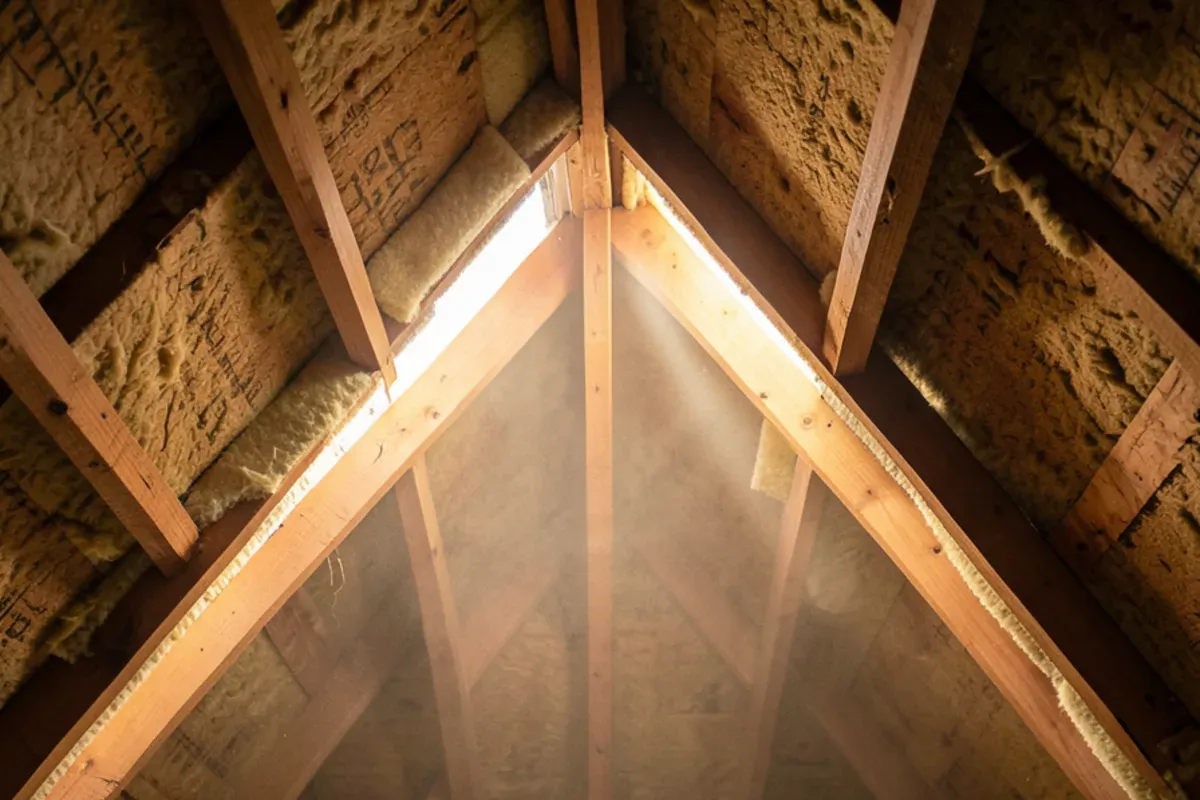
Shingles get baked from two directions. The sun hits from above, and a hot attic radiates up from below. When ventilation is unbalanced, with too little intake at the soffits, blocked vents or mixed exhaust types fighting each other, heat builds under the decking and speeds up shingle aging. You may notice it in your cooling bills too.
Signs your attic is running too hot include a ceiling that feels warm in the evening, an attic that's stifling in late morning, and soffit vents covered by insulation or paint. Fixing airflow is often a modest job compared to what it protects.
Want a roofer to look at it?
Free inspection with photos. Se habla español.
- 5.0 on Google (33 reviews)
- Free inspections & estimates
- Se habla español
- Workmanship guaranteed in writing with every contract
Summer Roof Damage in Dallas: How It Turns Into Leaks
Heat rarely causes a leak on a dry, sunny day. It sets up the leak for later:
- A pipe boot collar cracks in July; the first September storm sends water down the pipe.
- Caulk at a chimney shrinks and splits; wind-driven rain gets behind it.
- Seal strips weaken; a summer gust lifts a row of shingles, and the next rain runs under them.
- Brittle shingles crack when walked on or hit by debris; small holes open in the mat.
That's why we suggest a late-summer check, after the worst heat and before the fall rains. It's also why a roof can look perfect from the street in August and still leak in October: the parts that failed are small, rubber or sealant, and sit in spots you can't see well from the ground.
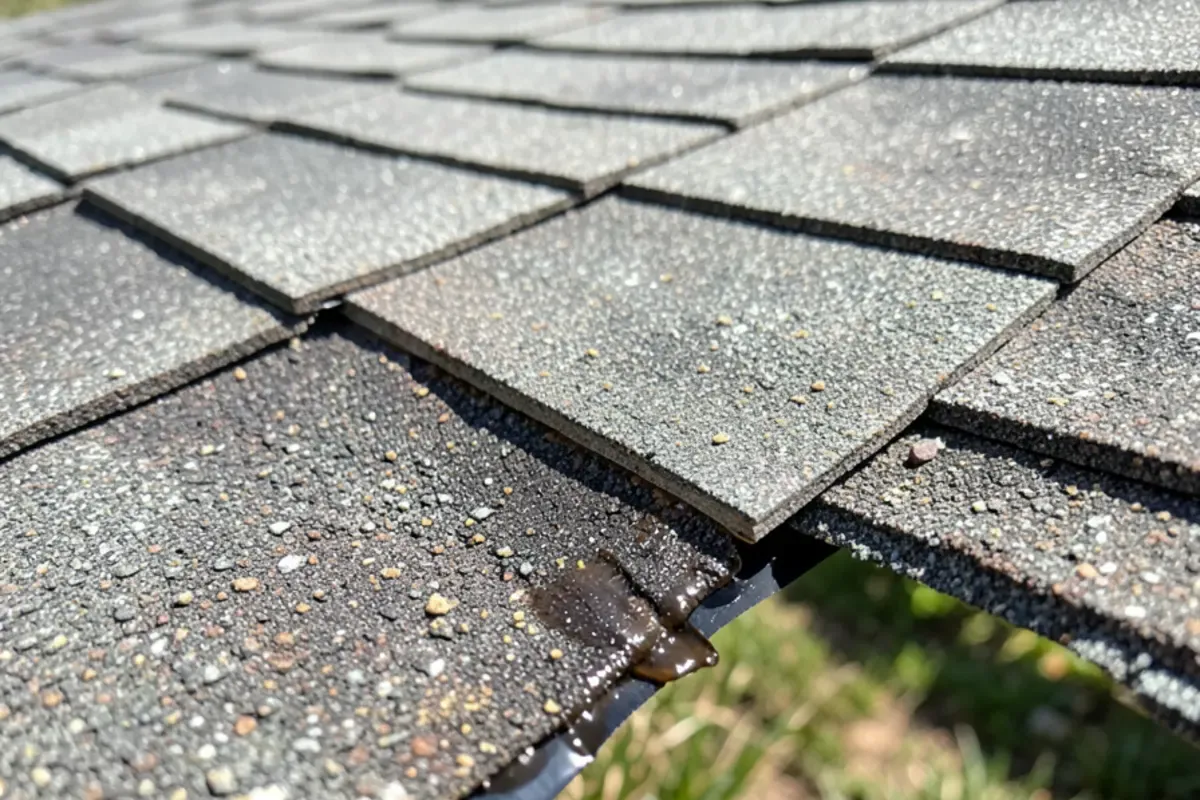
What We See on Roofs After a Long Texas Summer
A big share of Irving houses went up during the 1980s boom (1986 is the median year built, per Point2Homes). Many now wear their second or third roof, and the heat pattern on them repeats. The north slope looks fine. The south and west slopes show granule loss and curling. Pipe boots are cracked even though the shingles have years left. Seal strips along the rakes have let go, so the edges lift in wind. None of that means the roof is finished, but it does mean the parts that heat attacks first need attention before the shingles do.
The fixes come with honest trade-offs. Owners often ask about powered attic fans. On a house with plenty of soffit intake they can move heat, but on one with blocked or undersized soffits they can pull cooled air out of the living space through ceiling gaps, and mixing them with a ridge vent can short-circuit the airflow. We usually recommend fixing intake first and choosing one exhaust type. Lighter shingles help with heat, yet they show streaks and dirt sooner and must still fit HOA lists. And resealing a few flashing details buys time on a roof with good shingles, but it is not worth much on one that is brittle on every slope.
The same holds in Grand Prairie, which stretches across three counties down to Joe Pool Lake, and in Irving neighborhoods we serve as a roofing company in Irving, TX. Wide-open lots with few mature trees get the full afternoon sun, and roofs there show it.
Should You Replace a Roof in the Middle of a Texas Summer?
It works, and it has a few quirks worth knowing. Shingle seal strips are activated by warmth, so a roof installed in July bonds down quickly, while one installed on a cold January week may take longer to seal fully. Heat cuts the other way for the crew and for the product: asphalt softens in afternoon sun, and boots, knees and dragged bundles can scuff granules off new shingles.
Good summer installs follow a few habits:
- Start at first light and finish the heaviest work before the hottest hours.
- Stage bundles along the ridge so they are not slid across finished courses.
- Keep foot traffic on fresh slopes to the minimum the job needs.
- Check that ventilation upgrades go in with the roof, since a new roof over a starved attic starts aging on day one.
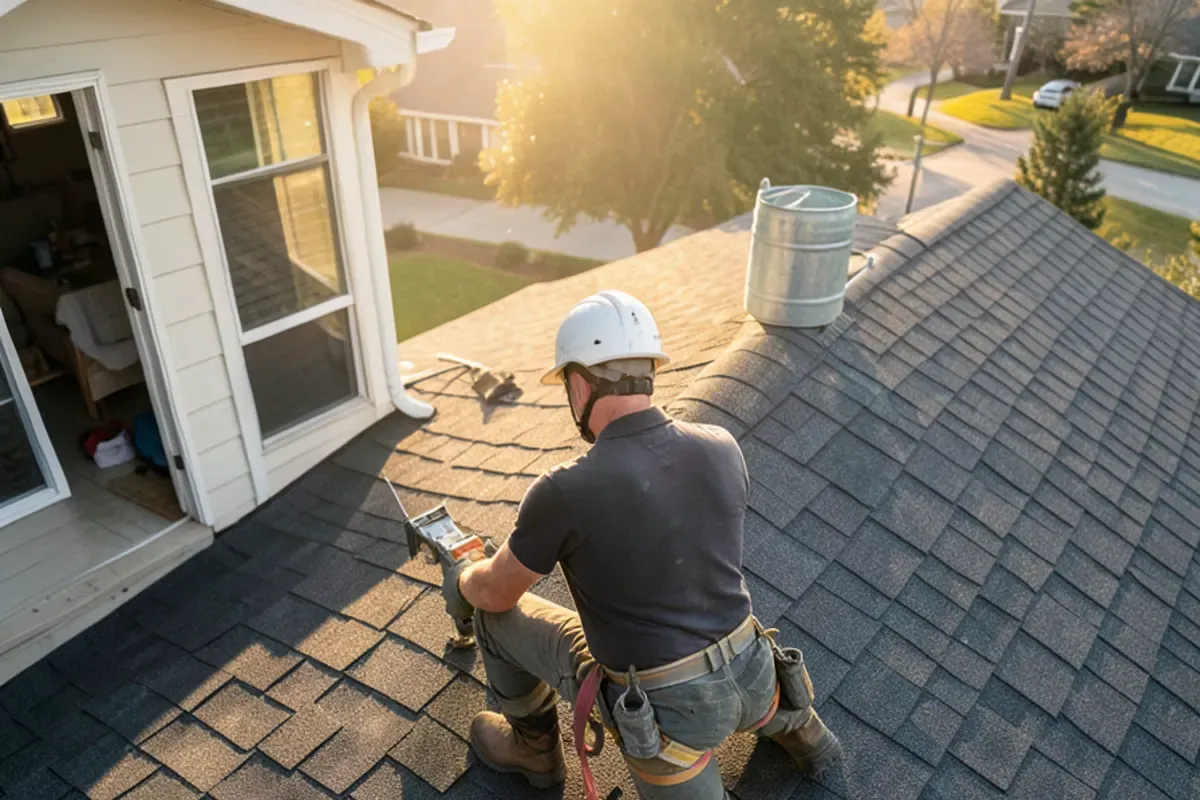
If you have a choice of dates, spring and fall are easier on everyone. If the roof is already leaking or curling badly, the season matters far less than getting it replaced.
What Slows Heat Damage Down
- Balanced attic ventilation: clear soffit intake and one consistent exhaust type at the top.
- Adequate attic insulation to keep living-space heat and attic heat separate.
- Yearly roof maintenance: boot replacement, resealing of flashing details and re-securing lifted edges before they become leaks.
- Lighter or reflective shingles at replacement time, where they fit your home and any HOA rules.
- Prompt roof repair when cracked boots or lifted shingles show up, before water reaches the decking.
Calor daña el techo poco a poco; le explicamos qué revisar en español.
A Summer-End Check Pays Off
Heat damage is predictable, which means it's manageable. If your roof has been through several Texas summers, call (725) 745-8803 to schedule a free late-summer inspection. We'll check the boots, flashing, seal strips and attic airflow and give you a clear list of what heat has done so far.
Questions readers ask
Do lighter-colored shingles really last longer in Texas heat?
Can summer heat alone cause a roof leak?
Is it a bad idea to replace a roof during a Texas summer?
Sources

Written by the RJ Premium Roofing team, a bilingual roofing contractor based in Irving, TX. We inspect, repair and replace roofs across Dallas–Fort Worth and document storm damage for homeowners’ insurance claims.