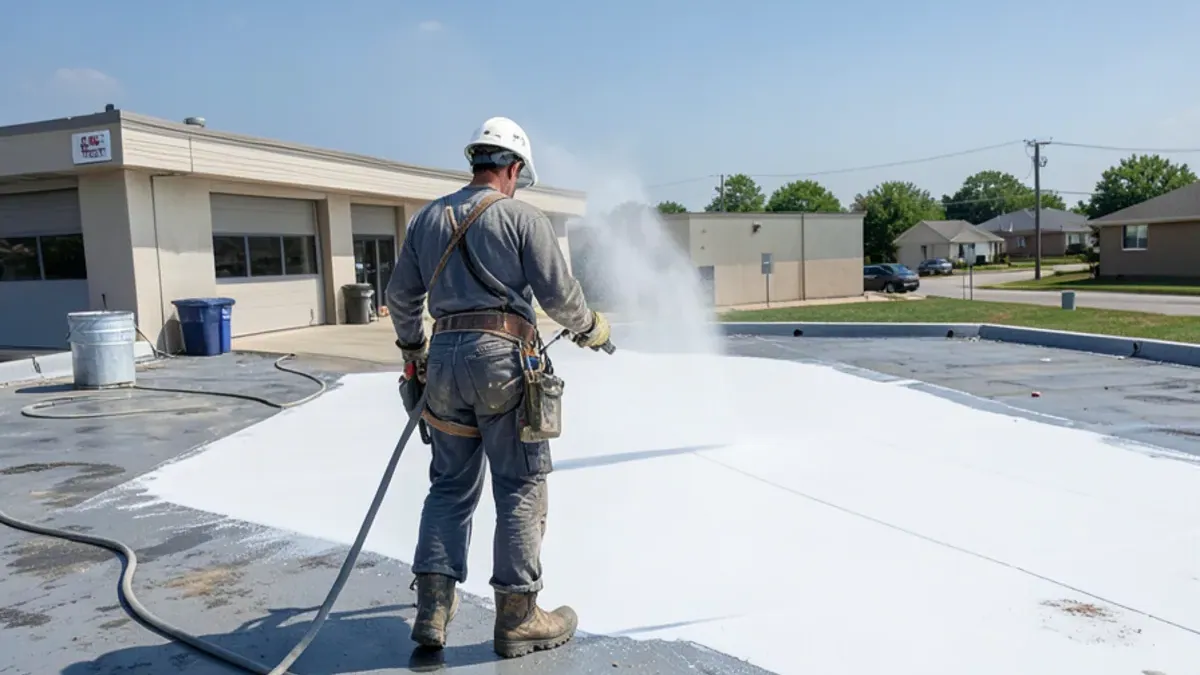
Coatings are one of the restoration options inside our commercial roofing in Irving work, and they are the option most often sold to the wrong building. A coating is a liquid membrane rolled or sprayed over an existing roof. Applied over a sound, dry roof, it seals, reflects heat and buys time before a replacement. Applied over wet insulation, it seals the water in. Everything on this page starts from that difference.
Core cuts and moisture surveys: is your roof a coating candidate?
Owners usually start asking about coatings when the roof is showing age but not yet failing: chalky or crazed single-ply, modified bitumen shedding granules, built-up roofs with dry, alligatored asphalt, or metal panels with surface rust at laps and screws. Irving's sun drives most of that wear, with July highs near 95°F and a record of 112°F, and a top floor that runs hot every afternoon is often the first complaint. Before we quote a coating, we find out what is under the surface.
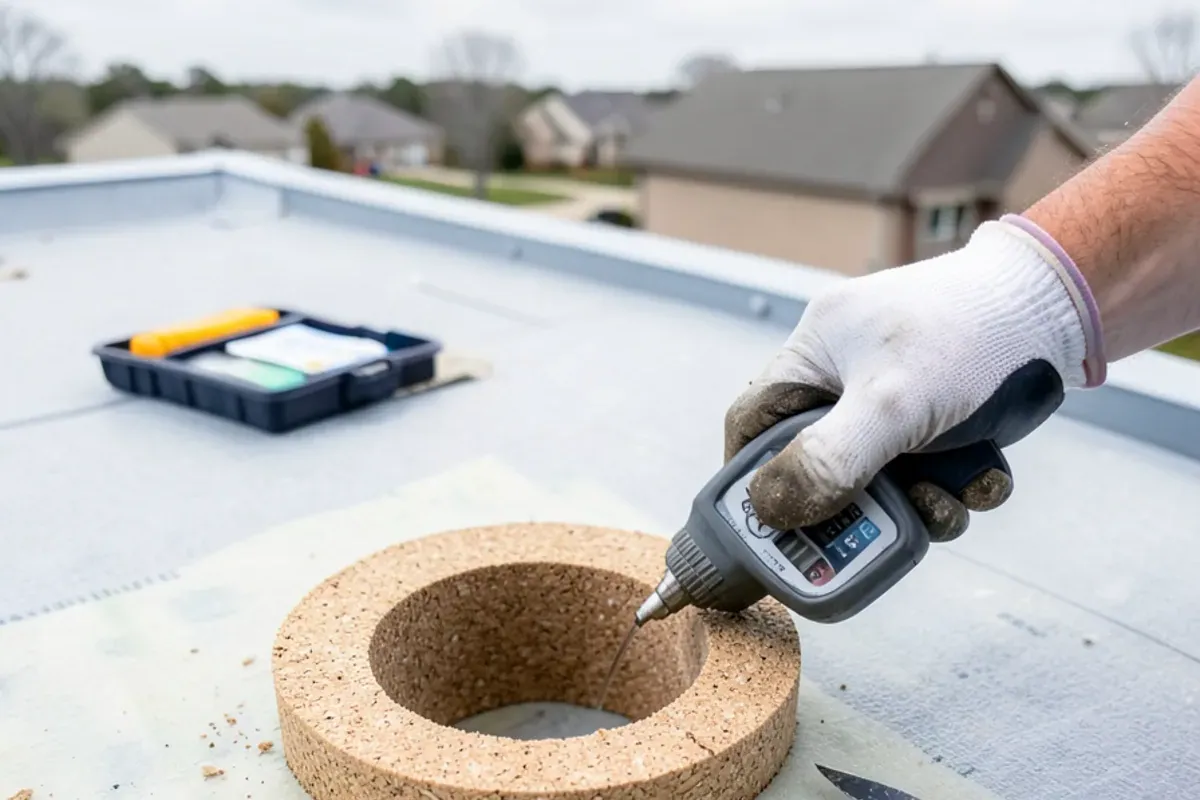
- Core cuts. Small round samples cut through the roof show every layer and whether insulation is dry, damp or saturated. Each hole is patched right after the sample comes out.
- Moisture survey. On larger roofs, an infrared, capacitance or similar survey maps wet areas across the whole roof, so the decision does not rest on a few cores.
- Adhesion and condition. We check that the existing membrane or metal is attached, that seams are holding, and that the surface will accept a primer or coating.
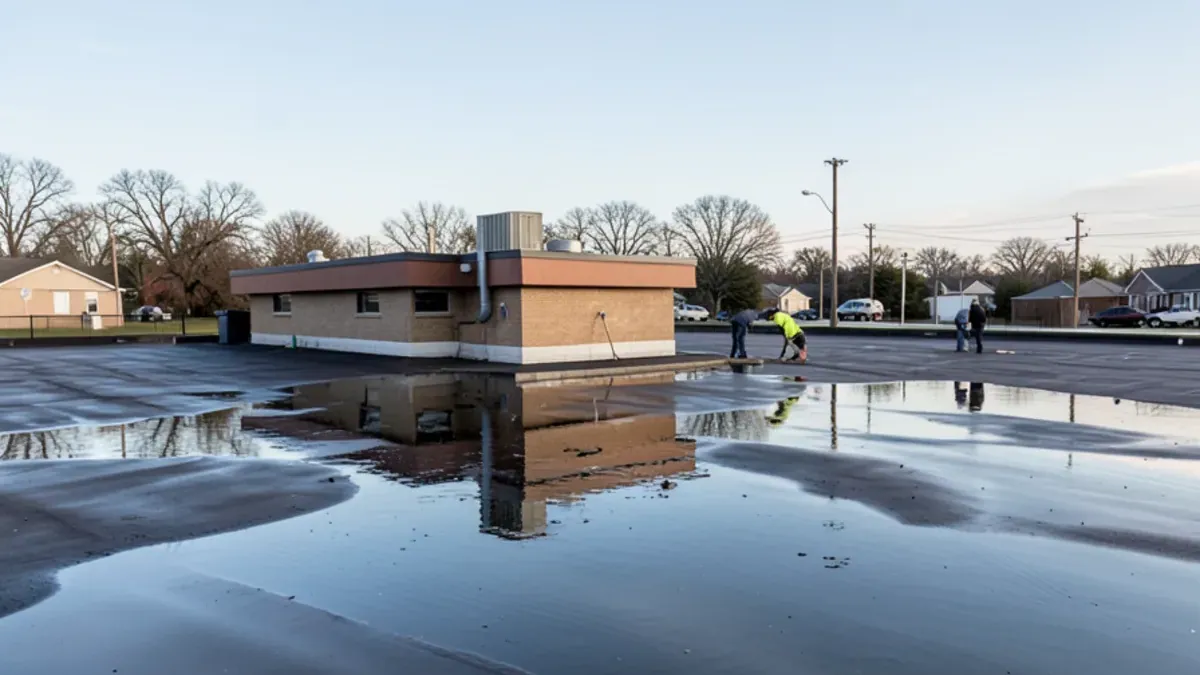
- Drainage. Long-standing ponds are corrected or planned for before coating.
If wet areas are limited, they are cut out and replaced with dry insulation and membrane, then coated. If they are widespread, a coating is the wrong spend and we say so; replacement or a recover is the honest answer.
Silicone roof coating in Dallas heat and ponding
Silicone is the coating we reach for most often on low-slope roofs in North Texas. It holds up well to ultraviolet light and handles occasional ponding better than water-based coatings. It is usually applied in one or two passes, sprayed or rolled. Two trade-offs: silicone collects dirt, which lowers its reflectivity over time, and in practice only silicone bonds well to silicone, so future recoats will be silicone too.
Acrylic and other elastomeric roof coatings
"Elastomeric" describes any coating that stretches and recovers as the roof expands in heat and contracts on cold nights. Acrylics are water-based, reflective and generally lower cost, and they are a good fit on well-drained roofs and metal. They need dry weather and moderate temperatures to cure, and they do not belong under standing water. Polyurethane coatings are tougher against foot traffic and impact and are sometimes used as a base coat or on high-traffic areas. We choose the system for your roof surface, slope and use, not the other way around.
Questions about roof coatings? Talk to us.
Call for a free inspection and a written estimate. Hablamos español.
- 5.0 on Google (33 reviews)
- Free inspections & estimates
- Se habla español
- Workmanship guaranteed in writing with every contract
Metal roof coating over R-panel and older metal buildings
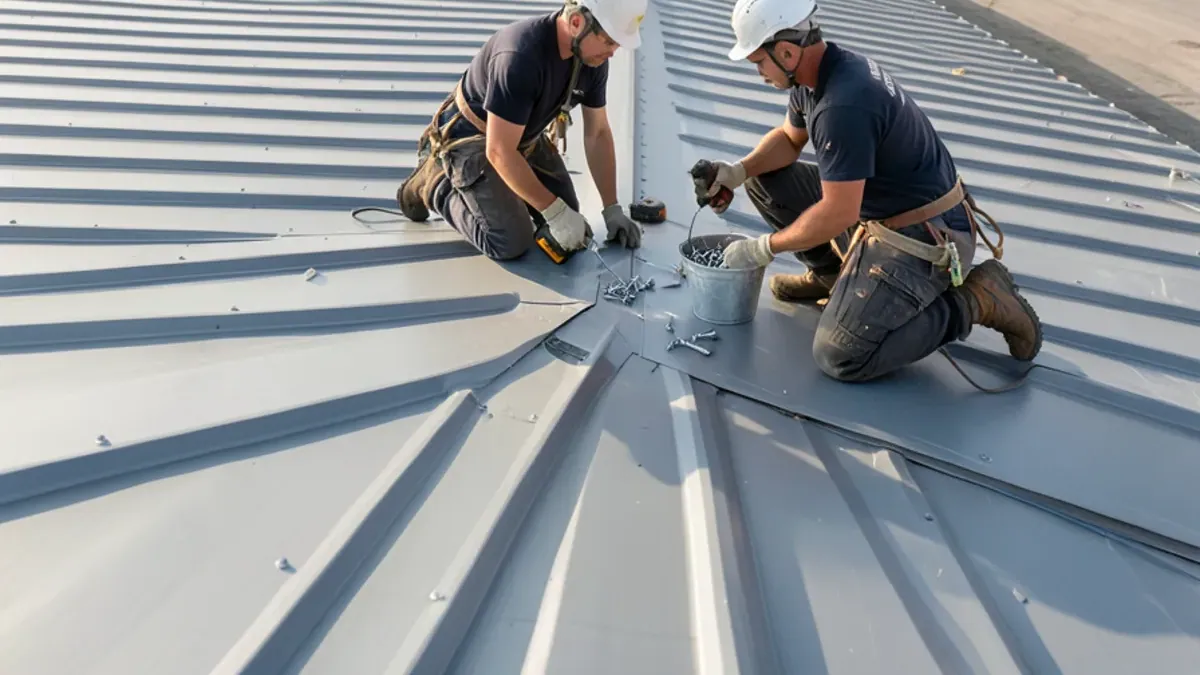
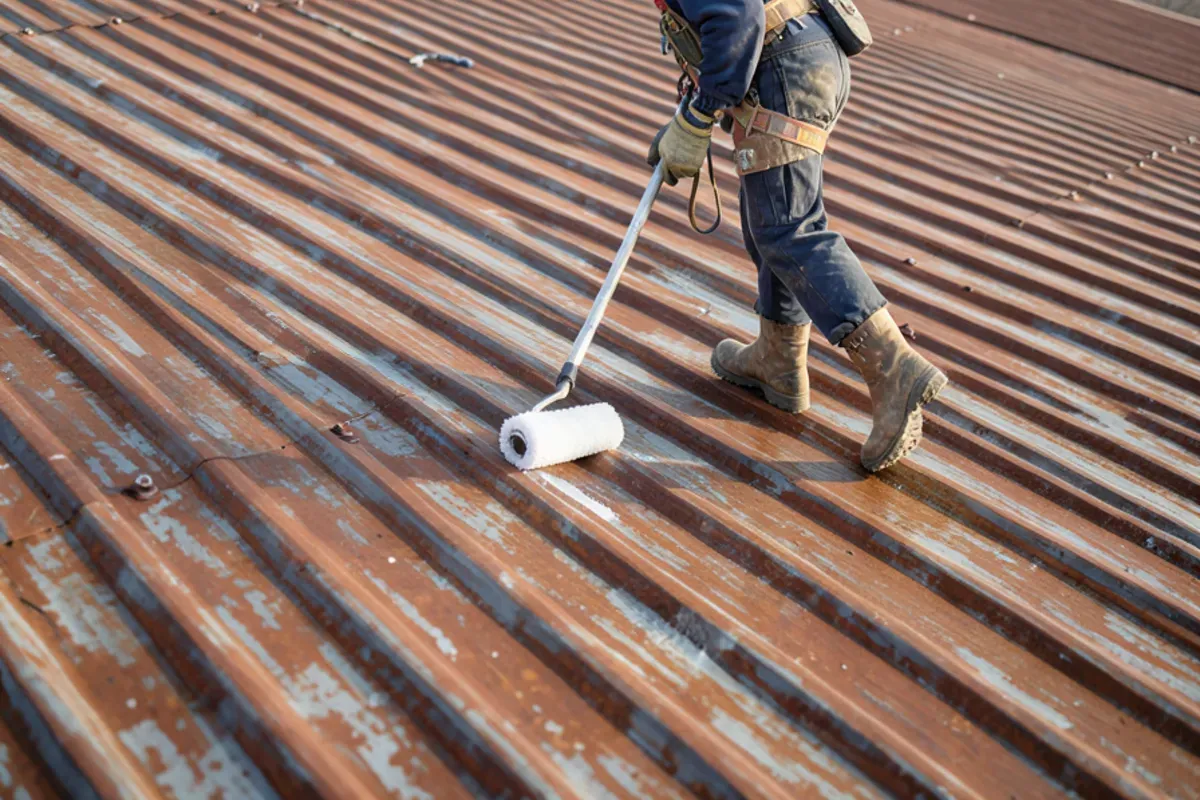
Metal buildings along Irving's SH 183 corridor often have exposed-fastener panels with worn screw washers and light rust. A coating can restore them if the panels are still structurally sound. The surface is cleaned, rust is treated and primed, fasteners are tightened or replaced, and seams, laps and screw heads are sealed before the field coat goes on. Panels rusted through need replacing first; our commercial metal roofing page covers that work.
How a roof restoration coating goes on
- Inspect and test. Roof walk, core cuts and moisture survey recommendations; a written report of findings.
- Repair. Wet insulation and failed membrane are replaced; blisters and splits are repaired.
- Clean and prime. The roof is pressure-washed and allowed to dry, because dirt and chalk prevent adhesion; some surfaces then need a primer, and some get an adhesion test patch first.
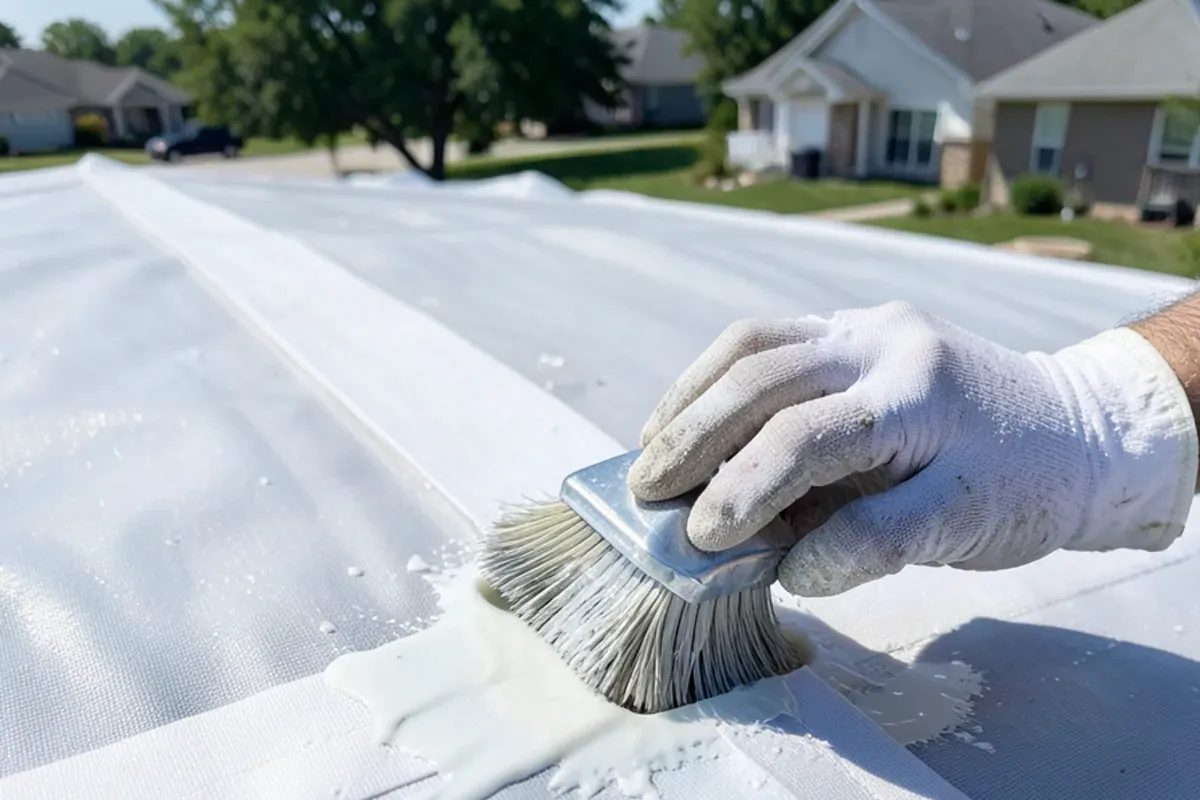
- Reinforce details. Seams, flashings, penetrations and drains get fabric set in coating.
- Apply the field coat. Coating is sprayed or rolled in passes, with wet mil checks to confirm thickness.
- Final review. We walk the roof with you and hand over photos, thickness records and warranty paperwork.
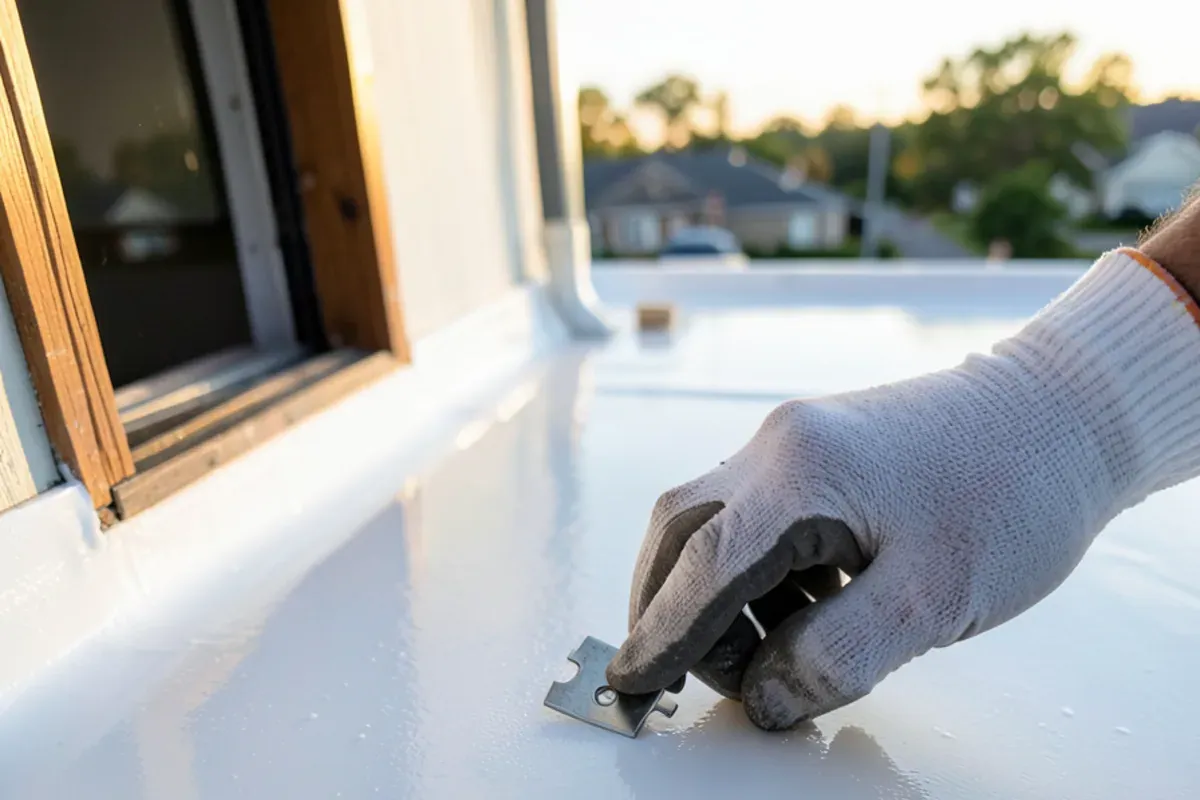
Roof coatings in Irving, TX: what's included and what drives price
What every coating proposal lists
A coating is only as good as the preparation under it, so the proposal spends more lines on prep than on the coating itself. It tells you exactly which areas tested wet and will be cut out, how the roof will be cleaned and whether it needs primer, and which details get fabric reinforcement. It names the coating chemistry and the dry thickness in mils, because thickness drives both service life and the manufacturer coverage the system can qualify for. Weather matters here too: acrylic needs warm, dry days to cure, so a spring proposal may plan around May rain. Each proposal lists:
- core and moisture findings, with a marked roof plan of areas to cut out and replace
- cleaning method, primer and adhesion test results
- fabric reinforcement at seams, flashings, penetrations and drains
- coating type, number of passes and specified dry thickness
- wet mil checks recorded during application
- the manufacturer coverage the applied system qualifies for, and our written workmanship terms
What drives the price of a roof coating
Price is driven by roof size, how much wet material must be replaced first, the condition of seams and flashings, coating type and thickness, rooftop equipment, and access. We do not publish coating prices; every estimate is free and itemized.
Wet material is the biggest unknown, which is why the survey comes first: a roof that is 5% wet and a roof that is 25% wet are different projects. Silicone generally costs more per gallon than acrylic, and a thicker specification uses more of it. Metal roofs add rust treatment and fastener work before any field coat. A roof crowded with curbs, vents and pipe stands needs far more detail work than an open warehouse roof, and a roof reachable only by interior hatch adds handling time. Timing can move the number too: acrylic needs dry, mild days to cure, so a project squeezed between May storms may need extra mobilizations, while silicone tolerates a wider weather window.
Will a cool roof coating in Texas cut cooling bills?
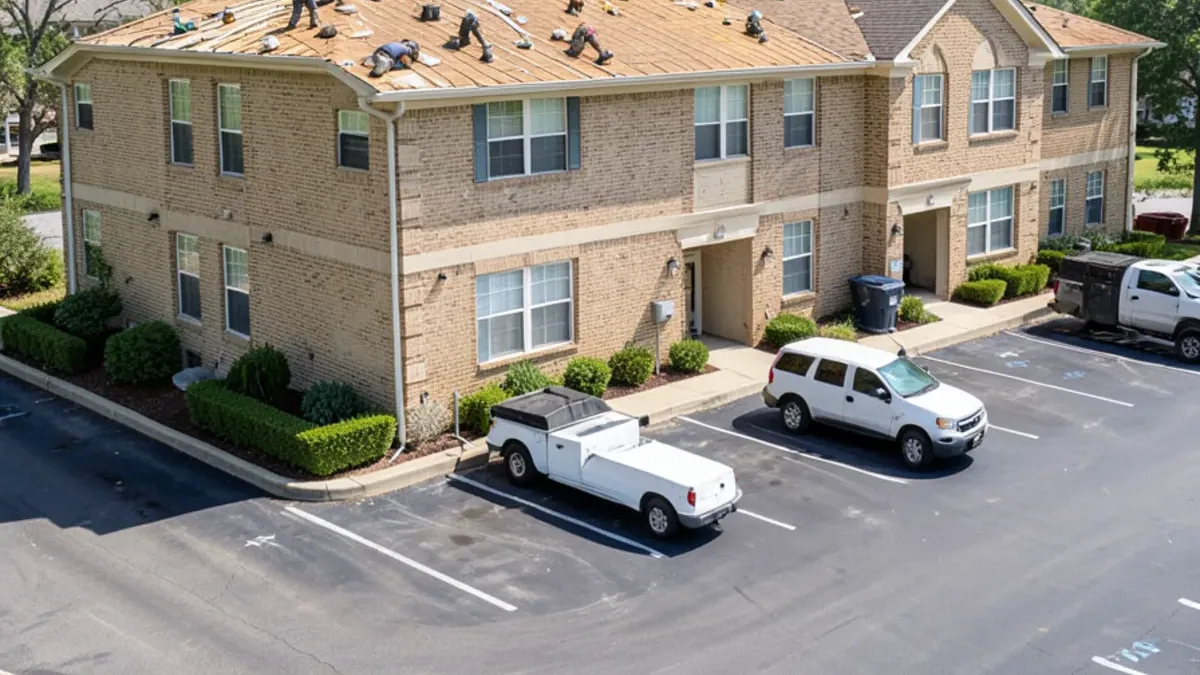
It can help. A bright white coating reflects sunlight that a dark roof would absorb, lowering roof surface temperature and the heat flowing into the space below. The effect is biggest under thinly insulated roofs, in warehouses, and on top floors of apartment buildings, which is why multi-family roofing owners ask about coatings for flat sections and breezeways. Irving's own code sets a solar reflectance index of 78 for low-slope roofs under its Chapter 8B amendments; when a project triggers that rule, we check the coating's rated SRI against it.
Permits, cool-roof rules and registration in Irving
How the City of Irving treats a coating depends on the scope. A straight restoration coat is often handled differently from a project that also replaces wet insulation and membrane, which can look more like a reroof, so we put the question to Irving's inspections staff, (972) 721-2371, before scheduling. Where the city treats the work as a low-slope reroof, the SRI 78 minimum in its Chapter 8B amendments applies to the finished surface. Texas runs no statewide license program for roofers (TDLR does not cover the trade); Irving instead requires contractors to hold an annual registration, which is worth asking any coating bidder about.
Why RJ Premium Roofing for recubrimiento de techos
- A free inspection with core results in writing, including a straight answer when a coating is not the right call.
- Spanish and English for owners, managers and maintenance staff.
- Clean work: Google reviewers note crews that cleaned up after the job.
- Storm documentation if hail is why you are pricing a coating: dated photos, a written damage report, and us on the roof when the adjuster visits.
- A 5.0 rating across 33 Google reviews.
We guarantee the application workmanship; your contract carries those terms in writing. The coating manufacturer covers the material, and its coverage depends on the system and thickness applied. We serve owners in Grand Prairie, Arlington and Carrollton as well as Irving.