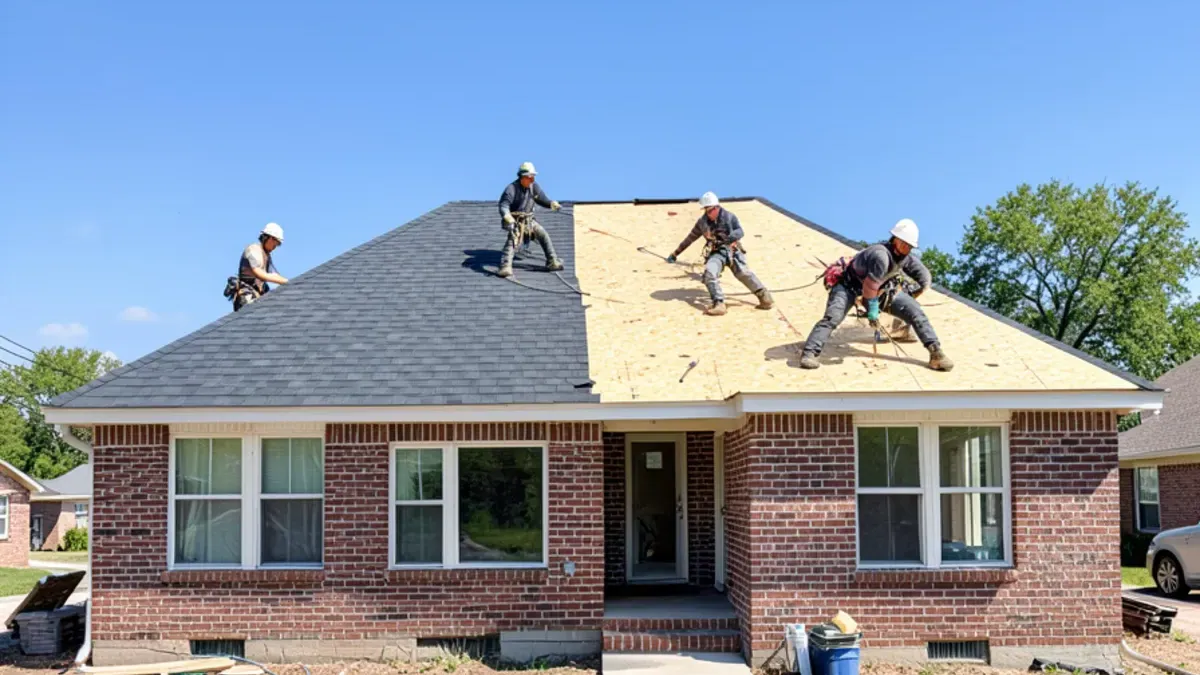
Re-roofing older homes in Irving usually means more than new shingles. Ranch houses from the 1950s through the 1970s often hide plank-style skip sheathing, two or three layers of old roofing, missing drip edge and vents that never balanced, so the estimate should plan for decking, ventilation and flashing work as well as the roof covering.
An older Irving house can be the best-built home on the street and still have the most complicated roof. Decades of patches, add-ons and second layers pile up, and most of it stays hidden until tear-off. Here is what we expect on a mid-century ranch and how to plan for it.
Why re-roofing older homes in Irving is different
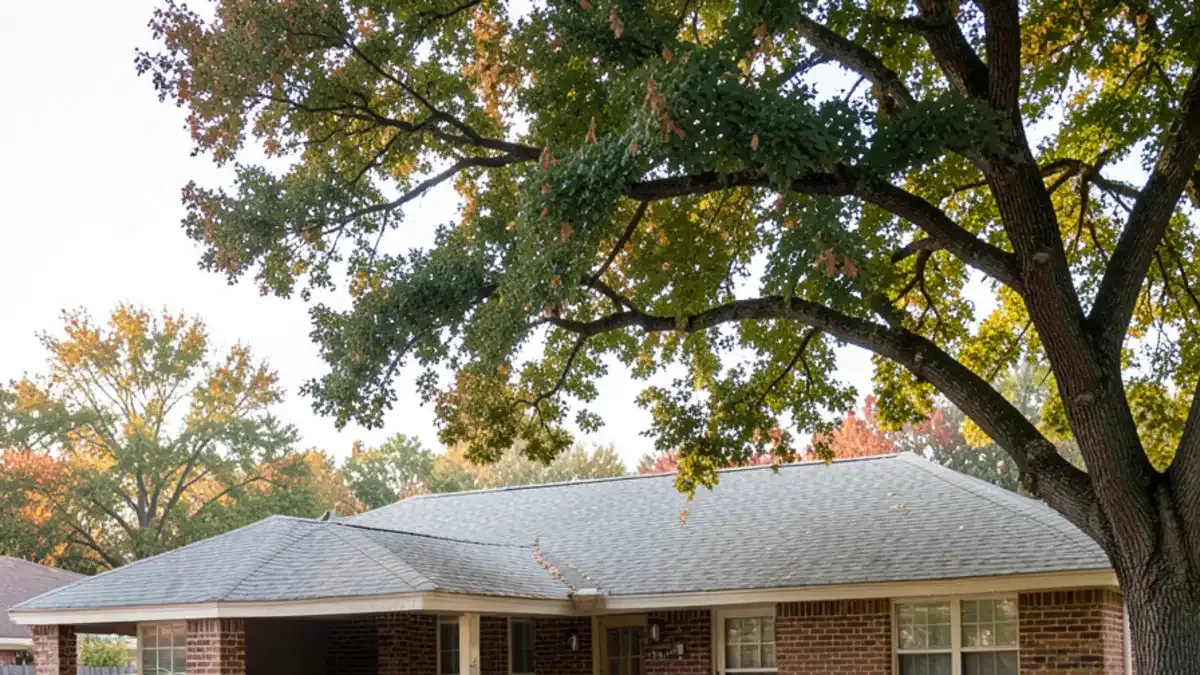
Irving grew quickly in the decades after World War II, and the older neighborhoods in the center and south of Irving are full of long, low brick ranch homes from that era. The city as a whole skews younger: Point2Homes puts the median Irving home's build year at 1986. That means the 1950s through 1970s houses are the outliers, and they behave differently on the roof.
What sets them apart:
- roof decks built from spaced planks rather than plywood sheets
- low pitches, which shed water more slowly
- additions and enclosed patios tied into the main roof at even lower slopes
- original vent layouts that never planned for balanced airflow
- chimneys and walls flashed with methods no longer used
Skip sheathing roof decks: what plank boards mean for new shingles
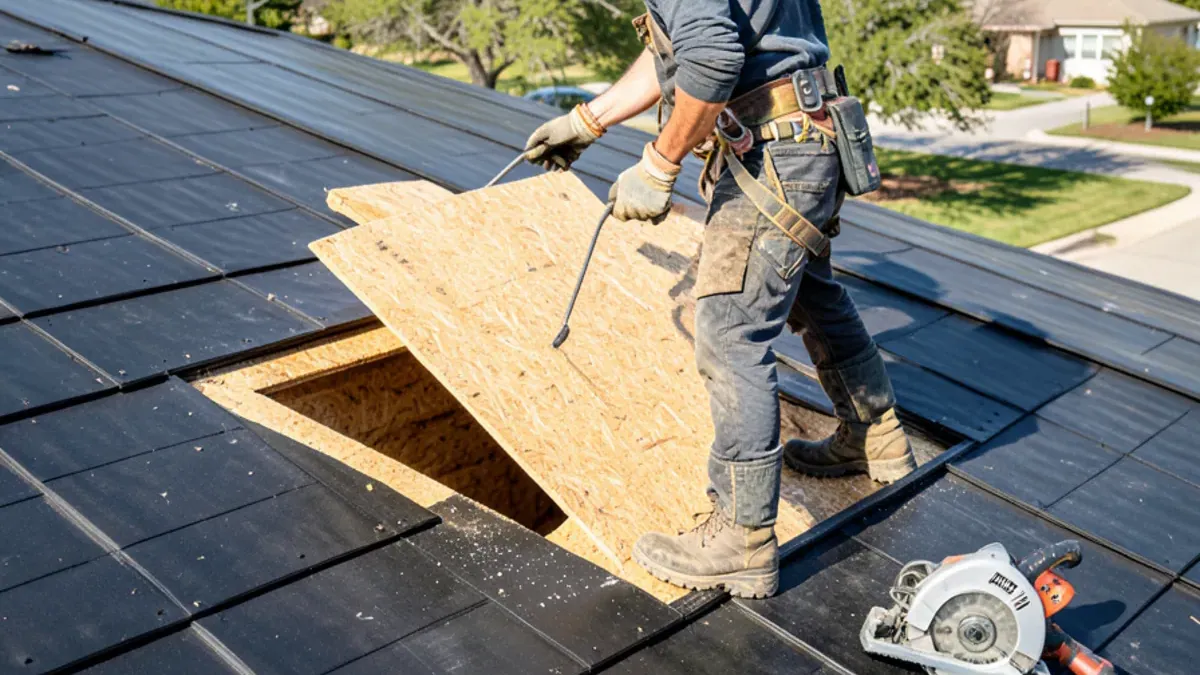
Many older homes were first roofed with wood shakes or shingles laid over spaced boards, known as skip sheathing. The gaps let wood shingles breathe. Asphalt shingles need a solid surface for every nail, so spaced boards must be covered with plywood or OSB before a new roof can be installed. Some houses were later roofed over those planks without new sheathing, and the shingles show it as waviness or nails that never held.
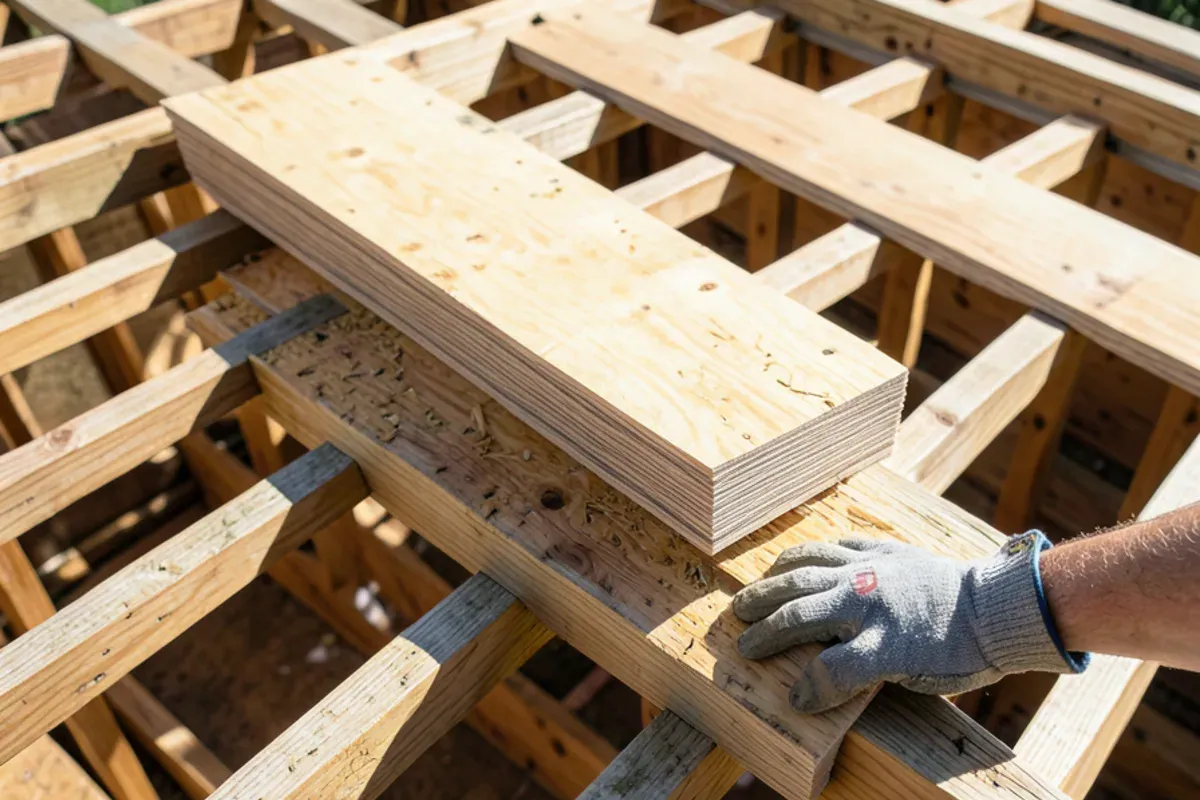
When we find skip sheathing, the fix is a full layer of new sheathing fastened to the rafters, part of our roof decking replacement work. It adds cost, so a fair estimate on an older house should say up front whether we expect it.
Multiple shingle layers and what they hide
Second and third layers were once a cheap way to re-roof. On older houses we routinely find two layers, sometimes three. Each one adds weight, traps heat and hides the deck. They all come off on a proper roof replacement, down to the wood, so the decking can be checked and new flashing installed against bare surfaces.
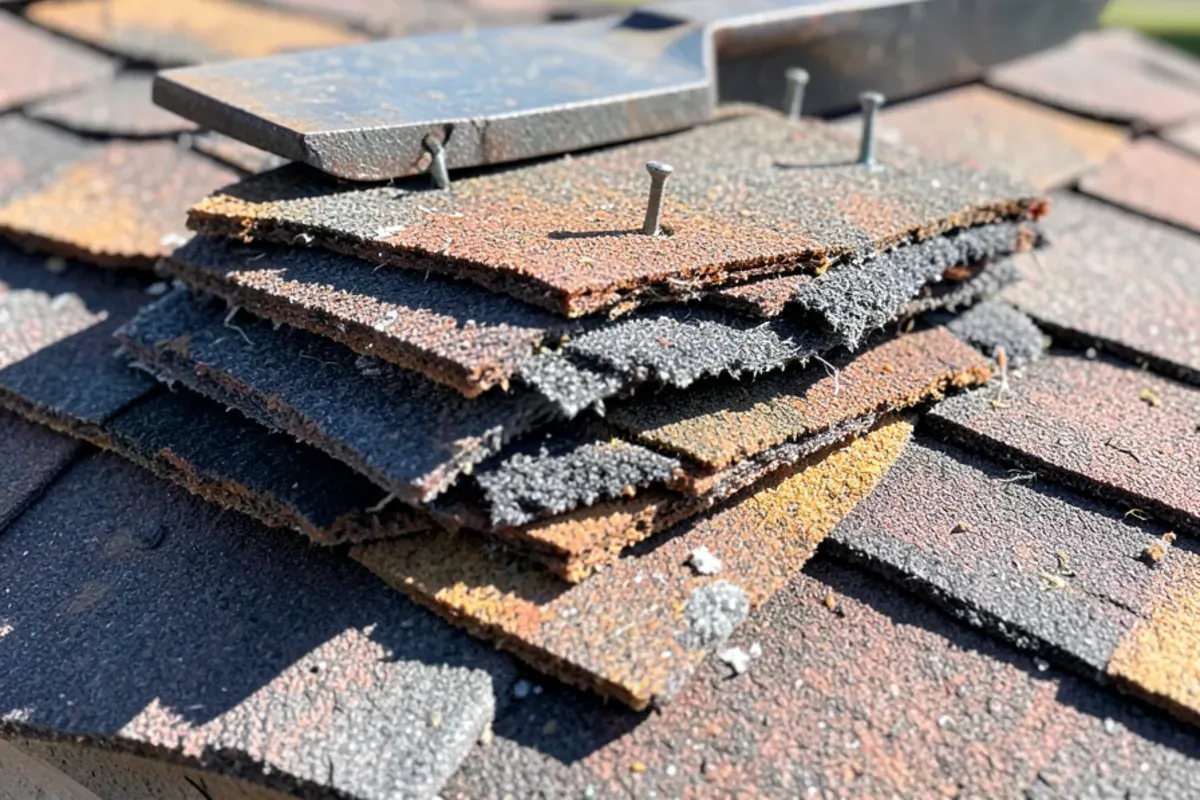
Very old roofing materials can occasionally contain asbestos, particularly certain older felts and cement-based shingles. If something on your roof looks unusual, it should be tested before removal; the EPA explains how.
Want a roofer to look at it?
Free inspection with photos. Se habla español.
- 5.0 on Google (33 reviews)
- Free inspections & estimates
- Se habla español
- Workmanship guaranteed in writing with every contract
What a 1960s ranch roof needs beyond shingles
A new roof on an older house is the moment to correct what the original build never had:
| Item | What we usually find | What a re-roof should include |
|---|---|---|
| Drip edge | Missing or rusted | New metal at eaves and rakes |
| Ventilation | Gable vents plus a turbine or two | One balanced system with soffit intake |
| Low-slope additions | Shingles on a pitch too flat for them | A low-slope membrane where the pitch requires it |
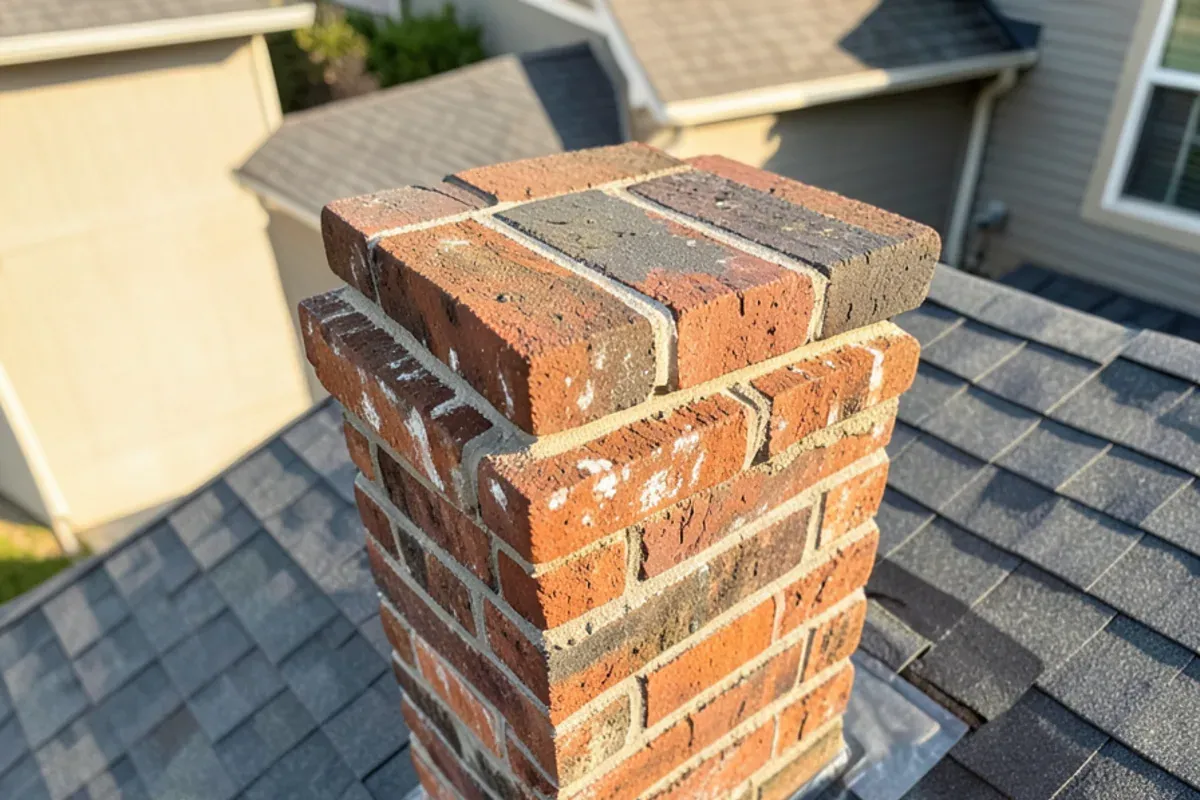
| Chimney flashing | Metal set into old mortar or caulked over | New step and counterflashing |
| Fascia and eaves | Soft wood behind old gutters | Repairs before new drip edge goes on |
| Pipes and vents | Lead or cracked rubber boots | New boots, painted to match if you like |
Can you add one more layer instead of tearing off?
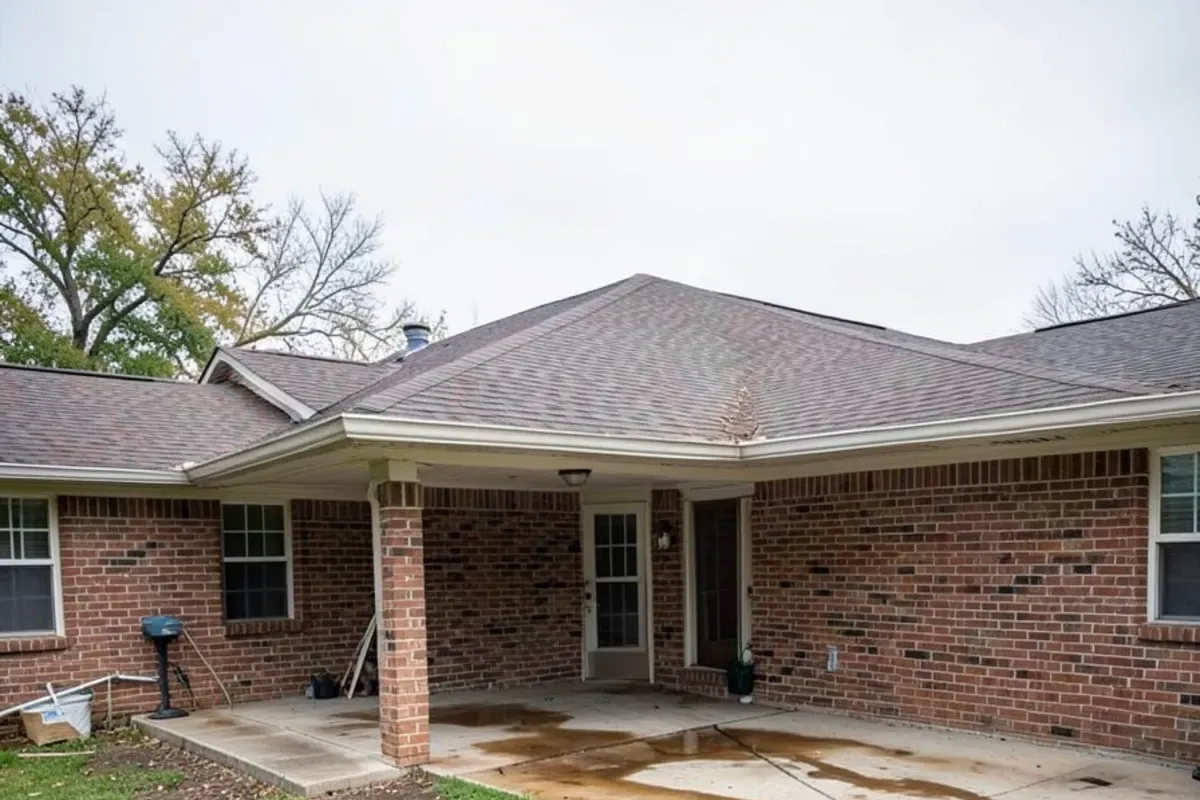
Not on most older Irving houses. Under the International Residential Code, which Irving adopts with local amendments, a third layer is off the table: recovering is barred once a roof carries two or more layers, and also when the existing roof is soaked or rotting. Since many mid-century homes already carry two layers, the decision is often made by the code before anyone looks at price.
Even on a house with a single old layer, an overlay hides exactly what an older roof most needs checked: plank decking, soft fascia and flashing set into old mortar. New shingles laid over a wavy, gapped surface also telegraph every dip. Our post on overlay vs. tear-off roofing in Texas covers the general trade-off; on houses of this age the answer is almost always a full tear-off.
How we plan a re-roof on an older house
- Inspect the attic first, looking for plank decking, old stains and the rafter layout.
- Count layers at the eave and note low-slope sections and additions.
- Write the estimate with decking, low-slope areas and ventilation as separate lines.
- Confirm the permit. Irving requires one for a re-roof, and local contractors describe a 25% rule for large repairs; confirm both with the city.
- Tear off, show you the deck, then sheathe, dry in and install.
Timing is the other thing to plan for. A simple single-layer roof can go quickly, but an older house with three layers, plank decking and a low-slope addition often takes longer than a newer home of the same size. We say so at the estimate so you can plan around noise, parking and the dumpster. If the attic holds stored belongings, cover them before tear-off; old roofs shed a surprising amount of dust and debris through plank gaps.
What we find on older Irving roofs
The most common surprise is not rot but improvisation: a patio cover shingled at almost no pitch, a turbine added next to an old gable vent, or a chimney sealed with layers of caulk instead of flashing. None of it is unusual for a house that has seen several owners.
Those finds lead to real choices, and each has a trade-off. A low patio addition can get a membrane that suits its pitch, which works well but looks different from the main roof, or it can be reframed to a shingle-friendly pitch, which matches but costs more and may need its own review by the city. Replacing a mix of gable vents and turbines with one balanced ridge-and-soffit system usually helps the attic, yet a house with boxed-in or very shallow soffits may not have room for enough intake, and then we say so rather than install a ridge vent that cannot breathe. Full re-sheathing over planks is the biggest added line, and we show you the gapped boards at tear-off before that work goes ahead. The same patterns show up in older parts of Farmers Branch, one of Dallas County's longer-settled communities just northeast of Irving.
If you own an older house, a techo de casa antigua deserves a careful look before anyone prices it. Our number is (725) 745-8803; book a free inspection and we will check the attic and the roof and walk you through what your home actually needs, in English or Spanish.
Questions readers ask
Does an older home cost more to re-roof than a newer one?
Can an older ranch house carry a heavier roof such as tile?
Can a new roof go over the two layers already on my older Irving house?
How can I tell if my older house has skip sheathing?
Sources

Written by the RJ Premium Roofing team, a bilingual roofing contractor based in Irving, TX. We inspect, repair and replace roofs across Dallas–Fort Worth and document storm damage for homeowners’ insurance claims.