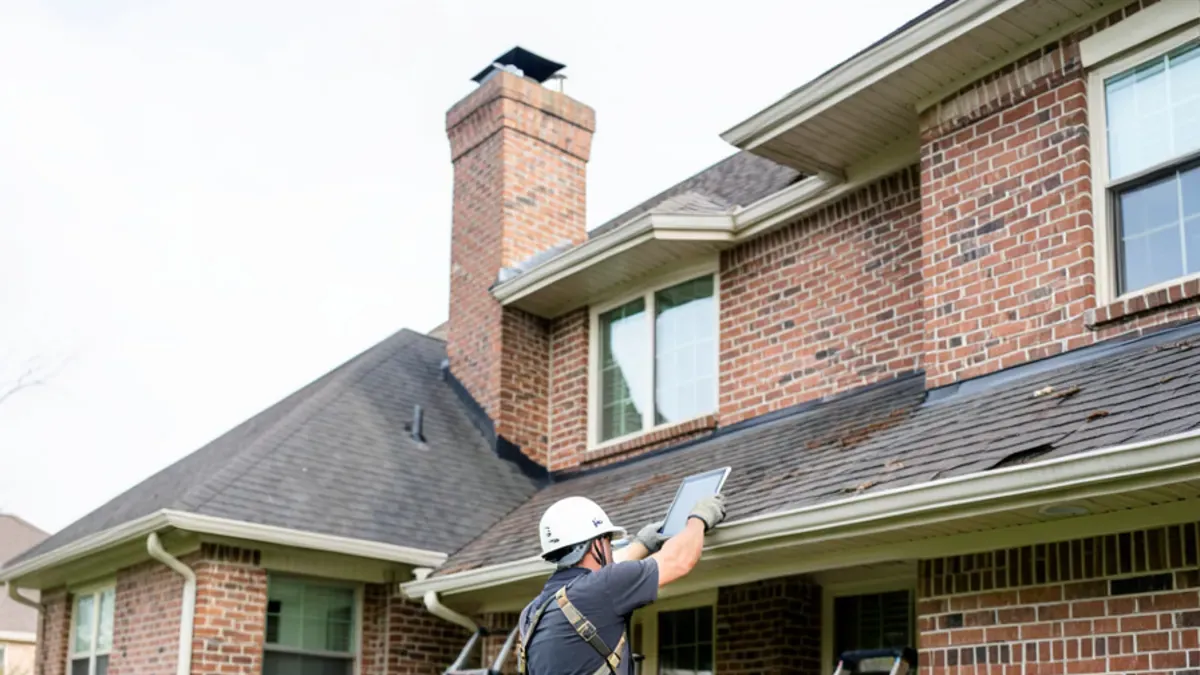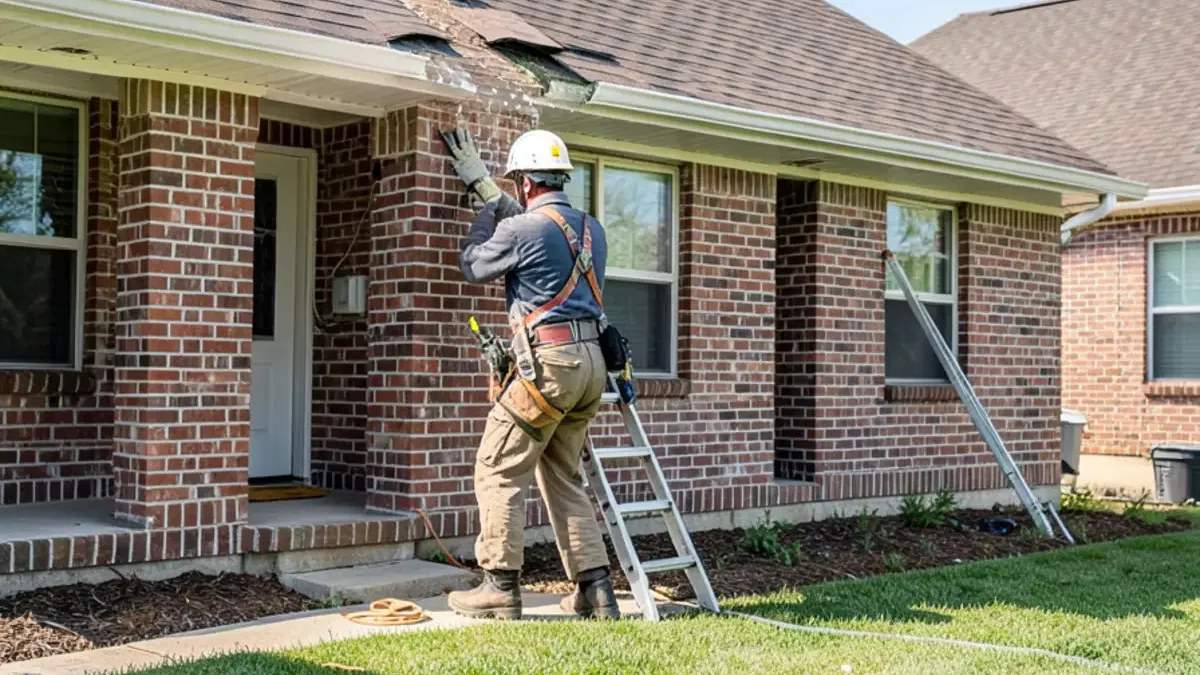
When a ceiling stain shows up in a corner where two rooflines meet, the valley above it is the first suspect. Valley work is a specialized part of our roof repair service in Irving, because the valley has to handle more water than anywhere else on the roof and cannot be fixed by patching the surface.
Roof valley leak causes we see around Irving
A valley takes the runoff of two slopes and concentrates it into one narrow channel. Most valley leaks we trace come from one of these:
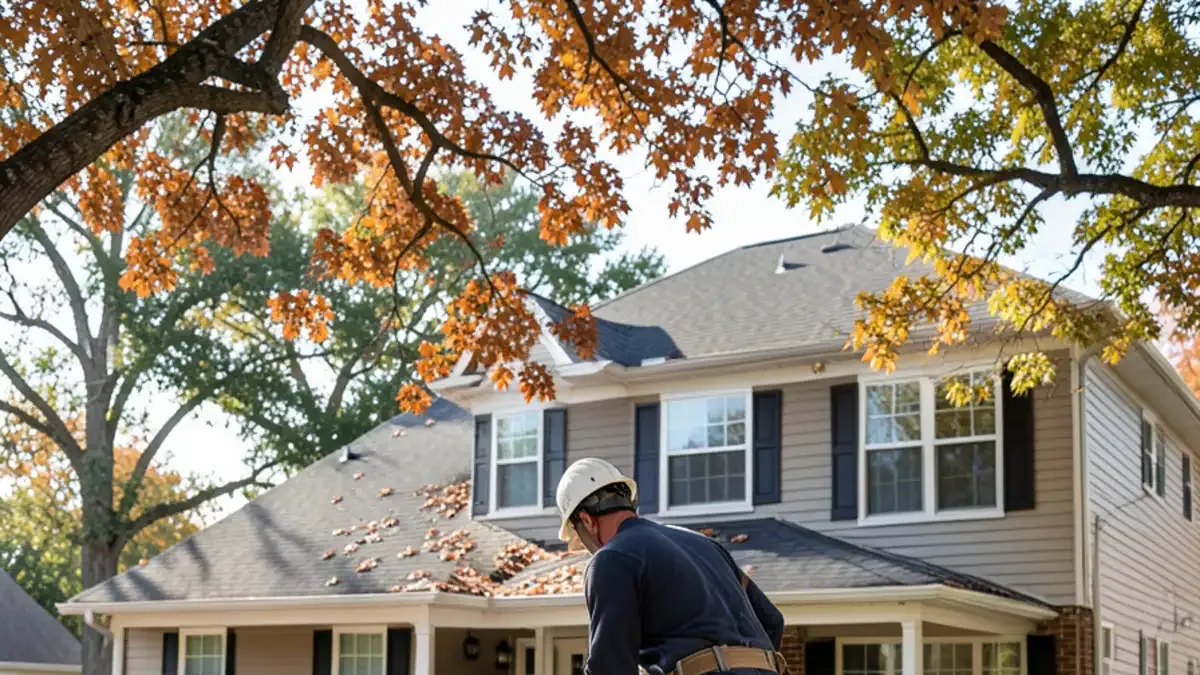
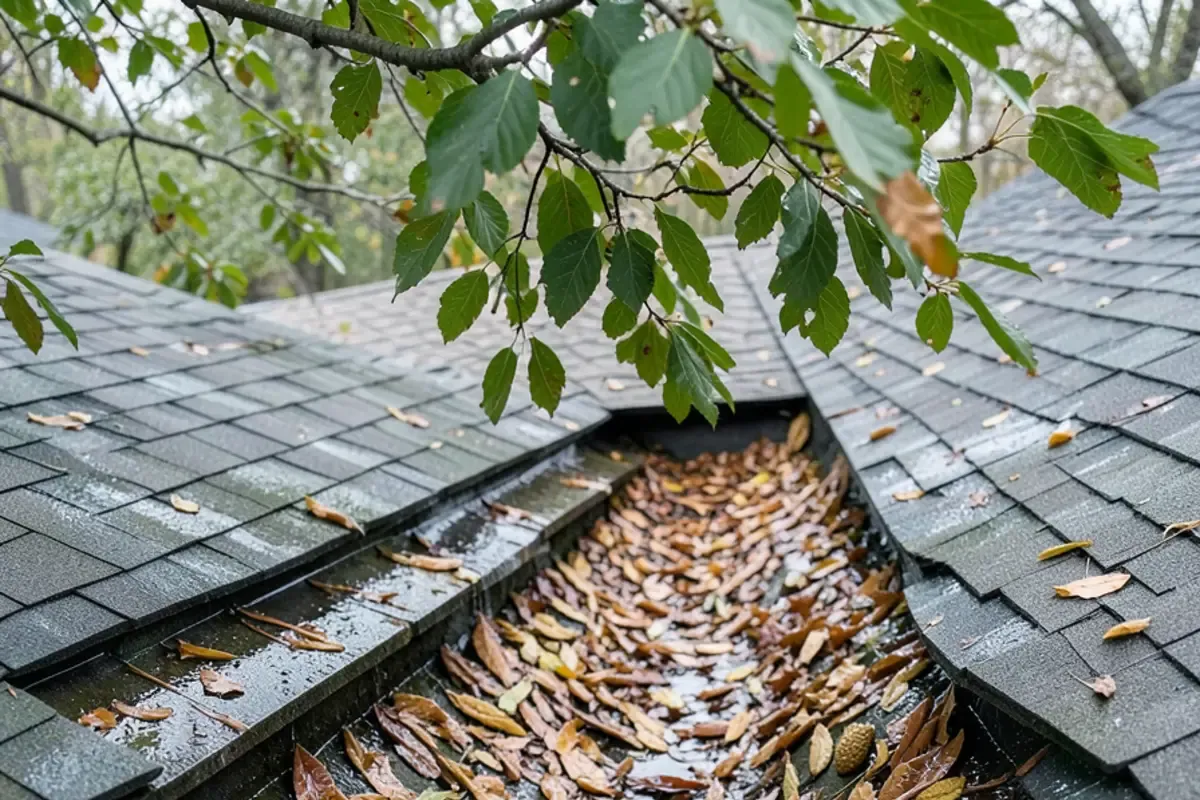
- Debris dams. Older Irving neighborhoods are full of mature live oaks, post oaks and pecans. Leaves, husks and twigs settle in valleys, hold water against the shingles and push runoff sideways under their edges.
- Nails too close to the center. If a shingle was nailed near the valley line, every hard rain runs right over the nail hole.
- Short or badly cut shingles. In a closed-cut valley, a shingle trimmed too short or without its upper corner clipped lets water run back along its top edge.
- Worn or missing underlayment. Many older roofs have only standard felt under the valley, which eventually deteriorates.
- Hail and freeze damage. Hail strikes and the ice of storms like Winter Storm Uri in February 2021 crack shingles and open gaps that the next downpour finds.
May brings Irving's heaviest rainfall, and a single spring cell can drop more water through a valley in an hour than a slope sees in a week of drizzle. That is why valley leaks often appear only in big storms. Water also travels along rafters and decking before it shows, so the stain inside can sit a few feet from the actual valley failure.
Closed-cut, woven or open metal: which valley do you have?
Knowing your valley type tells us how it was built and how to rebuild it:
- Closed-cut valley. Shingles from one slope run through the valley; the other slope's shingles are cut in a straight line a couple of inches off center. Common on architectural shingle roofs.
- Woven valley. Shingles from both slopes interlace across the valley. More common with older 3-tab shingles; laminated architectural shingles do not weave well.
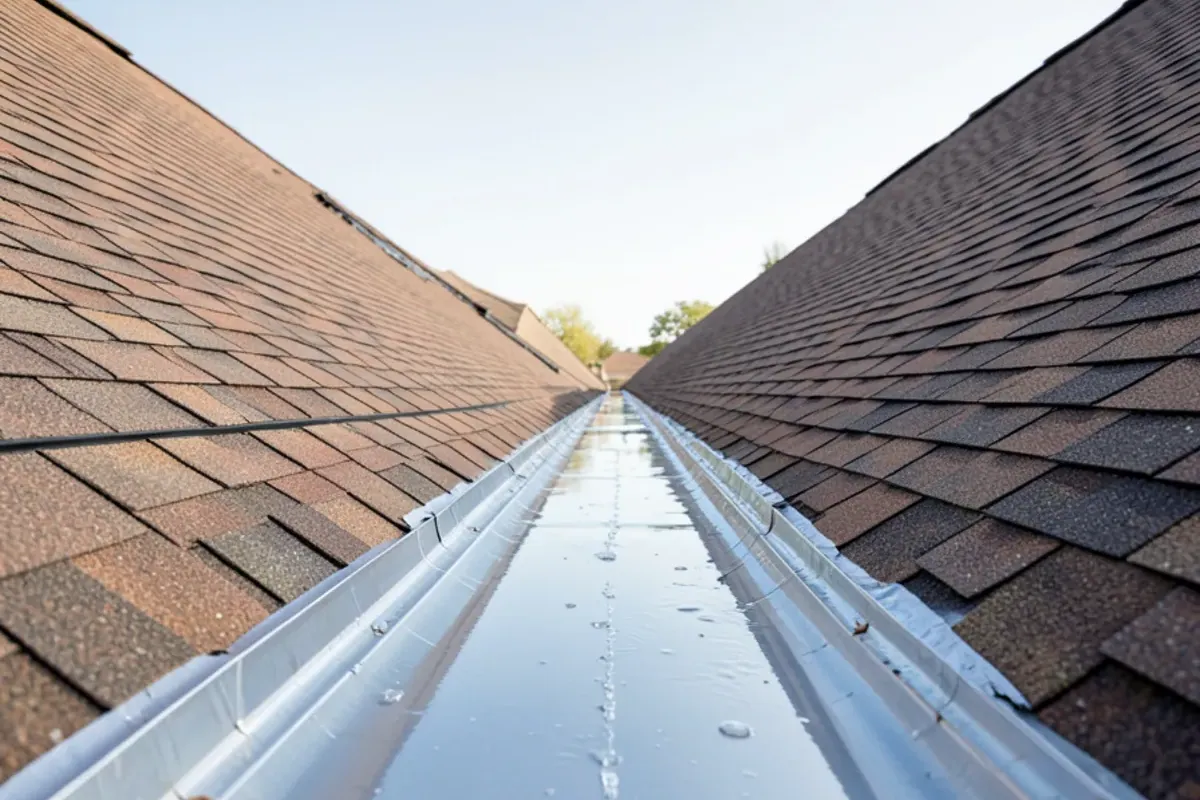
- Open metal valley. A strip of metal valley flashing stays exposed down the center, with shingles cut back on both sides. It sheds water and debris quickly and is easy to keep clean.
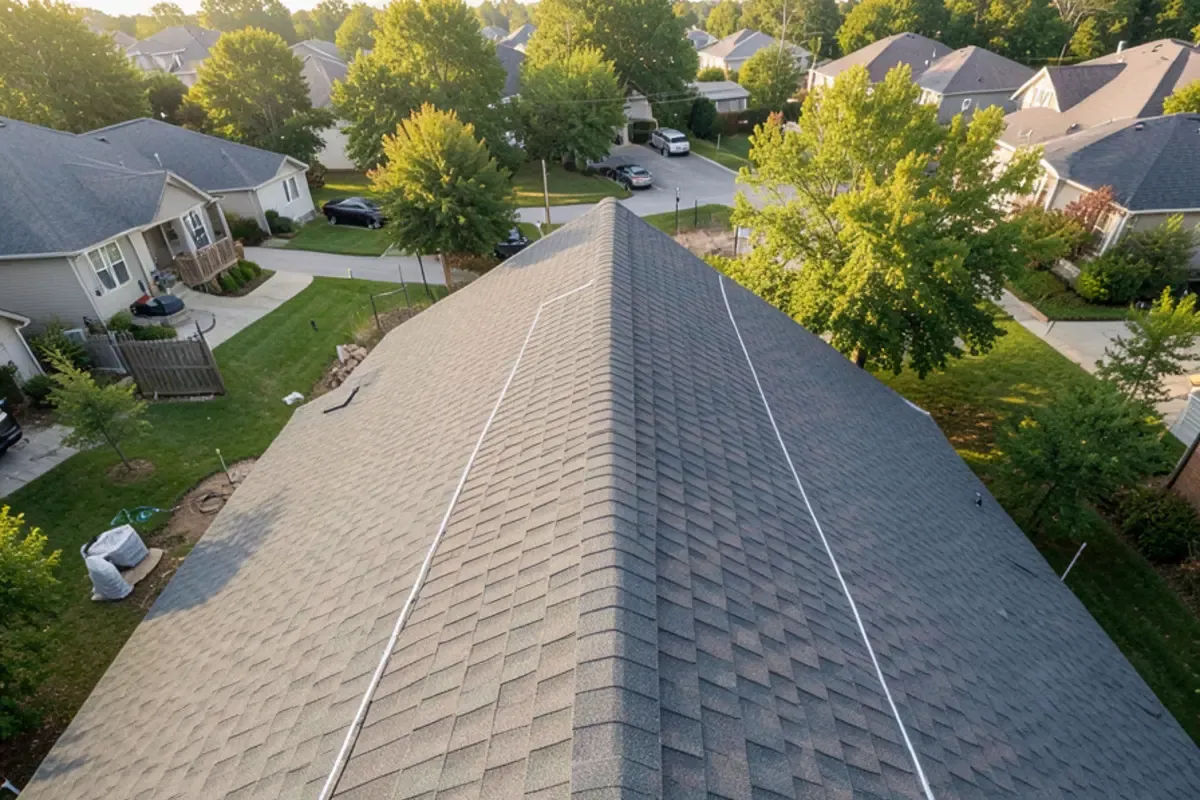
How we handle valley leak repair, start to finish
- Inspect above and below. We check the valley surface and, where accessible, the attic beneath it for wet or rotten decking, and photograph both.
- Free written estimate. The scope says how far we will open the roof on each side and which valley style we will install.
- Strip the valley and repair the deck. Shingles and old underlayment come off along the valley and a short distance up each slope, and any soft or delaminated decking is cut out and replaced.
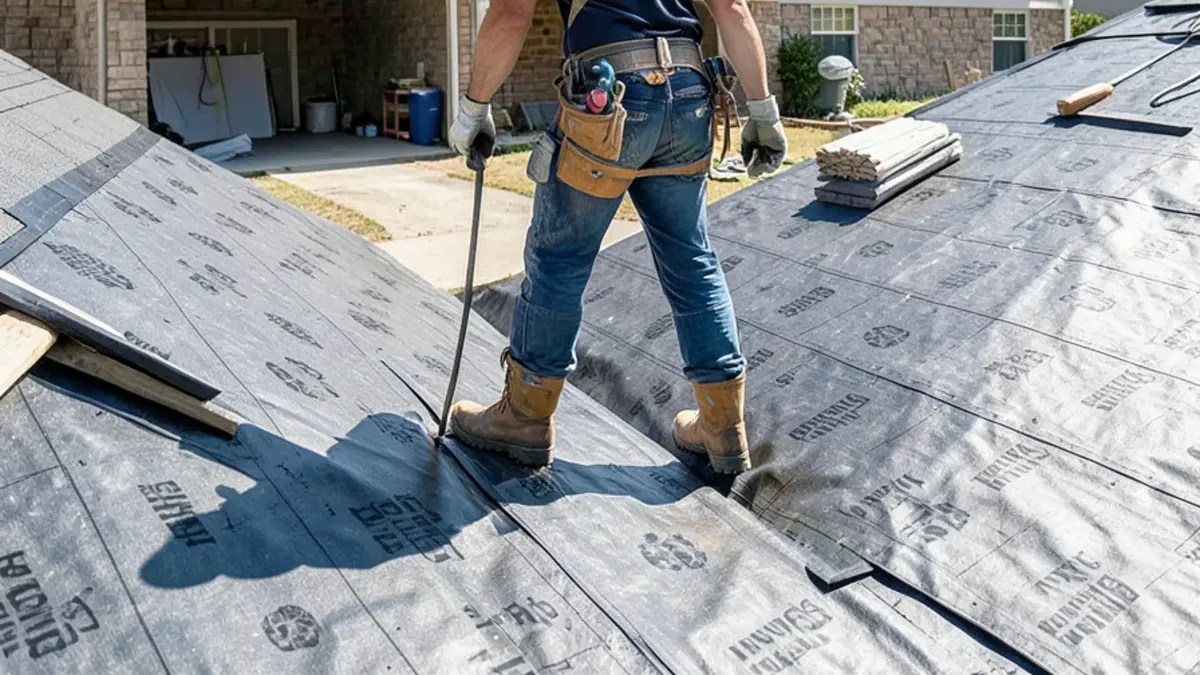
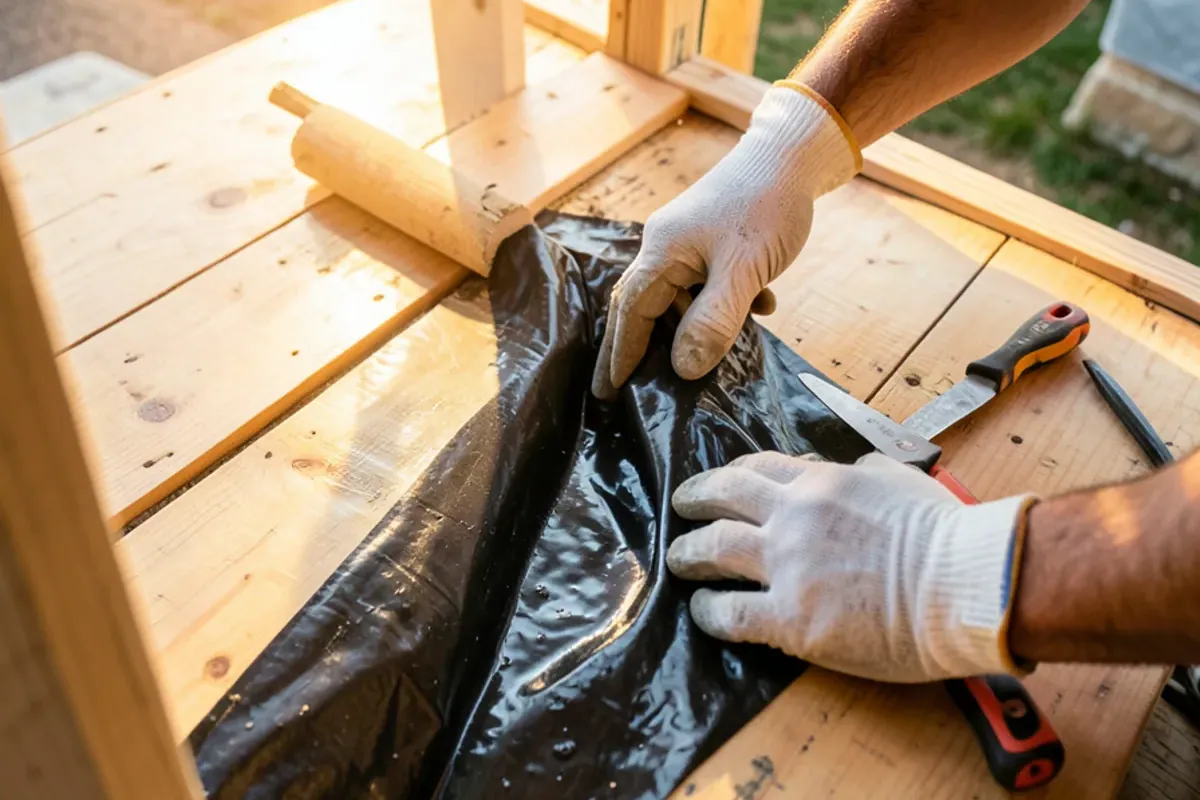
- Line it. A full-width strip of self-adhering ice-and-water underlayment goes down the center, lapped correctly at any seams.
- Install the valley. We lay valley metal for an open valley, or run and cut the shingles for a closed one, keeping nails well away from the center.
- Re-shingle, seal and photograph. New shingles tie the valley back into both slopes, upper corners of cut shingles are clipped and sealed, debris and old material leave with us, and you get photos of each layer.
Questions about roof valley repair? Talk to us.
Call for a free inspection and a written estimate. Hablamos español.
- 5.0 on Google (33 reviews)
- Free inspections & estimates
- Se habla español
- Workmanship guaranteed in writing with every contract
What a valley rebuild includes
Valley leaks are rarely fixed by working on the surface, so our scope always goes down to the wood. The aim is a valley that would pass if it were brand new: lined, fastened outside the water path and finished with clean cut lines. The written scope covers:
- Removal of shingles and underlayment along the full length of the leaking valley
- Replacement of rotted or soft decking
- New self-adhering underlayment along the valley
- Metal valley flashing or a correctly cut and sealed closed valley
- Matched shingles where the strip ties back into each slope
- Clearing of leaves and debris from the valley and nearby gutters, cleanup and photos
We also talk through style. A closed-cut valley matches the look of the rest of an architectural shingle roof, but concentrated runoff wears granules off the shingles that run through it. An open metal valley sheds water and leaves faster and lets you see its condition from a ladder, which suits homes under big trees. When a valley has leaked more than once, the original style or nailing is usually part of the reason.
What sets the cost of a valley repair?
Length and steepness first: a long valley on a steep two-story roof takes more material and more safety setup than a short one over a porch. After that, the amount of rotten decking, the shingle line you need matched, whether the valley meets a wall or chimney that also needs flashing work, and the valley style you choose. Since only the valley strip gets opened, the job usually stays small. The estimate costs nothing and arrives in writing before any work.
Two more factors are worth knowing. Open metal valleys add a material line for the metal itself but can save on future cleaning; closed-cut valleys use shingles you already need. And a leak that has run for several storm seasons usually means more decking and sometimes ceiling drywall below, which is interior work outside our scope. Fixing a valley leak early keeps the repair to the roof alone. On 1980s roofs, discontinued shingle colors can make matching the hardest part, and the estimate says how close we expect to get.
Why RJ Premium Roofing for valley work
- We rebuild the valley from the deck, so the fix does not depend on surface sealant.
- The inspection and the estimate are both free, with photos of what we found.
- Our Google listing sits at 5.0 stars on 33 reviews (November 2026), and reviewers mention clear communication at every step.
- We answer in Spanish or English; para reparación de limahoya, le explicamos todo en español.
- If a storm caused the damage, our dated photos of each layer are ready for your claim file.
You get our guaranteed workmanship on the valley rebuild, with the guarantee written into your contract, and the underlayment, metal and shingles keep their own manufacturer warranties.
Does a roof valley repair need a permit in Irving?
Often not, but measure first. Irving lets roof repairs skip the re-roof permit when they total no more than 100 square feet, per the city's handout for homeowners. A short porch valley stays well under that; a 30-foot valley opened a few feet up each slope can pass it, and then a permit and final inspection apply. Local contractors also describe a "25% rule" that can require a slope to be replaced once a quarter of it is repaired within 12 months; Irving Inspections at (972) 721-2371 can confirm how it applies to your slope. The International Residential Code, in effect in Irving in its 2024 edition, requires valleys to be lined, which is why every rebuild we do includes valley lining.
A word on rules: no state agency licenses roofers in Texas, and TDLR has no roofing license. Each city handles contractor registration and permits; Irving's registration renews annually, and other cities have their own requirements.
Valley repair in Coppell, Grapevine, Colleyville and Irving
Heavily treed neighborhoods are where valley trouble is most likely. From Irving (see the roofing contractor in Irving, TX page for our home city), we rebuild valleys in Coppell, Grapevine and Colleyville, among other nearby cities. Not sure the valley is the culprit? A free roof inspection will find it, and periodic roof maintenance keeps valleys clear of the debris that causes most of these leaks.