
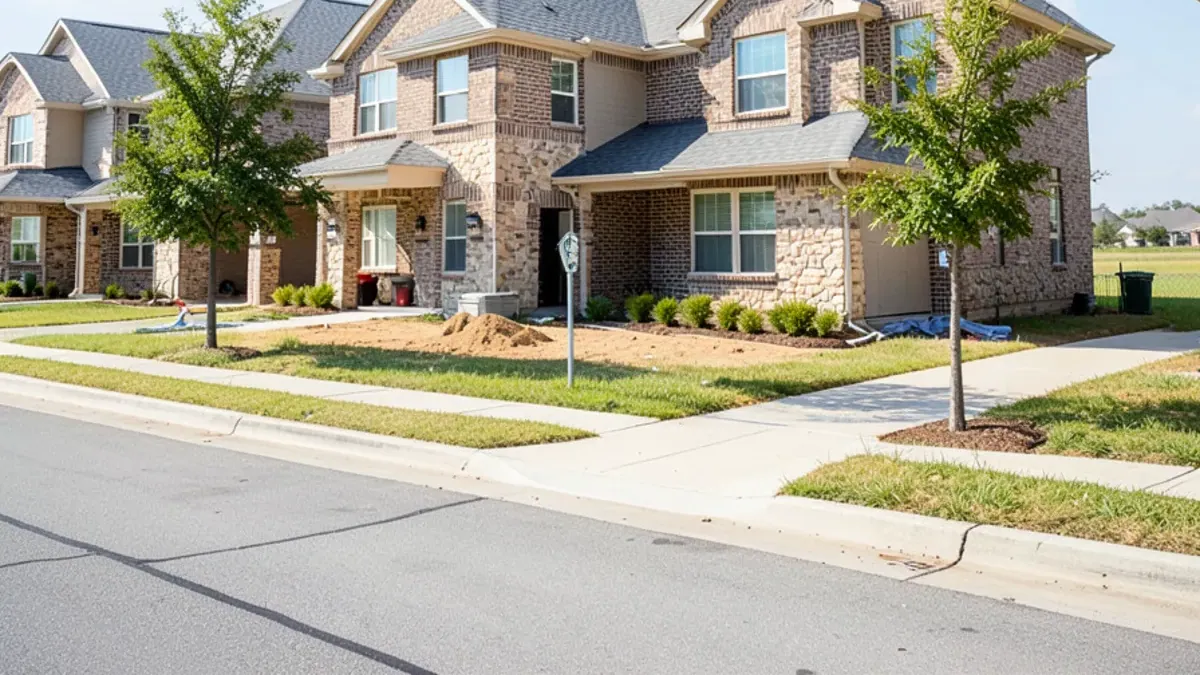
Collin County grew later and faster than most of North Texas, and its roofs show it. Plano is about 40 minutes up the Bush Turnpike from Irving; McKinney, the county seat, is roughly 50 minutes and 37 miles. Plano boomed in the 1970s and 80s, Frisco and Allen filled in through the 2000s, and towns north of US 380 are still pouring slabs. One county holds both overdue re-roofs and builder roofs a few years old.
Collin County Roof Replacement in Plano, Allen and Murphy
Plano roof replacement work usually involves homes on their second roof, plus large commercial roofs around Legacy West. Allen roofing and Murphy grew mainly in the 1990s and 2000s, so first-generation roofs there are reaching the end of their run. Frisco roofers see a similar story on homes built between 2000 and 2020. East along SH 78, Wylie roofing still carries the memory of April 11, 2016, when hail up to softball size damaged most of the town.
Blackland Prairie Clay, Open Lots and Hail: Collin County Roof Risks
The county's 1,254,658 residents (2024 estimate) mostly live on the Blackland Prairie, the belt of dark shrink-swell clay that runs from the Red River toward San Antonio. When that clay dries out in August and swells again in a wet spring, slabs shift slightly, and on a roof it shows up as cracked mortar at chimneys, gaps in the step flashing where a wall meets the roof, and the odd nail pop. We check those wall joints on every inspection here, not only the shingles.
Newer subdivisions add their own exposure. North of US 380 and along the Dallas North Tollway, many streets were farmland not long ago, so trees are still young and little breaks the wind across open prairie. Wind works under shingle edges at rakes and ridges, and the first clue is often a few tabs in the yard after a spring front.
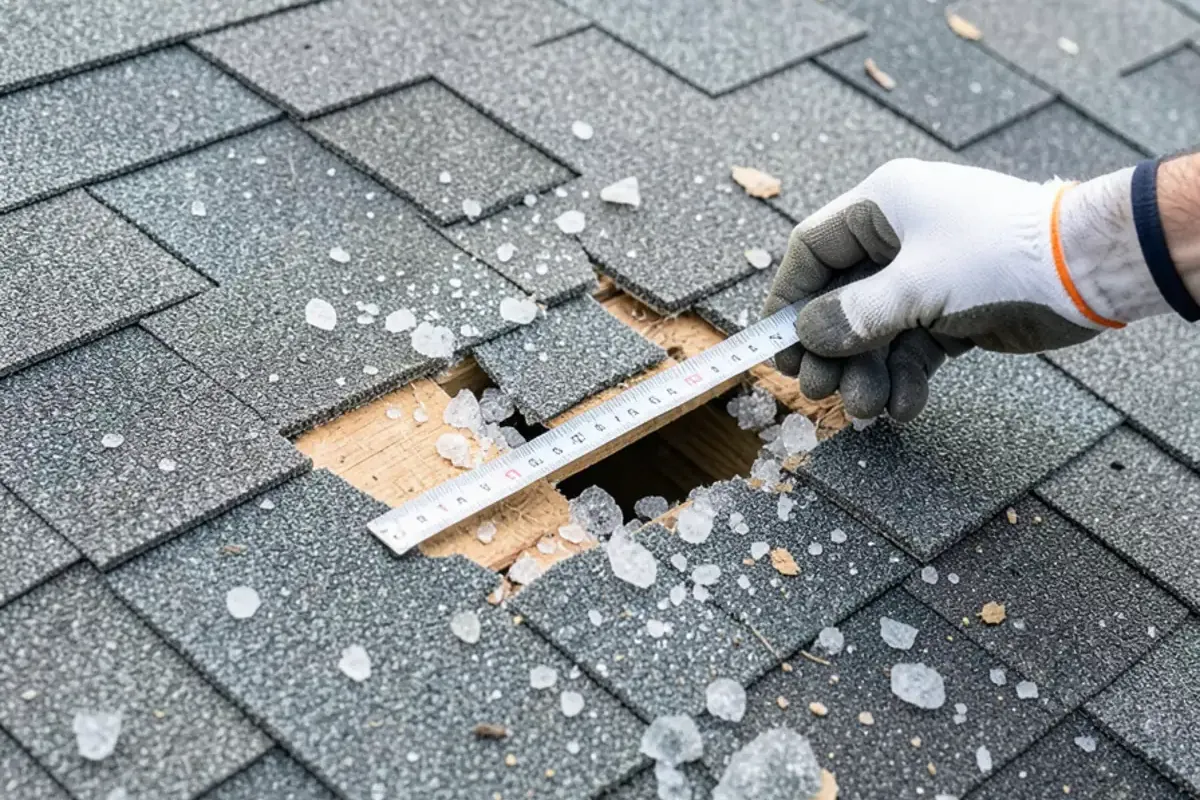
Hail is the third factor. Older Plano roofs shed granules faster with each storm, while builder-grade shingles on a five-year-old roof can bruise without leaking right away, so damage can go unnoticed for a season or two. Many master-planned communities, from Stonebridge Ranch to Craig Ranch, also run HOA architectural reviews, so a shingle color change usually needs written approval before tear-off.
Estates and Outbuildings Around Lavon Lake
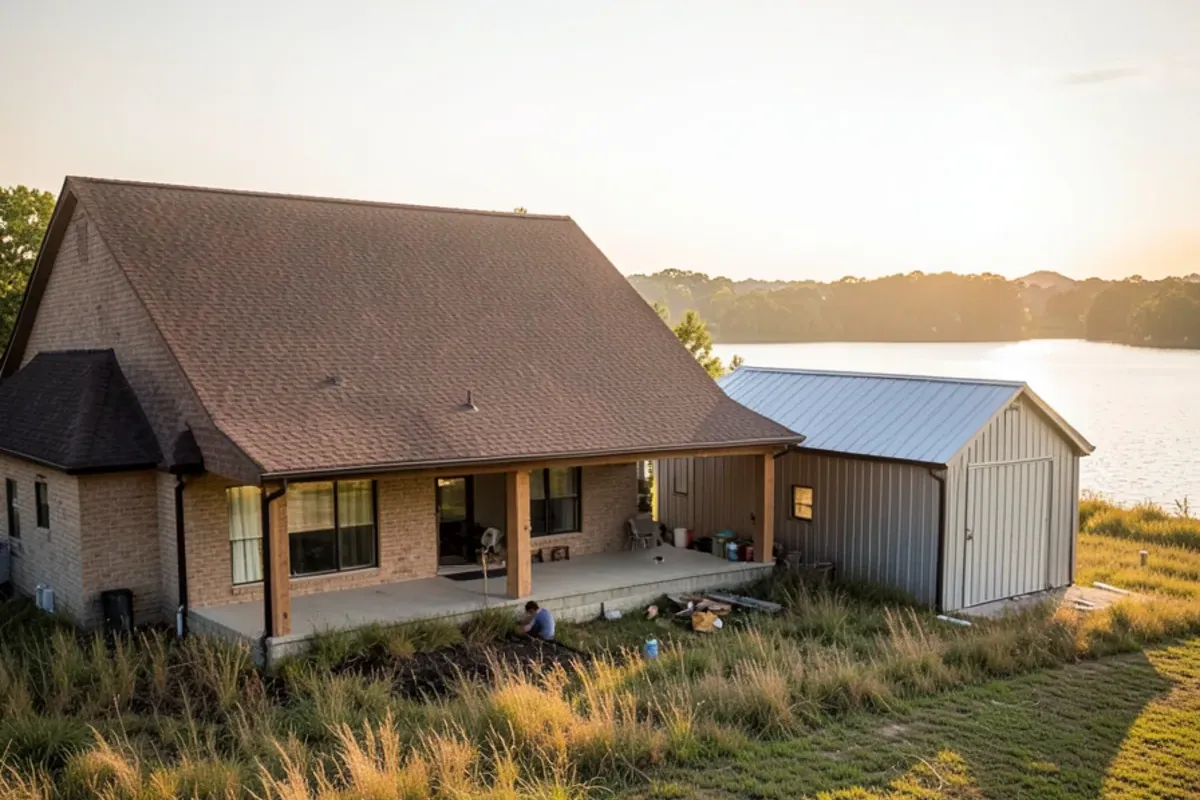
Between US 75 and Lavon Lake the lots get big. Lucas, Parker roofing and Fairview have estate homes with steep, complex roofs and metal barns or shops on the same property. Near the dam, Lavon roof repair calls come from newer subdivisions, and Josephine is adding homes east of the lake.
Roof damage in Collin County? Call us.
Free inspection and estimate, explained in English or Spanish.
- 5.0 on Google (33 reviews)
- Free inspections & estimates
- Se habla español
- Workmanship guaranteed in writing with every contract
Roof Inspection for New Construction North of the Sam Rayburn Tollway
McKinney roofing ranges from 1880s–1920s homes near the historic square to 2000s roofs in Craig Ranch and Stonebridge Ranch. Farther north, Prosper, Celina roof inspections, Princeton, Melissa roofing and Anna, close to 70 minutes from Irving, are mostly 2010s–2020s builds. Those roofs are young, but young roofs still take hail, and early leaks often trace back to flashing or vent details rather than the shingles.
Roofing Services Collin County Owners Ask Us For
The cards below match what Collin County roofs need most: storm documentation on the east side, first replacements in Allen and Murphy, outbuilding roofs on the Lucas and Parker estates, and flat-roof care for the office and retail buildings along US 75.
Working With a Roofing Contractor in Collin County, TX
Booking starts with a call to (725) 745-8803. From Irving we head east on the President George Bush Turnpike and then north on US 75 or the Dallas North Tollway, so Plano, Murphy and Allen are the shortest trips and Celina, Anna and Princeton the longest. On site we walk every slope, check the flashing at walls and chimneys, look into the attic where we can reach it, and photograph what we find. After the free inspection we go over the photos with you in English or Spanish.
If hail is the issue, our hail damage roof repair process documents every hit for your claim and we can meet your adjuster on the roof. Permits and contractor registration are handled city by city, so check with your city's building department before any re-roof; McKinney, Plano, Frisco and Allen each run their own inspections. If you are outside city limits, ask Collin County what applies to your property before work is scheduled.
Roofing services we bring to Collin County
Hail Damage Roof Repair
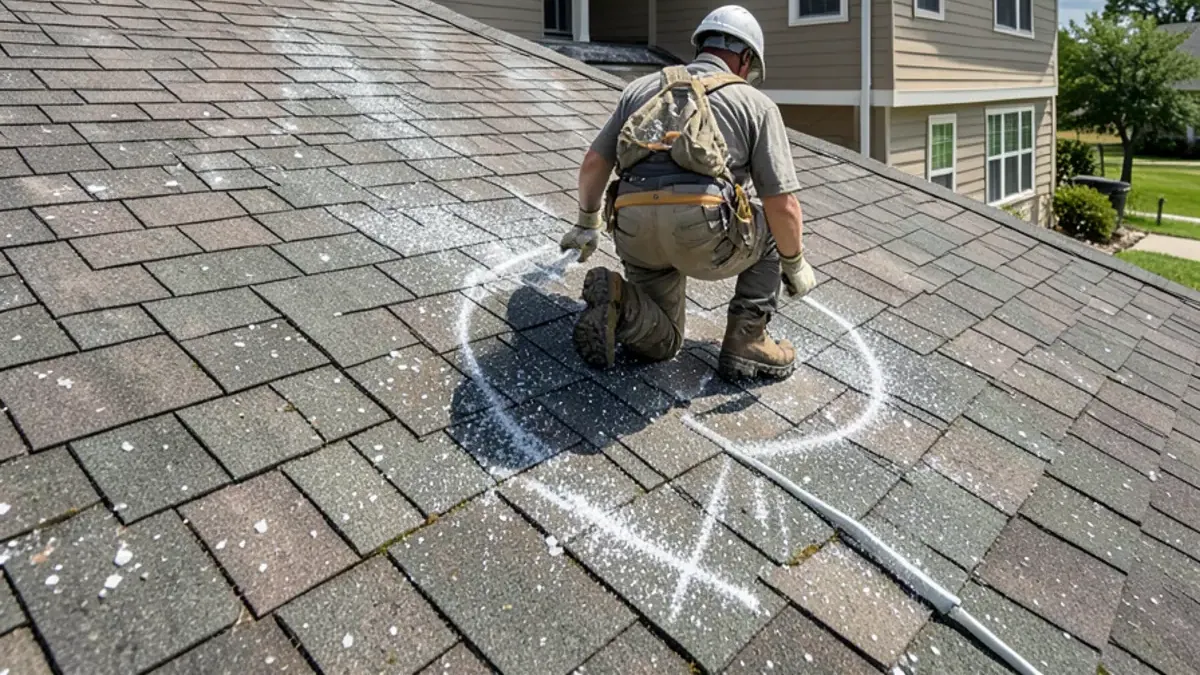
The April 11, 2016 Wylie storm dropped hail up to softball size on the county's east side, and Collin County sees damaging hail most springs. We chalk and photograph every hit before a repair is priced.
Learn more →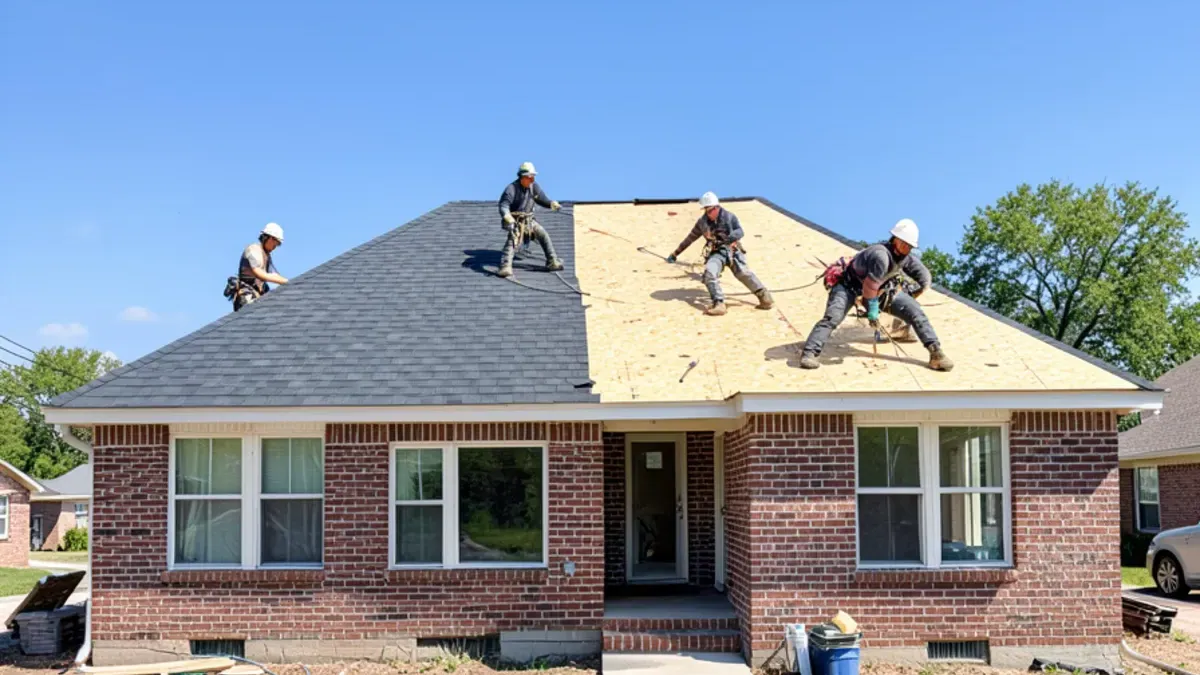
Roof Replacement
Plano's 1970s and 1980s homes are on their second roofs, while the 1990s and 2000s builds in Allen and Murphy are reaching first replacement. We quote tear-off to the decking with code items listed separately.
Learn more →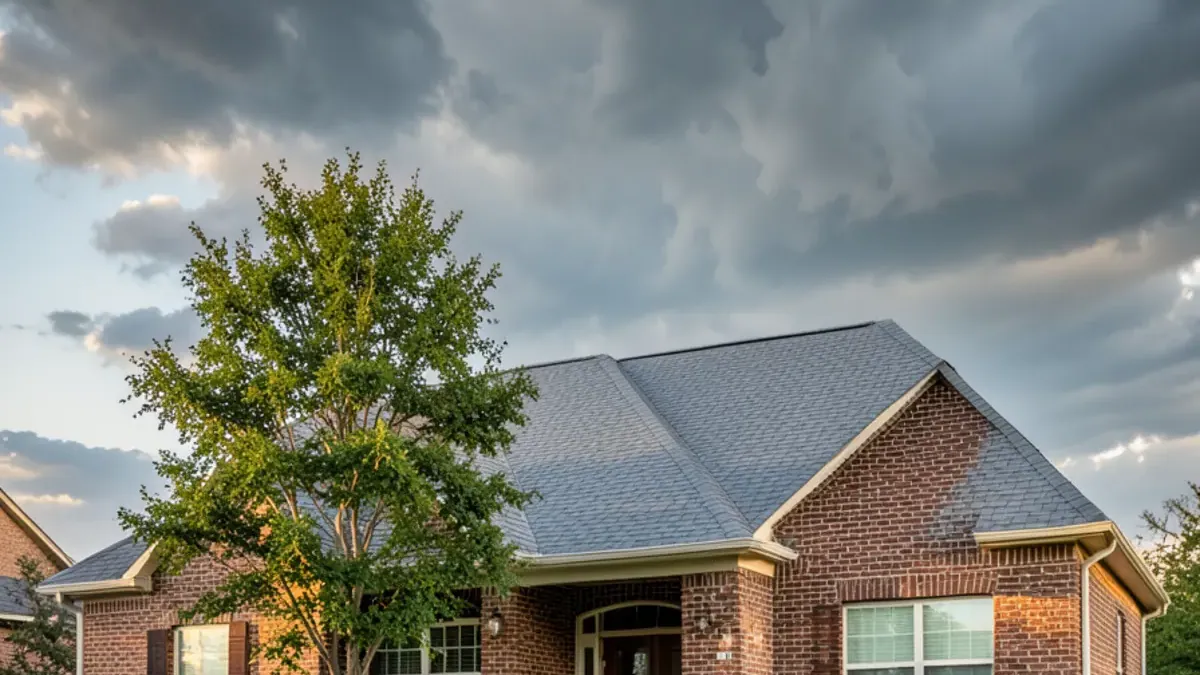
Class 4 Impact-Resistant Shingles
Owners re-roofing after a Collin County hailstorm often price UL 2218 Class 4 shingles. Ask your insurer whether it discounts them, and your HOA whether the color is approved, before material is ordered.
Learn more →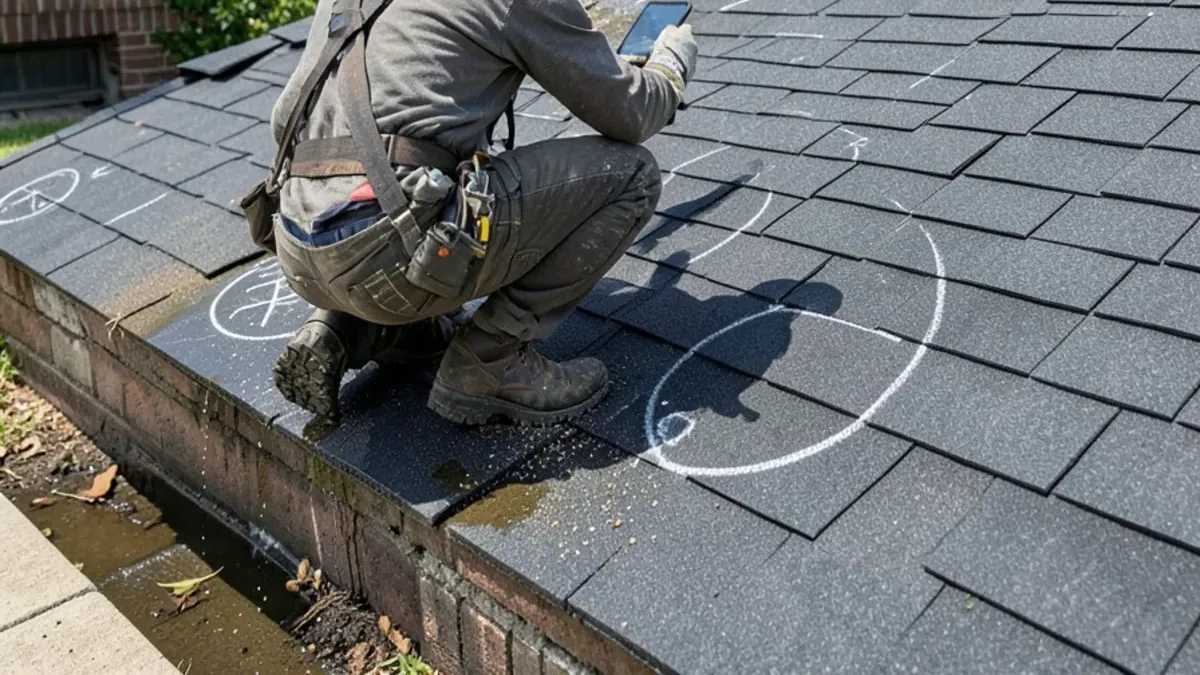
Roof Insurance Claims
Newer homes north of US 380 may still carry builder warranty papers, so we document storm damage separately from installation issues and help you sort out whether to call your insurer, the builder or both.
Learn more →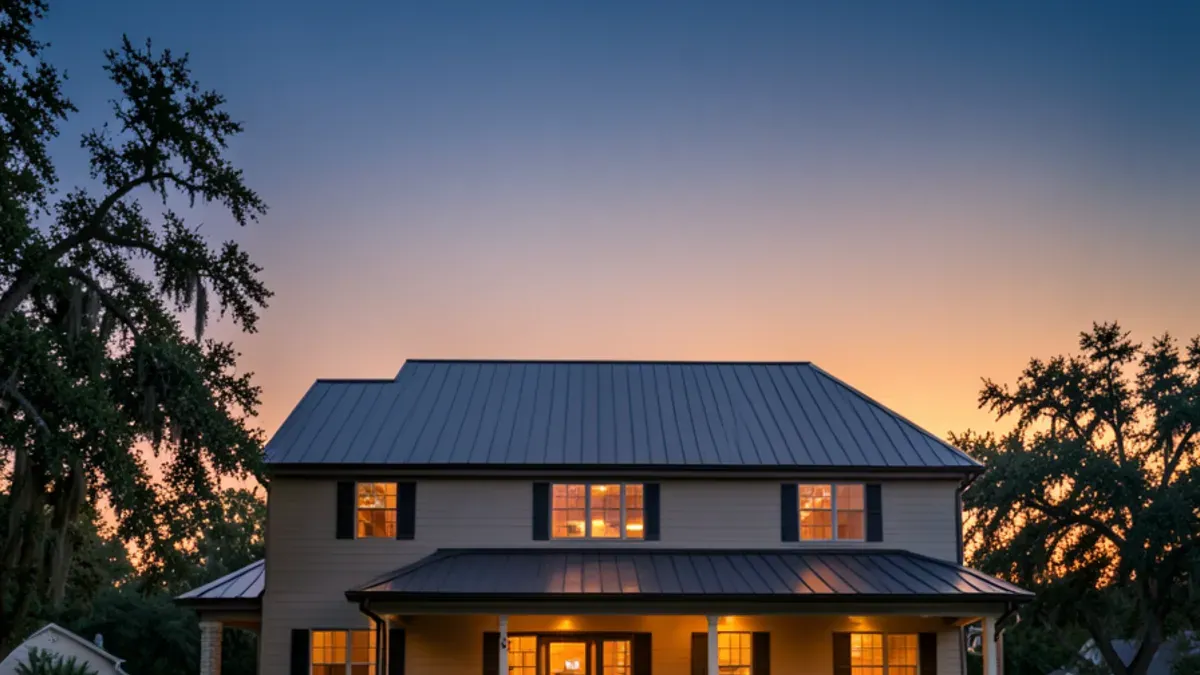
Metal Roofing
Estates in Lucas and Parker often pair a shingled house with a metal barn or shop. We can look at both roofs on one visit, checking panel fasteners, ridge closures and hail dents on the outbuilding.
Learn more →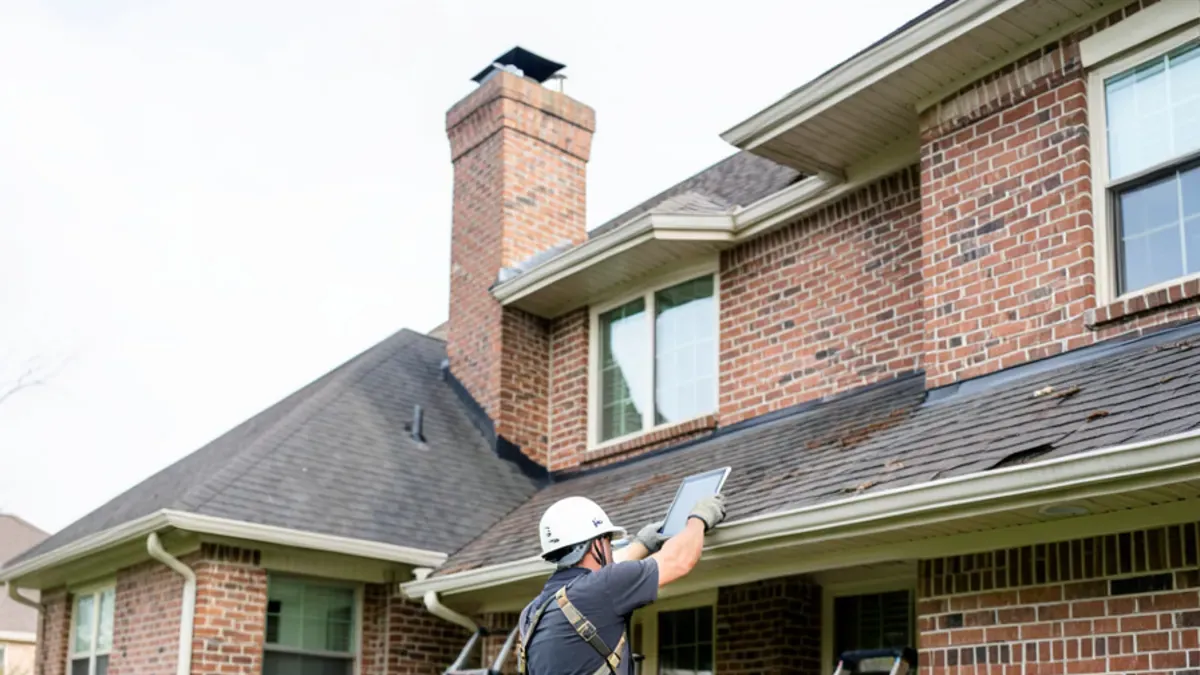
Free Roof Inspection
Young roofs in Prosper, Celina and Anna can leak at step flashing or pipe boots long before the shingles wear out. An inspection finds those details early, while the fix is still small and cheap.
Learn more →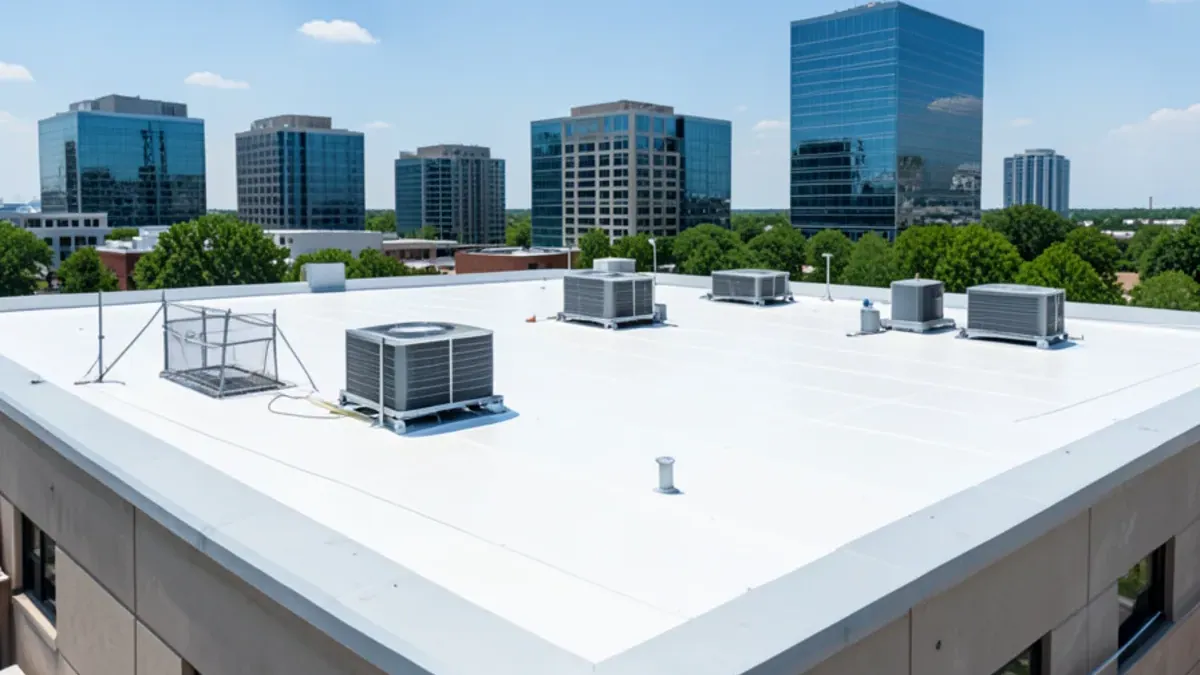
Commercial Roofing
Legacy West offices and the shopping centers along US 75 and SH 121 sit under large flat and low-slope roofs, where split seams, ponding water and loose flashing at rooftop units cause most leaks.
Learn more →